26 citations
,
October 2019 in “JNCI Cancer Spectrum” Talazoparib is more effective than standard chemotherapy for advanced breast cancer with BRCA mutations.
9 citations
,
April 2010 in “Lung cancer” Combining gemcitabine with paclitaxel is more effective than with pemetrexed for advanced lung cancer.
June 2025 in “British Journal of Dermatology” Tofacitinib was more effective than methotrexate for treating alopecia areata.
April 2026 in “UNC Libraries” Pulsed electric field treatment may help shrink untreated liver tumors.
 13 citations
,
November 2021 in “Pediatric Dermatology”
13 citations
,
November 2021 in “Pediatric Dermatology” Tofacitinib taken by mouth helps treat hair loss in children.
37 citations
,
October 2014 in “JAMA dermatology” A woman with severe hair loss was successfully treated with the drug adalimumab.
3 citations
,
July 2022 in “European Journal of Dermatology” Brodalumab is more effective than ustekinumab for treating psoriasis.
June 2025 in “British Journal of Dermatology” Tofacitinib is more effective than methotrexate for treating moderate-to-severe alopecia areata.
 June 2024 in “Archives of Medical Science”
 Telitacicept effectively improved hair regrowth in a woman with lupus and alopecia.
147 citations
,
October 2021 in “Cancer Communications” RC48 shows promise for treating certain advanced cancers, but more research is needed.
 June 2024 in “ESMO Gastrointestinal Oncology”
 The combination treatment showed a higher response rate but no significant survival benefits.
43 citations
,
November 2009 in “Archives of dermatology” Alefacept does not effectively treat severe alopecia areata.
 2 citations
,
July 2007 in “Cancer biology & therapy”
2 citations
,
July 2007 in “Cancer biology & therapy” Bexxar is highly effective as a first treatment for non-Hodgkin's lymphoma, with most patients alive and many in remission after eight years.
1 citations
,
November 2024 in “Neuro-Oncology” Temozolomide can cause severe bone marrow suppression, leading to life-threatening complications.
1 citations
,
April 2023 in “Heliyon” Disitamab vedotin and gemcitabine effectively treated bladder cancer without major side effects.
November 2025 in “Skin Appendage Disorders” Immune cell-targeting biologics show potential for treating alopecia areata but need better-targeted therapies.
April 2026 in “Clinical and Translational Science” Tofacitinib effectively treats severe alopecia areata, improving hair regrowth and patient satisfaction.
January 2022 in “SSRN Electronic Journal” Gemcitabine and Disitamab Vedotin effectively and safely reduced bladder cancer in a patient.
 December 2013 in “Nursing2023”
 The FDA approved a new breast cancer treatment, found flu shots may reduce heart risks, questioned the safety of fast-tracked drug approvals, showed statins don't help with certain pneumonia, and approved a new dementia imaging agent.
 June 2024 in “Journal of Clinical Oncology”
 The combination of TACE and Donafenib is effective and tolerable for treating unresectable liver cancer.
June 2026 in “UNC Libraries” Pulsed electric field treatment may help shrink untreated liver tumors.
9 citations
,
April 2024 in “The Oncologist” Sacituzumab govitecan improves quality of life and symptoms in breast cancer patients, except for causing more diarrhea.
 11 citations
,
October 2001 in “Dermatologic Clinics”
11 citations
,
October 2001 in “Dermatologic Clinics” The document concludes that DAB389-IL2 is promising for treating refractory cutaneous T-cell lymphoma, but more research is needed on its effectiveness and side effect management.
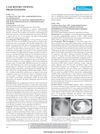 May 2025 in “The Journal of Rheumatology”
 Anti-CD19 therapy may help treat SLE and NMOSD.
 139 citations
,
November 2016 in “Journal of the American Academy of Dermatology”
139 citations
,
November 2016 in “Journal of the American Academy of Dermatology” Tofacitinib helped regrow hair in most adolescents with alopecia areata, but more research is needed.
 August 2018 in “Journal of the American Academy of Dermatology”
 Tofacitinib is a potential alternative treatment for alopecia totalis, especially in patients with a shorter duration of the condition and more preserved hair follicles, but the overall response rate is low.
3 citations
,
April 2020 in “PubMed” Combining DEB-BACE with chemotherapy is more effective and has fewer side effects than chemotherapy alone for treating unresectable lung squamous cell carcinoma.
 January 2024 in “Wiadomości Lekarskie”
 Uveal melanoma is hard to treat when it spreads, but a new drug, tebentafusp, helps patients live longer.
 15 citations
,
November 2020 in “Pharmaceutics”
15 citations
,
November 2020 in “Pharmaceutics” Tofacitinib nanoparticles can safely and effectively treat alopecia areata by targeting hair follicles.
 June 2017 in “Journal of the American Academy of Dermatology”
 Tofacitinib is effective and safe for treating severe alopecia areata and related conditions.