7 citations
,
April 1996 in “Archives of dermatological research” Topical tacalcitol can treat psoriasis by acting directly on skin cells.
1 citations
,
August 2023 in “Journal of Investigative Dermatology” Farudodstat may help treat alopecia areata by protecting hair follicles.
 February 2011 in “Annales de dermatologie et de vénéréologie”
 Tofacitinib shows promise for treating severe alopecia areata with good safety and effectiveness.
 1 citations
,
January 2024 in “Pediatric Endocrinology Diabetes and Metabolism”
1 citations
,
January 2024 in “Pediatric Endocrinology Diabetes and Metabolism” Cinacalcet may help treat hereditary vitamin D resistant rickets safely.
March 2025 in “Revista Foco” Early diagnosis of Alopecia Frontal Fibrosante is crucial for effective treatment.
 9 citations
,
June 2019 in “Archives of Dermatological Research”
9 citations
,
June 2019 in “Archives of Dermatological Research” Both topical calcipotriol and narrowband UVB improved alopecia, but combining them didn't enhance the effect on hair loss severity, despite higher vitamin D3 levels.
159 citations
,
August 2010 in “British journal of dermatology/British journal of dermatology, Supplement” Hydroxychloroquine effectively reduces symptoms of frontal fibrosing alopecia, especially in the first 6 months.
December 2022 in “Scientific Reports” Compound 4 is a promising treatment for hair loss with low toxicity.
 6 citations
,
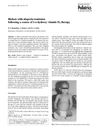
August 1989 in “European journal of pediatrics”
6 citations
,
August 1989 in “European journal of pediatrics” Child with rickets improved with a specific vitamin D therapy, but alopecia did not change.
 August 2021 in “Annals of Agricultural and Environmental Medicine”
 The article concludes that understanding Frontal Fibrosing Alopecia (FFA) is crucial for effective treatment, which includes medication like 5α-reductase inhibitors and hydroxychloroquine.
5 citations
,
April 2025 in “Journal of the European Academy of Dermatology and Venereology” Control inflammation and prevent further hair loss in folliculitis decalvans using medications and therapies.
 July 2025 in “Journal of the European Academy of Dermatology and Venereology”
 A new treatment plan helps manage folliculitis decalvans effectively.
April 2024 in “Journal of clinical medicine” Effective treatment guidelines for frontal fibrosing alopecia are still unclear.
9 citations
,
June 2020 in “Trials” The trial aims to test if spironolactone is an effective acne treatment for women without the side effects of current treatments.
 3 citations
,
November 2020 in “Clinical, Cosmetic and Investigational Dermatology”
3 citations
,
November 2020 in “Clinical, Cosmetic and Investigational Dermatology” Early diagnosis and combination therapy, especially with finasteride and dutasteride, are key to managing Frontal Fibrosing Alopecia effectively.
 2 citations
,
November 2021 in “ACG Case Reports Journal”
2 citations
,
November 2021 in “ACG Case Reports Journal” Tofacitinib successfully treated hair loss in a Crohn's disease patient who previously used adalimumab.
54 citations
,
November 2007 in “Actas Dermo-Sifiliográficas” Early diagnosis of frontal fibrosing alopecia is crucial to prevent permanent hair loss.
9 citations
,
January 2019 in “International Journal of Trichology” Combining calcipotriol with mometasone is more effective for treating alopecia areata than using mometasone alone.
April 2019 in “Journal of Investigative Dermatology” Frontal Fibrosing Alopecia involves disrupted cholesterol pathways, fibrosis, and increased mast cells.
2 citations
,
March 2019 in “PubMed” Fusidic acid successfully treated a rare scalp infection with hair regrowth and no recurrence after 6 months.
3 citations
,
April 2025 in “International Journal of Pharmaceutics” Nanocrystals improve alopecia areata treatment by better targeting hair follicles.
4 citations
,
April 2019 in “DOAJ (DOAJ: Directory of Open Access Journals)” 5-α-reductase inhibitors, intralesional steroids, and hydroxychloroquine are the most effective treatments for frontal fibrosing alopecia.
4 citations
,
June 2017 in “Annales de dermatologie et de vénéréologie” The study found that a specific type of hair loss is increasingly common in premenopausal women and can be effectively diagnosed and treated with various medications.
1 citations
,
September 2021 in “Dermatologic Therapy” AC5 improves hair loss and hair quality with high satisfaction rates.
31 citations
,
February 1972 in “Experientia” The diphosphonate was the most effective at preventing calcification in rats.
26 citations
,
October 2017 in “PubMed” Isotretinoin and acitretin may effectively stabilize the hairline in patients with frontal fibrosing alopecia.
 41 citations
,
December 2015 in “JAMA Dermatology”
41 citations
,
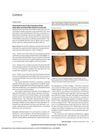
December 2015 in “JAMA Dermatology” Tofacitinib citrate improved nail dystrophy and pain in patients with alopecia universalis without causing side effects.
January 2012 in “Chinese Clinical Oncology” Disodium folinate can safely and effectively replace calcium folinate in colorectal cancer treatment.
January 2007 in “Frontiers in Medicine” Tofacitinib works well for treating alopecia areata, especially when combined with corticosteroids, but is less effective if the disease has lasted over 2 years.
February 2025 in “Canadian Journal of Health Technologies” Baricitinib is effective and cost-efficient for treating severe alopecia areata in adults.