Search
for
Sort by
Research
630-660 / 1000+ resultsresearch Finasteride/minoxidil
research P123 : Oral Janus kinase inhibitors for the treatment of alopecia areata: a systematic review and metaanalysis
Both tofacitinib and ruxolitinib are effective and tolerable for treating alopecia areata.
research Efficacy and Safety of Ritlecitinib in Alopecia Areata: A Systematic Review and Meta-Analysis (Preprint)
Ritlecitinib improves hair regrowth in alopecia areata without increasing adverse risks.
research Distribution of SALT Scores with Ritlecitinib Treatment up to 24 months from the ALLEGRO Phase 2b/3 and Long-Term Phase 3 Clinical Studies in Alopecia Areata
Ritlecitinib effectively reduces severe hair loss in alopecia areata over 24 months.
research A combination of low-dose systemic etretinate and topical calcipotriol/betamethasone dipropionate treatment for hyperkeratosis and itching in Olmsted syndrome associated with a TRPV3 mutation
The combined treatment effectively managed severe skin issues in Olmsted syndrome.
research Finasteride nano-transferosomal gel formula for management of androgenetic alopecia: ex vivo investigational approach
NTF gel improves finasteride delivery for hair loss treatment, reducing side effects.
research NEFAZODONE
research Qual o papel dos inibidores da 5α-redutase no tratamento da alopecia androgenética? Uma revisão baseada na evidência
5α-reductase inhibitors are effective for treating hair loss in androgenetic alopecia.
research Comparison of Safety and Efficacy of Topical Mometasone 0.1% Ointment, Calcipotriol 0.005% Ointment, and Tacrolimus 0.1% Ointment in Patients with Localized Alopecia Areata: A Triple-Arm Randomized Clinical Study
Calcipotriol is the safest and most effective for hair regrowth in localized alopecia areata.
research A reasonable Response to Diphensiprone in Pediatric Alopecia Patient: A Case Report
Topical diphencyprone effectively treated a 9-year-old boy's alopecia areata with fewer side effects.
research 67 Patterns of clinical response in patients with alopecia areata (AA) treated with ritlecitinib in the ALLEGRO phase 2b/3 and ongoing, phase 3, ALLEGRO-LT studies
Over 45% of patients with alopecia areata benefit from ritlecitinib, mostly within a year.
research Novedades terapéuticas en tricología
Recent advances in hair loss treatments show significant progress.
research Topical fluocinolone acetonide acetate ointment in autosomal dominant congenital hypotrichosis
A hair growth ointment improved hair length in a family with a genetic hair growth condition.
research The manipulation of the cedrol metabolism pathway by baricitinib and its immune interaction mechanism against chemotherapy-induced alopecia
research Alopecia fibrosante frontal
Frontal fibrosing alopecia causes hairline recession and eyebrow loss in postmenopausal women.
research A comparison between flutamide and finasteride plus flutamide combination in the treatment of hirsutism
Flutamide alone is as effective as the combination with finasteride for treating hirsutism.
research 378 Treatment of severe alopecia areata with the oral Janus kinase inhibitor, tofacitinib: A retrospective chart review
Tofacitinib may help regrow hair in severe alopecia areata, but results differ greatly between people.
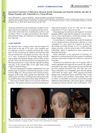
research Successful Treatment of Refractory Alopecia Areata Universalis and Psoriatic Arthritis, But Not of Plaque Psoriasis with Tofacitinib in a Young Woman
Tofacitinib helped a young woman's severe hair loss and arthritis but not her plaque psoriasis.
research Sustained hair regrowth with continued ritlecitinib treatment through week 48 in patients with alopecia areata with or without early target responses: Post hoc analysis of the ALLEGRO phase 2b/3 trial
Continued ritlecitinib treatment helps sustain hair regrowth in alopecia areata patients.
research Flutamide was more effective than finasteride for idiopathic hirsutism
Flutamide worked better than finasteride for reducing excessive hair growth in women, but had more side effects.
research Frontal fibrosing alopecia
Hormonal imbalances may play a role in frontal fibrosing alopecia, and antiandrogenic drugs combined with steroids are currently the most effective treatment.
research Topical Delivery of Tofacitinib in Dermatology: The Promise of a Novel Therapeutic Class Using Biodegradable Dendritic Polyglycerol Sulfates
A new carrier improves skin delivery of tofacitinib for treating inflammatory skin diseases.
research Novel ALK5 inhibitor TP0427736 reduces TGF-β induced growth inhibition in human outer root sheath cells and elongates anagen phase in mouse hair follicles
TP0427736 may help treat hair loss by blocking a specific protein and promoting hair growth.
research In vitro hair growth-promoting effects of araliadiol via the p38/PPAR-γ signaling pathway in human hair follicle stem cells and dermal papilla cells
Araliadiol may promote hair growth like minoxidil without being toxic.
research Efficacy, safety and dose response of STS01, a topical controlled release nanoparticle formulation (dithranol/Prosilic), in adults with mild to moderate patchy alopecia areata: A randomised, double-blind, multicentre, phase 2 trial
STS01 1% effectively promotes hair regrowth with minimal side effects.
research Crisaborole as a Potential Treatment for Pediatric Alopecia Areata: A Case Report and Literature Review
Crisaborole may help regrow hair in children with alopecia areata.
research Revisión y avances en tricología
Recent advancements in hair loss treatments include new therapies and insights for different types of alopecia.
research Effect of Systemic Immunomodulators on Incidence of Alopecia Areata: A Retrospective Cohort Study
Leflunomide may lower alopecia areata risk, while other immunomodulators might increase it.
research Alopécie frontale fibrosante : à propos de trois cas pédiatriques
Frontal fibrosing alopecia can occur in children, not just postmenopausal women.