Search
for
Sort by
Research
90-120 / 1000+ results
research Eficácia e segurança da triancinolona hexacetonida em comparação com plasma rico em plaquetas e minoxidil no tratamento da alopecia areata
Triamcinolone hexacetonide is effective but has side effects, while PRP and minoxidil are safer alternatives for treating alopecia areata.
research BH06 (P075) A randomized controlled trial comparing the efficacy and safety of oral tofacitinib vs. methotrexate in moderate-to-severe alopecia areata
Tofacitinib is more effective than methotrexate for treating moderate-to-severe alopecia areata.
research Retrospective Analysis of Oral Tofacitinib Treatment for Alopecia Areata at a Tertiary Care Hospital in Saudi Arabia
Oral tofacitinib effectively treats alopecia areata long-term with manageable side effects.
research Teriflunomide and Its Mechanism of Action in Multiple Sclerosis
Teriflunomide helps reduce multiple sclerosis symptoms and is safe for most patients.
research Ritlecitinib in severe alopecia areata: a profile of its use
Ritlecitinib effectively regrows hair in severe alopecia areata and is well tolerated.
research Teriflunomida and hair disorders
Teriflunomide often causes mild to moderate hair thinning and loss in MS patients, which usually improves with or without treatment.
research Alefacept for Severe Alopecia Areata
Alefacept does not effectively treat severe alopecia areata.
research COMPARISON OF CLINICAL EFFICACY OF TOFACITINIB VERSUS METHOTREXATE IN SEVERE ALOPECIA AREATA, ALOPECIA TOTALIS, AND ALOPECIA UNIVERSALIS: A RANDOMIZED CONTROLLED TRIAL
Tofacitinib works better than methotrexate for severe alopecia in the short term.
research La FDA aprueba Litfulo® (ritlecitinib) para el tratamiento de la alopecia areata grave en adolescentes y adultos
The FDA approved Litfulo® for treating severe alopecia areata in people aged 12 and older.
research The efficacy and safety of tofacitinib in patients with alopecia totalis
Tofacitinib is a potential alternative treatment for alopecia totalis, especially in patients with a shorter duration of the condition and more preserved hair follicles, but the overall response rate is low.
research Tratamiento con tofacitinib en adolescentes con alopecia areata
Tofacitinib treatment is used for teenagers with alopecia areata.
research Clinical experiences on alopecia areata treatment with tofacitinib: A study of 63 patients
Tofacitinib is effective and safe for long-term treatment of severe alopecia areata, with many patients achieving complete hair regrowth.
research An excellent response to tofacitinib in a Brazilian adolescent patient with alopecia areata: A case report and a review of the literature
A Brazilian teenager with severe hair loss had total hair regrowth with no side effects after using tofacitinib.
research Tofacitinib for the treatment of alopecia areata and variants in adolescents
Tofacitinib helped regrow hair in most adolescents with alopecia areata, but more research is needed.
research A Pilot Randomized Controlled Trial Comparing the Efficacy and Safety of Oral Tofacitinib Versus Methotrexate In Moderate-to-Severe Alopecia Areata
Tofacitinib may work better than methotrexate for treating moderate-to-severe alopecia areata.
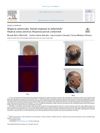
research Alopecia universalis. Partial response to tofacitinib
Tofacitinib partially improved hair regrowth in a patient with severe hair loss.
research 42736 Safety Assessments in the Multinational Phase 3 THRIVE-AA1 Trial with CTP-543 (Deuruxolitinib) in Adult Patients with Moderate to Severe Alopecia Areata
CTP-543 is generally safe for treating alopecia areata.
research SDRIFE Induced by Tofacitinib
Tofacitinib can cause a rare rash called SDRIFE, which resolves after stopping the drug.

research Oral tofacitinib for the treatment of alopecia areata in pediatric patients
Tofacitinib taken by mouth helps treat hair loss in children.
research Pooled safety and tolerability data from four placebo-controlled teriflunomide studies and extensions
Teriflunomide is safe and tolerable for treating relapsing-remitting multiple sclerosis, with manageable side effects.
research Frontal fibrosing alopecia: treatment with oral dutasteride and topical pimecrolimus
Oral dutasteride and topical pimecrolimus can safely and effectively treat Frontal Fibrosing Alopecia, leading to significant hair regrowth.
research Low-dose tofacitinib for treating patients with severe alopecia areata: an efficient and cost-saving regimen
Low-dose tofacitinib is effective and cheaper for severe alopecia areata.
research Cedrol from Platycladus orientalis (L.) Franco regulates M1/M2 polarization of macrophages and promotes hair regeneration
Cedrol promotes hair growth better than baricitinib by regulating immune cells.
research Systemic Tofacitinib in Alopecia Areata: A Single Center Retrospective Descriptive Cohort Study
Tofacitinib effectively regrows hair in alopecia areata patients, especially in younger individuals, with manageable side effects.
research Increasing utility of finasteride for frontal fibrosing alopecia
Finasteride helps treat frontal fibrosing alopecia, improving or stabilizing the condition in many patients.
research Tofacitinib for the treatment of severe alopecia areata and variants: A retrospective cohort study of 90 patients
Tofacitinib is effective and safe for treating severe alopecia areata and related conditions.
research A Novel Topical Compound Gel Loading Minoxidil and Tofacitinib for Treatment of Alopecia Areata: Formulation, Characterization, and In Vitro/In Vivo Evaluation
The new gel combining minoxidil and tofacitinib effectively treats alopecia areata by promoting hair growth and reducing inflammation.
research Treatment of alopecia areata in pre‐adolescent children with oral tofacitinib: A retrospective study
Oral tofacitinib may effectively treat hair loss in children with alopecia areata.