 September 2022 in “Hair transplant forum international”
 JAK inhibitors like baricitinib are a new FDA-approved treatment for alopecia areata, but safety data is incomplete.
 339 citations
,
February 2014 in “Journal of The American Academy of Dermatology”
339 citations
,
February 2014 in “Journal of The American Academy of Dermatology” Most patients with frontal fibrosing alopecia are postmenopausal women, and treatments like finasteride and dutasteride can improve or stabilize the condition.
 October 2022 in “Journal of Armed Forces Medical College, Bangladesh”
 Tofacitinib is effective and safe for treating alopecia areata.
January 2025 in “Archivio istituzionale della ricerca (Alma Mater Studiorum Università di Bologna)” Skin patting and iontophoresis with dutasteride gel improved hair growth in people with androgenetic alopecia.
 August 2021 in “Revista Colombiana de Reumatología/Revista Colombiana de Reumatologia”
 Janus kinase inhibitors may effectively treat severe alopecia areata unresponsive to other treatments.
61 citations
,
January 1970 in “Toxicology and Applied Pharmacology” 1 citations
,
December 2025 in “Journal of the American Academy of Dermatology” October 2025 in “Clinical and Experimental Dermatology” Fibrosing alopecia can be stabilized or improved with anti-inflammatory treatments and hair growth agents.
 November 2023 in “PubMed”
 Pentoxifylline is a safe and effective alternative to triamcinolone acetonide for treating localized alopecia areata.
 April 2026 in “Brazilian Journal of Hair Health”
 Perifollicular fibrosis hinders hair regrowth in androgenetic alopecia, and new treatments targeting fibrosis are needed.
 59 citations
,
January 2002 in “Dermatology”
59 citations
,
January 2002 in “Dermatology” A new type of sudden, complete female hair loss was found, with most patients fully recovering within 6 months without needing steroid treatment.
 1 citations
,
February 2024 in “JEADV. Journal of the European Academy of Dermatology and Venereology/Journal of the European Academy of Dermatology and Venereology”
1 citations
,
February 2024 in “JEADV. Journal of the European Academy of Dermatology and Venereology/Journal of the European Academy of Dermatology and Venereology” Baricitinib effectively promotes long-term hair regrowth in alopecia areata patients.
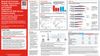 November 2025 in “SKIN The Journal of Cutaneous Medicine”
 Baricitinib helps regrow scalp, eyebrow, and eyelash hair in teens with severe alopecia areata.
January 2016 in “Indian dermatology online journal” The patient has frontal fibrosing alopecia (FFA).
July 2019 in “Medical Science and Discovery” Early diagnosis and treatment can prevent or delay frontal fibrosing alopecia progression in postmenopausal women.
 45 citations
,
May 2018 in “Stem Cell Research & Therapy”
45 citations
,
May 2018 in “Stem Cell Research & Therapy” Using patients' own fat-derived cells to treat alopecia areata significantly improved hair growth and was safe.
 36 citations
,
June 2014 in “Experimental Neurology”
36 citations
,
June 2014 in “Experimental Neurology” Teriflunomide is an effective and generally safe oral treatment for relapsing MS, reducing relapses and slowing disability progression.
 7 citations
,
April 2006 in “Experimental Neurology”
7 citations
,
April 2006 in “Experimental Neurology” Finasteride blocks deoxycorticosterone's anticonvulsant effects in infant rats, but indomethacin doesn't.
 June 2024 in “Indian Dermatology Online Journal”
 Topical tofacitinib is effective and safe for treating alopecia areata.
12 citations
,
December 2011 in “Journal of Dermatological Science” The C-terminal tail of AHF/trichohyalin is essential for organizing keratin filaments in keratinocytes.
 March 2025 in “Journal of the European Academy of Dermatology and Venereology”
 Baricitinib effectively reduces hair loss in alopecia areata and is well-tolerated.
September 2025 in “Journal of the American Academy of Dermatology” 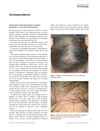 13 citations
,
January 2018 in “International Journal of Dermatology”
13 citations
,
January 2018 in “International Journal of Dermatology” The study found that treatment improved hair condition in patients with Fibrosing Alopecia in a Pattern Distribution in Chile.
 August 2016 in “Organic Process Research & Development”
 Authors retracted paper due to errors in data and mislabeling.
Allopregnanolone may help reduce inflammation and symptoms related to post-finasteride syndrome.
 February 2025 in “PubMed”
 CS12192 effectively treats alopecia areata with better safety than current options.
2 citations
,
May 2025 in “Journal of Clinical Medicine” Upadacitinib is safe and effective for treating alopecia areata and atopic dermatitis in children.
9 citations
,
July 2007 in “PubMed” Atrazine causes birth defects in rats, and finasteride can reliably create a hypospadias model.