Search
for
Sort by
Research
750-780 / 1000+ resultsresearch Glabellar clinical and trichoscopic findings in patients with frontal fibrosing alopecia
Frontal fibrosing alopecia can be diagnosed by examining facial areas and treated with specific medications to stop its progression.
research Potential synergistic effects of Haedoksamul-tang and Finasteride of on 5α-reductase inhibition and proliferation of human follicle dermal papilla cells
HST and HST/F promote hair growth and may help treat alopecia.
research Improvement in health‐related quality of life and symptoms of anxiety and depression in patients with alopecia areata randomized to baricitinib or placebo: Results from two international randomized controlled trials
Patients with severe alopecia areata felt better and less anxious or depressed when treated with baricitinib compared to placebo.

research A Promising Efficacy of Tofacitinib in an Adult Patient with Alopecia Areata
Tofacitinib effectively treated severe hair loss in a patient who didn't respond to other treatments.
research Efficacy and safety of ritlecitinib in adolescents with alopecia areata: Results from the ALLEGRO phase 2b/3 randomized, double‐blind, placebo‐controlled trial
Ritlecitinib effectively regrows hair in adolescents with alopecia areata and is safe.
research Alopecia frontal fibrosante. Valoración diagnóstica y terapéutica
Early diagnosis of frontal fibrosing alopecia is crucial to prevent permanent hair loss.
research FINASTERIDE INHIBITS 5?-REDUCTASE ACTIVITY IN HUMAN DERMAL FIBROBLASTS: PREDICTION OF ITS THERAPEUTIC APPLICATION IN ANDROGEN-RELATED SKIN DISEASES
Finasteride helps treat skin issues like acne and baldness by blocking testosterone conversion.
research 34007 Efficacy and safety of baricitinib in adult patients with severe alopecia areata with or without an atopic background from 2 randomized, placebo-controlled, phase 3 trials
Baricitinib is effective and safe for severe alopecia areata, working similarly with or without an atopic background.

research Long non-coding RNA AL136131.3 inhibits hair growth through mediating PPARγ in androgenetic alopecia
A specific RNA molecule blocks hair growth by affecting a protein related to hair loss conditions.
research Investigação das atividades alelopática, fitotóxica e antioxidante de extratos e frações de Tridax procumbens L. (Asteraceae). e Ouratea spectabilis (mart. ex engl.) engl. (Ochnaceae)
Tridax procumbens and Ouratea spectabilis can affect other plants' growth and have antioxidant benefits.
research Plasma androsterone/epiandrosterone sulfates as markers of 5α-reductase activity: Effect of finasteride in normal men
Finasteride effectively lowers specific hormone levels, helping monitor treatment progress.
research 1409 Temporary cell cycle arrest by ALRN-6924: A novel, p53-targeting strategy to protect human scalp hair follicles against cyclophosphamide-induced alopecia
ALRN-6924 can protect hair follicles from chemotherapy damage by temporarily stopping cell division.
research 5α-Reductase inhibitors in androgenetic alopecia
research Effect of Carbamates on mRNA Encoding Lipid Enzymes in Hamster Flank Organs
Carbamates may help treat androgen-dependent conditions by changing how certain lipid enzymes are produced.
research Synthesis and 5α-Reductase Inhibitory Activity of C21 Steroids Having 1,4-diene or 4,6-diene 20-ones and 4-Azasteroid 20-Oximes
Three specific 4-azasteroid-2-oximes showed strong enzyme inhibition, but less than finasteride.
research A pan-European register-based observational study of abrocitinib and conventional systemic therapies in moderate and severe atopic dermatitis: the DREAM TO TREAT AD study protocol
Abrocitinib is being evaluated for safety and effectiveness in treating moderate to severe atopic dermatitis.
research El finasteride como control positivo en estudios de reproducción
Finasteride causes reproductive changes in male rats.
research Peroxisome Proliferator Activated Receptors Gamma Serum levels and Gene Polymorphism in Frontal Fibrosing Alopecia: A Case Control Study
Lower PPARγ levels and specific gene variations are linked to more severe Frontal Fibrosing Alopecia.
research Baricitinib: Exploring the Safety Profile for the Treatment of Alopecia Areata
Baricitinib is effective for severe alopecia areata with manageable side effects, mainly upper respiratory infections.
research Comparative efficacy of topical calcipotriol and tacrolimus in alopecia areata: A prospective trial
This study compared the efficacy of topical calcipotriol and tacrolimus in treating alopecia areata in a randomized control trial with 80 patients. Group A used calcipotriol and Group B used tacrolimus, both applied twice daily for 6 months. Results showed that calcipotriol significantly improved hair growth, with a 67% efficacy rate compared to 33% for tacrolimus, as measured by the SALT score. The study concluded that calcipotriol is superior to tacrolimus for treating alopecia areata, with the difference being statistically significant.
research Considerations for the Treatment Strategy of Relapse After Tofacitinib Therapy in Alopecia Areata
Alternative treatments are needed when Tofacitinib alone fails for alopecia areata.
research Enhancement of Intermittent Androgen Ablation Therapy by Finasteride Administration in Animal Models
Finasteride may improve prostate cancer therapy by enhancing testosterone's benefits and reducing risks.
research Evaluating 5 alpha reductase inhibitors for the treatment of male androgenic alopecia
Finasteride and dutasteride are effective in treating male hair loss but can cause sexual side effects and birth defects.
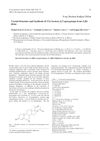
research Crystal Structure and Synthesis of 17.ALPHA.-Acetoxy-6,7-epoxypregn-4-ene-3,20-dione
A new compound was made that might help treat diseases related to male hormones.
research Randomized controlled evaluator blinded study of dutasteride versus finasteride in men with androgenetic alopecia
Dutasteride more effective than finasteride for hair growth; SM04554 safe and potentially effective for hair loss.
research MICROBIAL OXIDATION OF FINASTERIDE WITH MACROPHOMINA PHASEOLINA(KUCC 730)
research ANDROGENETIC ALOPECIA
Minoxidil was promising for treating male and female pattern baldness in 1994, but more research on genetics and other treatments was needed.
research Dutasteride for Androgenetic Alopecia—Words of Caution
Dutasteride's effect on hair loss treatment is uncertain and should be used cautiously.
research Efficacy of adipose stromal cells-enriched high-density fat graft combined with BTX-A for Raynaud’s phenomenon: a prospective cohort study
Combining fat grafts with botulinum toxin helps improve Raynaud's symptoms.