Arabidopsis Formin 2 stabilizes actin filaments to aid cell-to-cell trafficking.
1 citations
,
February 2023 in “Russian Journal of Bioorganic Chemistry” The new compound may be a safer alternative to finasteride for prostate protection.
April 2016 in “The journal of investigative dermatology/Journal of investigative dermatology” The ALADIN score can predict how well patients with alopecia areata will respond to JAK inhibitor treatments.
 2 citations
,
January 2013 in “International Journal of Dermatology”
2 citations
,
January 2013 in “International Journal of Dermatology” ALDOA levels drop in hair cells during hair loss.
 1 citations
,
July 2019 in “Medicina Clínica (English Edition)”
1 citations
,
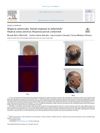
July 2019 in “Medicina Clínica (English Edition)” Tofacitinib partially improved hair regrowth in a patient with severe hair loss.
A new method allows for controlled, long-lasting delivery of retinoic acid through the skin with less inflammation.
January 2026 in “Journal of Ethnopharmacology” Cedrol promotes hair growth better than baricitinib by regulating immune cells.
Farudodstat may effectively treat alopecia areata by protecting hair follicles without harmful effects.
 December 2025 in “Journal of Pakistan Association of Dermatologists”
 Stopping afatinib improved a rare scalp condition in a patient.
 64 citations
,
June 2009 in “Journal of The American Academy of Dermatology”
64 citations
,
June 2009 in “Journal of The American Academy of Dermatology” Oral dutasteride can potentially treat frontal fibrosing alopecia in postmenopausal women, with some patients showing disease arrest and hair regrowth.
 September 2024 in “Egyptian Journal of Dermatology and Venerology”
 Combining TRA and latanoprost is most effective for treating localized alopecia areata.
 60 citations
,
November 2009 in “General and Comparative Endocrinology”
60 citations
,
November 2009 in “General and Comparative Endocrinology” Fadrozole and finasteride change gene expression related to sex hormones and thyroid hormones in frog larvae development.
The treatment was not recommended due to limited effectiveness and significant side effects.
6 citations
,
May 2012 in “The Journal of Dermatology” Fexofenadine may help treat a difficult type of hair loss.
The enzyme Dgat1 is essential for healthy hair and skin by controlling retinoid levels.
7 citations
,
September 2024 in “PLANT PHYSIOLOGY” RALF22 is essential for root hair growth in response to fungal emissions in Arabidopsis.
July 2024 in “Reactions Weekly”  April 2016 in “Plastic and reconstructive surgery. Global open”
 Tafluprost could be a potential treatment for hair loss by promoting hair growth phase changes.
 9 citations
,
October 2021 in “International Journal of Dermatology”
9 citations
,
October 2021 in “International Journal of Dermatology” Tofacitinib is effective and safe for treating severe hair loss in a Saudi population.
Oral tofacitinib effectively treats alopecia areata long-term with manageable side effects.
 65 citations
,
February 2015 in “Neuro-Oncology”
65 citations
,
February 2015 in “Neuro-Oncology” Alisertib was found to be an effective and tolerable treatment for children with recurrent brain tumors.
 August 2018 in “Journal of the American Academy of Dermatology”
 Tofacitinib is a potential alternative treatment for alopecia totalis, especially in patients with a shorter duration of the condition and more preserved hair follicles, but the overall response rate is low.
December 2022 in “Scientific Reports” Compound 4 is a promising treatment for hair loss with low toxicity.
 September 2021 in “Revista Interdisciplinar em Saúde”
 Oral isotretinoína effectively stabilizes frontal fibrosing alopecia.
2 citations
,
January 2012 in “Journal of Clinical & Experimental Dermatology Research” Fexofenadine reduces discomfort but doesn't significantly improve hair regrowth in Alopecia Areata treatment.
 1 citations
,
July 2024 in “Journal of the European Academy of Dermatology and Venereology”
1 citations
,
July 2024 in “Journal of the European Academy of Dermatology and Venereology” Oral dutasteride is effective and safe for treating frontal fibrosing alopecia.
 January 2025 in “International Journal of Dermatology”
 Tofacitinib improved hair and nail conditions in a teen with alopecia areata.
 May 2025 in “Journal of Nanobiotechnology”
 The gel improves hair regrowth and reduces irritation in alopecia areata treatment.