 9 citations
,
May 2021 in “Molecules”
9 citations
,
May 2021 in “Molecules” New indole-based compounds, particularly cemtirestat, show promise as dual-function drugs for diabetic complications.
66 citations
,
February 2013 in “PeerJ” Activating cannabinoid receptor 1 reduces certain keratin levels, potentially aiding psoriasis treatment.
May 2026 in “International Journal of Health Management Review” Alkaline substances can severely damage hair and scalp health.
2 citations
,
January 1987 in “Acta Agriculturae Scandinavica” Certain chelators lighten mink skin and hair, increase skin elasticity, and disrupt hair growth without affecting fur quality.
May 2022 in “Current Enzyme Inhibition” Compound 7b is a promising candidate for treating benign prostatic hyperplasia and prostate cancer.
January 2026 in “Journal of Ethnopharmacology” Cedrol promotes hair growth better than baricitinib by regulating immune cells.
 March 2020 in “The journal of investigative dermatology/Journal of investigative dermatology”
 Suppressing very long chain fatty acids is linked to skin cancer.
 February 2025 in “International Journal of Cosmetic Science”
 Protein carbonylation is a sensitive marker for oxidative damage in hair, especially from light exposure.
 April 2023 in “The journal of investigative dermatology/Journal of investigative dermatology”
 Ritlecitinib significantly improves scalp hair regrowth in alopecia areata patients over time.
January 2006 in “Ingeniería química” NKB levels are higher in PCOS pregnancies, especially with female babies, and may affect placental function.
 260 citations
,
July 2010 in “Cell”
260 citations
,
July 2010 in “Cell” Mutations in the SRD5A3 gene cause a new type of glycosylation disorder by blocking the production of a molecule necessary for protein glycosylation.
 24 citations
,
June 2020 in “Industrial Crops and Products”
24 citations
,
June 2020 in “Industrial Crops and Products” Activated carbon fibers from Metaplexis japonica seed hair are highly effective for removing the dye methylene blue from water.
28 citations
,
October 1987 in “PubMed” Lithium temporarily stops cell division in plant cells, but this can be reversed with certain chemicals.
 5 citations
,
February 2010 in “Drug development and industrial pharmacy”
5 citations
,
February 2010 in “Drug development and industrial pharmacy” Vesicles made of behenyltrimethylammonium chloride and stearic acid can triple the skin absorption of hinokitiol, which may help with hair growth.
Activating CB1 can reduce keratin levels, potentially helping manage psoriasis and aid wound healing.
2 citations
,
January 1999 in “Dermatology” 
30% supramolecular salicylic acid is safe and effective for treating mild to moderate facial acne.
1 citations
,
October 2024 in “The American Journal of Gastroenterology” Khat use may worsen liver conditions and increase the risk of liver damage.
May 2025 in “CPT Pharmacometrics & Systems Pharmacology” A 50 mg non-loading dose of ritlecitinib is safe for adults and adolescents.
February 2025 in “Iranian journal of pharmaceutical research” 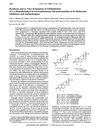 12 citations
,
April 1995 in “Journal of Medicinal Chemistry”
12 citations
,
April 1995 in “Journal of Medicinal Chemistry” The new compounds moderately block a specific enzyme and strongly counteract a male hormone, suggesting potential for treating certain male-related health conditions.
 April 2016 in “Journal of The American Academy of Dermatology”
 Daylight photodynamic therapy is effective and well-tolerated for treating actinic keratoses with minimal side effects.
 47 citations
,
January 2003 in “American Journal of Clinical Dermatology”
47 citations
,
January 2003 in “American Journal of Clinical Dermatology” Mood stabilizers can cause serious skin reactions; careful monitoring and immediate treatment are crucial.
12 citations
,
October 1947 in “Journal of the Society of Dyers and Colourists” Mercuric acetate makes wool unshrinkable by changing its elastic properties.
2 citations
,
January 2015  5 citations
,
January 2018
5 citations
,
January 2018 The conclusion is that a new test was created to find substances that affect specific ion channels, and it works well for drug discovery.
 20 citations
,
September 2005 in “Endocrinology”
20 citations
,
September 2005 in “Endocrinology” Certain changes to the B-ring of androgen receptor ligands can increase their effectiveness for potential treatments of muscle and bone conditions.
 May 1999 in “Dermatologic Surgery”
 Dr. Zitelli emphasized that "Mohs surgery" should only be called that when one doctor does both the surgery and pathology.