 28 citations
,
January 2013 in “Stem cells”
28 citations
,
January 2013 in “Stem cells” Certain human skin cells marked by CD44 and ALDH are rich in stem cells capable of long-term skin renewal.
 3 citations
,
January 2023 in “PloS one”
3 citations
,
January 2023 in “PloS one” Implanting hair-follicle stem cells in mice brains helped repair brain bleeding and reduced brain inflammation.
25 citations
,
June 1998 in “Journal of Investigative Dermatology” Murine cytomegalovirus does not cause alopecia areata in these mice.
 25 citations
,
December 2018 in “Human Molecular Genetics”
25 citations
,
December 2018 in “Human Molecular Genetics” The document concludes that certain mutations may contribute to the inflammation in hidradenitis suppurativa and suggests that targeting TNFα could be a treatment strategy.
1 citations
,
May 2023 in “Frontiers in Pharmacology” Genetic screening for NUDT15 polymorphisms is crucial for patients taking azathioprine, especially in Asians.
8 citations
,
April 2023 in “Dermatology Practical & Conceptual” Certain blood markers, especially MLR, can help diagnose alopecia areata.
January 2003 in “Jiepouxue zazhi” HHK can help restore skin structure.
Stem cell treatments show promise for hair loss but need more research.
December 2013 in “American journal of transplantation” The patient improved after antiviral treatment for a viral infection.
4 citations
,
May 2020 in “Journal of the American Academy of Dermatology” HS patients rarely see dermatologists, often get opiates, and need better care.
717 citations
,
June 2010 in “Nature” Alopecia areata involves both innate and adaptive immunity, with specific genes linked to the disease.
 18 citations
,
April 2010 in “Actas Dermo-Sifiliográficas”
18 citations
,
April 2010 in “Actas Dermo-Sifiliográficas” Follicular unit hair transplantation is the standard method for natural-looking hair restoration in androgenic alopecia.
11 citations
,
June 2010 in “Medical Molecular Morphology” July 1996 in “Hair transplant forum international”  2 citations
,
January 2022 in “Genetics Research”
2 citations
,
January 2022 in “Genetics Research” Using hemocoagulase with platelet-rich plasma in hip replacement can lessen blood loss and improve healing and blood clotting.
November 2025 in “Skin Appendage Disorders” Immune cell-targeting biologics show potential for treating alopecia areata but need better-targeted therapies.
 April 2025 in “Journal of Cosmetic and Laser Therapy”
 QR678 Neo® improves hair transplant success and hair regrowth.
 2 citations
,
May 2018 in “Expert opinion on orphan drugs”
2 citations
,
May 2018 in “Expert opinion on orphan drugs” Newborn screening and gene therapy are expected to improve outcomes for Omenn syndrome patients.
 16 citations
,
December 2001 in “Dermatologic Therapy”
16 citations
,
December 2001 in “Dermatologic Therapy” Alopecia areata has a complex genetic basis that was not fully understood as of 2001.
 1 citations
,
December 2020 in “Dermatology Archives”
1 citations
,
December 2020 in “Dermatology Archives” Systemic steroids temporarily improve severe alopecia areata in children but often lead to relapse.
 June 2024 in “Archives of Medical Science”
 Telitacicept effectively improved hair regrowth in a woman with lupus and alopecia.
 January 2018 in “Hair transplant forum international”
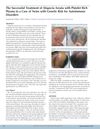
 PRP injections can effectively treat alopecia areata.
 November 2022 in “The journal of investigative dermatology/Journal of investigative dermatology”
 TYK2 inhibition may help treat alopecia areata by promoting hair growth and reducing immune response.
 September 2004 in “Experimental dermatology”
 Melatonin directly affects mouse hair follicles and may influence hair growth.
17 citations
,
May 2014 in “Cell transplantation” Genetically modified stem cells from human hair follicles can lower blood sugar and increase survival in diabetic mice.
 5 citations
,
January 2016 in “Elsevier eBooks”
5 citations
,
January 2016 in “Elsevier eBooks” Using a specific binding agent and low doses of FK506 can stimulate stem cells, speeding up skin healing by 25% and improving skin quality in rats and mice.
April 2023 in “Journal of Investigative Dermatology” Contact immunotherapy can change immune responses in alopecia areata, suggesting new treatment targets.
January 2025 in “Tanzania journal of health research/Tanzania Journal of Health Research” Autologous mini-punch grafting can effectively repigment stable vitiligo, but has some risks and limitations.
17 citations
,
August 2020 in “Stem Cell Research & Therapy” A 3D cell model can rejuvenate stem cells to improve wound healing.
February 2025 in “Jurnal Kedokteran Brawijaya” Autologous skin cell transplantation speeds up healing and xenografts improve skin color in burn care.