
Using scalp stem cells can improve hair transplants.
 11 citations
,
June 2008 in “Dermatologic Surgery”
11 citations
,
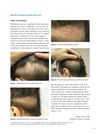
June 2008 in “Dermatologic Surgery” Transplanting chest hair into scalp scars may effectively treat wide donor scars in hair restoration.
March 2007 in “Journal of Plastic Reconstructive & Aesthetic Surgery” A new method was developed to create better skin models for healing and reconstruction.
7 citations
,
November 2020 in “Journal of Tissue Viability” Transplanting a person's own hair can heal chronic wounds in certain skin conditions.
5 citations
,
August 2012 in “Archives of Dermatology” The immune system can cause permanent skin and hair whitening by attacking pigment cells.
 15 citations
,
December 2007 in “Dermatologic Therapy”
15 citations
,
December 2007 in “Dermatologic Therapy” Hair transplantation has improved with techniques that increase graft survival and patient satisfaction for more natural results.
 9 citations
,
December 1984 in “The Journal of Dermatologic Surgery and Oncology”
9 citations
,
December 1984 in “The Journal of Dermatologic Surgery and Oncology” Layered suture closure for hair transplant donor sites results in smaller scars and easier future harvesting but takes more time and may temporarily increase hair shedding.
 2 citations
,
January 2015 in “Hair transplant forum international”
2 citations
,
January 2015 in “Hair transplant forum international” Using human recombinant hyaluronidase in donor strip harvesting may improve the procedure.
 1 citations
,
April 2023 in “PubMed”
1 citations
,
April 2023 in “PubMed” Biocompatible artificial hair implants significantly improved patients' quality of life and were successful.
 October 2019 in “The Egyptian Journal of Hospital Medicine”
 Both hair transplantation and skin expansion are effective for treating cicatricial alopecia, with the best method depending on the patient's age, alopecia size, and other factors.
18 citations
,
January 2000 in “Journal of Adhesion Science and Technology” Modified artificial hair with collagen improves tissue adhesion and is safe for long-term use.
 20 citations
,
June 2020 in “Stem Cell Research & Therapy”
20 citations
,
June 2020 in “Stem Cell Research & Therapy” Using stem cells from fat tissue can significantly improve wound healing in dogs.
 January 2025 in “Dialnet (Universidad de la Rioja)”
 ADSC-enriched fat grafting is the best and safest aesthetic treatment, combining effectiveness and ethical confidence.
 5 citations
,
January 1985 in “The Journal of Dermatologic Surgery and Oncology”
5 citations
,
January 1985 in “The Journal of Dermatologic Surgery and Oncology” A man developed unusual growths after a hair transplant, which were treated successfully with no recurrence after a month.
November 2023 in “Bioengineering” AMT® is effective and safe for early-stage knee osteoarthritis.
October 2022 in “Hair Transplantation” Combination grafting offers efficient, natural hair restoration in one session.
18 citations
,
December 2010 in “Transplantation Proceedings” Black hairy tongue can be an early sign of graft-versus-host disease after stem cell transplants.
 3 citations
,
April 2016 in “Dermatologic Surgery”
3 citations
,
April 2016 in “Dermatologic Surgery” A man's forehead and eyebrow were successfully reconstructed with a skin and hair graft that matched his other eyebrow, without needing frequent trimming.
 July 2024 in “British journal of surgery”
 Stem cell therapy shows promise for treating hair loss.
1 citations
,
January 2010 Redistributing existing hair is the best solution for scalp alopecia.
1 citations
,
January 1997 in “European journal of plastic surgery” Tissue expansion can fix scalp issues from hair implants.
2 citations
,
December 2024 in “JPRAS Open” Scalp skin is a good option for skin grafts, healing well with proper care.
 43 citations
,
June 2016 in “Clinics in Plastic Surgery”
43 citations
,
June 2016 in “Clinics in Plastic Surgery” The conclusion is that fat grafting is safe and effective but carries risks that need careful management.
March 2025 in “Tissue and Cell” Frozen-thawed fibroblast sheets enhance wound healing and hair growth in mice.
 1 citations
,
May 2021 in “Hair transplant forum international”
1 citations
,
May 2021 in “Hair transplant forum international” Using hair grafts from outside the safe zone requires careful placement to improve their survival and effectiveness.
November 2025 in “Cosmetics” Autologous Micrografting Technology effectively improves hair growth and is a safe, promising option for hair restoration.
September 2011 in “American Journal of Transplantation” Hair regrowth in alopecia universalis may be possible by altering immune cells.
August 2018 in “Chinese journal of plastic surgery” Buccal mucosa grafts work well for urethroplasty in rabbits.
 4 citations
,
January 2007 in “Indian Journal of Dermatology”
4 citations
,
January 2007 in “Indian Journal of Dermatology” Body hair can be used as an extra source of donor hair in hair restoration surgery for people with severe hair loss.
 September 2025 in “Cellular and Molecular Biology”
 Intraoperative corticosteroids reduce swelling, and early care lowers folliculitis risk in hair transplant donor sites.