 September 2024 in “Journal of the American Academy of Dermatology”
 Baricitinib maintains significant hair regrowth in severe alopecia areata over three years.
June 2026 in “British Journal of Dermatology” Alopecia areata patients face significant mental distress, but psychological support is lacking.
July 2025 in “Journal of the European Academy of Dermatology and Venereology” June 2026 in “Journal of Cosmetic Dermatology” FFA patients have higher metal levels in hair, possibly linked to product use.
 April 2011 in “Global journal of health science”
 Aldactone effectively reduces hair thickness in women with excessive hair growth, both alone and with other treatments.
21 citations
,
December 2014 in “Clinics in dermatology” Squaric acid dibutylester effectively treats alopecia areata.
2 citations
,
March 2022 in “Journal of The European Academy of Dermatology and Venereology” Combining dutasteride injections with oral minoxidil may improve hair regrowth more than using oral minoxidil alone.
 June 2023 in “Skin Research and Technology”
 The supplement with amino acids, iron, selenium, and marine hydrolyzed collagen improved hair growth more than drug treatment alone, with most people tolerating it well.
June 2026 in “British Journal of Dermatology” Ritlecitinib shows promise for treating alopecia areata with significant hair regrowth and no serious side effects.
February 2014 in “Faculty Opinions – Post-Publication Peer Review of the Biomedical Literature” Dutasteride 0.5mg is more effective than finasteride 1mg for treating male pattern baldness.
The model predicts minoxidil's effectiveness and side effects better than traditional methods.
 20 citations
,
December 1997 in “Clinical Endocrinology”
20 citations
,
December 1997 in “Clinical Endocrinology” Spironolactone may help reduce hair loss in androgenic alopecia.
 September 2025 in “Intisari Sains Medis”
 The combination therapy improved severe alopecia areata in a patient after 14 days.
 1 citations
,
March 2024 in “Skin health and disease”
1 citations
,
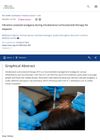
March 2024 in “Skin health and disease” Vibration assisted analgesia reduces pain during corticosteroid therapy for alopecia.
 January 2020 in “International Journal of Research in Pharmacy and Chemistry”
 A reliable method was created to measure dutasteride and related molecules in capsules.
 January 2024 in “American journal of clinical dermatology”
 Ritlecitinib is safe and well-tolerated for treating alopecia areata in patients aged 12 and older.
 November 2025 in “SKIN The Journal of Cutaneous Medicine”
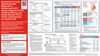
 Baricitinib significantly regrows hair in teens with severe alopecia areata.
October 2025 in “Clinical and Experimental Dermatology” Low-dose oral minoxidil significantly improves hair density in non-scarring alopecia.
 April 2019 in “Journal of Investigative Dermatology”
 Sandalore®, a synthetic scent, improved hair loss and satisfaction in women with telogen effluvium.
August 2020 in “European Journal of Dermatology” Dutasteride for hair loss can cause skin reactions like itchy red plaques.
January 2026 in “Scientific Reports” Certain blood cell ratios are higher in kids with alopecia areata and might help predict the disease.
November 2025 in “Biomedicines” JAK1 inhibitors can help reduce itchiness in atopic dermatitis.
 May 2018 in “Actas Dermo-Sifiliográficas”
 The Spanish version of the Hair Specific Skindex-29 is a reliable tool for measuring quality of life in Spanish-speaking women with hair loss.
 January 2021 in “International journal of basic and clinical pharmacology”
 Hydroxychloroquine is less effective than betamethasone oral mini pulse therapy for treating alopecia areata.
Baricitinib showed mixed results in treating alopecia areata in children, with some improvement but also side effects.
February 2025 in “Journal of the European Academy of Dermatology and Venereology” Oral dutasteride is a recommended first treatment for frontal fibrosing alopecia.
March 2014 in “The Journal of Urology” Long-term treatment with finasteride or combined therapy worsens sexual function in men with urinary issues.
 1 citations
,
January 2019 in “PubMed”
1 citations
,
January 2019 in “PubMed” Baldness score can't be used to predict prostate size.
July 2022 in “International Journal of Contemporary Medicine” Lower Paraoxonase 1 levels in alopecia areata patients suggest antioxidant treatment might help.
 September 2023 in “Journal of The American Academy of Dermatology”
 Reducing the dose of Baricitinib to 2mg led to a loss of hair regrowth benefits in nearly half of the patients by Week-104.