November 2025 in “Journal of Investigative Dermatology” AMP-303 injections can increase hair growth in androgenetic alopecia with minimal side effects.
 April 2026 in “Cosmetics”
 Astragalus plants may improve skin health and have anti-aging benefits.
March 2024 in “INDIAN JOURNAL OF APPLIED RESEARCH” Polarity Analysis with Calcarea Carbonica may effectively treat alopecia areata with fewer side effects.
23 citations
,
September 1957 in “Archives of Dermatology” Alkaline phosphatase activity decreases in early alopecia areata.
 April 2025 in “Antioxidants”
 Rhus semialata gall extract and Penta-O-Galloyl-β-D-Glucose may effectively reduce hair loss.
 March 2026 in “Journal of Hunan University Natural Sciences”
 Albizia saponaria stem bark shows promise as a natural antidandruff treatment.
 January 2026 in “Medicine”
 Hejie Shengfa Decoction may help treat alopecia areata by promoting hair growth and reducing inflammation, but more safety studies are needed.
The poly herbal gel effectively stimulated hair growth.
54 citations
,
December 2004 in “PubMed” Cyclosporin A vesicles effectively regrow hair and reduce inflammation in alopecia areata.
 March 2023 in “Journal of Applied Biomedicine”
 Oleanolic acid improved hair growth in mice by affecting hair growth pathways and reducing inflammation.
 June 2025 in “Journal of the Pakistan Medical Association”
 2dDR may help regrow hair in male pattern baldness.
January 2005 in “Life sciences” Targeting LPA could help treat skin disorders.
63 citations
,
May 2015 in “PloS one” GALT5 and GALT2 are important for plant growth and development because they help with protein glycosylation.
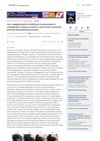 February 2024 in “Journal of Cosmetic Dermatology”
 White hair patch repigmented and hair regrew in a balding patient after treatment with exosomes and laser.
 June 2026 in “Gümüşhane Üniversitesi Fen Bilimleri Enstitüsü Dergisi”
 PVA/agar films with Achillea millefolium essential oil are promising for wound dressings due to good strength and selective antibacterial effects.
October 2024 in “International Journal of Biological Macromolecules” Ginkgo biloba leaf polysaccharides have many health benefits and potential for commercial use.
June 2025 in “Materials Today Bio” CPGel hydrogel heals diabetic wounds effectively in 21 days.
January 2020 in “한국공업화학회 연구논문 초록집” Encapsulated hair cells in a special gel can help regenerate hair follicles, potentially treating hair loss.
 May 2026 in “Iranian journal of pharmaceutical research”
 HAMA hydrogels speed up skin wound healing by reducing inflammation and boosting collagen production.
January 2015 in “프로그램북(구 초록집)” Two patients with stubborn hair loss grew hair after PDRN injections.
 205 citations
,
April 2013 in “British Journal of Dermatology”
205 citations
,
April 2013 in “British Journal of Dermatology” Platelet-rich plasma treatment significantly increased hair regrowth and decreased discomfort in alopecia patients, making it a potentially better and safer treatment option.

Fructus Psoraleae may help treat hair loss by inhibiting 5-α reductase and affecting the Nrf2-Keap1 pathway.
April 2025 in “Annals of Medicine” Compound glycyrrhizin with conventional treatments is effective and safe for hair regrowth in alopecia areata.
 8 citations
,
December 2018 in “Journal of Dermatological Treatment”
8 citations
,
December 2018 in “Journal of Dermatological Treatment” The PRP-like cosmetic with biomimetic peptides is potentially effective and safe for treating alopecia areata.
1 citations
,
October 2015 in “The Pharma Innovation Journal” The best way to make a topical treatment for hair loss is to mix Saw Palmetto extract with 48% ethanol at the end of making the lotion.
 January 2024 in “Journal of Applied Pharmaceutical Science”
 Procyanidin B2 and leucopelargonidin from Saraca asoca may help treat PCOS by balancing hormones.
January 1980 in “Lluc: revista de cultura i d'idees” Agaricus bisporus β-Glucan particles could effectively treat cervical cancer and offer antimicrobial and antioxidant benefits.
 72 citations
,
June 2019 in “International Journal of Cosmetic Science”
72 citations
,
June 2019 in “International Journal of Cosmetic Science” 18β-glycyrrhetinic acid from licorice root is good for skin and hair treatments but has absorption challenges.
2 citations
,
May 2023 in “The Journal of Immunology” NXC736 significantly reduced hair loss in mice with alopecia areata.
13 citations
,
April 1982 in “The Journal of Dermatology” Poly(ADP-ribose) synthesis is linked to skin cell differentiation.