December 2025 in “Phytomedicine Plus” Combining herbal medicines with modern delivery systems may improve alopecia treatment.
November 2025 in “British Journal of Dermatology” The guideline recommends personalized treatment for alopecia areata, including new oral medications and psychological support.
 November 2025 in “Journal of Pioneering Medical Science”
 Dietary interventions improved hair density and reduced dandruff by balancing scalp microbiota and reducing inflammation.
 October 2025 in “Plastic & Reconstructive Surgery”
 MNC-QQ cell therapy improved hair growth and quality of life in men with androgenic alopecia without adverse effects.
 October 2025 in “Dermatology and Therapy”
 Recognizing and treating related skin conditions can improve atopic dermatitis management.
 September 2025 in “Australasian Journal of Dermatology”
 New medications could improve treatment for severe alopecia areata in Australia.
 September 2025 in “Journal of Pakistan Association of Dermatologists”
 Adding Biotin to PRP doesn't improve hair regrowth.
August 2025 in “Frontiers in Nutrition” Leucine levels may affect hair loss after bariatric surgery.
 August 2025 in “Frontiers in Microbiology”
 Microneedling, especially with halometasone, improves hair regrowth and gut health in alopecia areata.
 June 2025 in “Journal of Population Therapeutics and Clinical Pharmacology”
 The combination of microneedling, PRP, and minoxidil is more effective for hair loss than minoxidil alone.
 May 2025 in “Frontiers in Pharmacology”
 New treatments are needed for non-scarring alopecia due to current limitations.
Cyclosporine is more effective than betamethasone for treating alopecia areata, despite mild side effects.
 May 2025 in “International Society of Hair Restoration Surgery”
 Injecting stem cells from hair follicles may improve hair growth in baldness.
May 2025 in “International Journal of Trichology” Men with androgenetic alopecia may have higher cholesterol and triglycerides.
April 2025 in “Annals of Medicine” Compound glycyrrhizin with conventional treatments is effective and safe for hair regrowth in alopecia areata.
 March 2025 in “SKIN The Journal of Cutaneous Medicine”
 Social media content on platelet-rich plasma is often poor quality and needs better regulation and more input from doctors.
 January 2025 in “International Journal of Trichology”
 Young males with severe early-onset hair loss may have a higher risk of metabolic syndrome.

Polarized microscopy helps identify hair irregularities in genetic disorders.
 December 2024 in “Research Journal of Medical Sciences”
 Injectable Platelet Rich Fibrin effectively improves hair growth in males with hair loss.
 November 2024 in “Cureus”
 Many female medical students in Saudi Arabia show signs of insulin resistance linked to increased waist size.
 October 2024 in “World Journal of Psychiatry”
 Stress worsens hair loss in androgenetic alopecia.
 October 2024 in “Frontiers in Nutrition”
 Vitamin D deficiency is common in people with certain types of hair loss, like alopecia areata and female pattern hair loss.
Personalized, multidisciplinary care improves skin condition management and patient outcomes.
 August 2024 in “Current Protocols”
 The C3H/HeJ mouse model is useful for studying and testing treatments for alopecia areata.
 March 2024 in “Journal of clinical medicine”
 Trichoscopy shows hair diameter variability, vellus hairs, and the peripilar sign are key indicators for diagnosing Androgenetic Alopecia.
 March 2024 in “International journal of life-sciences scientific research/SSR Institute of International Journal of Life Sciences”
 PCOS has many symptoms, with high androgen levels being the most common.
Balding in men worsens with age.
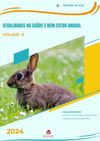 January 2024 in “Editora In Vivo eBooks”
 Cryptosporidiosis in dogs can spread to humans, so prevention is crucial.
 September 2023 in “International Journal of Dermatology”
 Younger people are at a higher risk for Fibrosing Alopecia in a Pattern Distribution than previously thought, with common symptoms and possible involvement of mast cells in its development.
 June 2023 in “Journal of cosmetic dermatology”
 Both DPCP alone and with PRP are effective and safe for treating severe alopecia areata.