 June 2025 in “International Journal of Dermatology”
 Female athletes using steroids risk hair loss and need better education and treatment.
 April 2025 in “Cytotherapy”
 UC-MSCs derived secretome therapy may help treat hair loss safely.

Drinking sweetened tea and late bedtimes increase the risk of hair loss in women.

Drinking sweetened tea and poor sleep habits increase the risk of hair loss in women.

Drinking sweetened tea and poor sleep increase the risk of hair loss in women.
September 2024 in “Brazilian Journal of Health Review” Female pattern hair loss is common and affects quality of life, but more research is needed for better treatments.
 August 2024 in “EMJ Dermatology”
 Non-scarring alopecia in females affects emotional well-being and requires accurate diagnosis and personalized treatment.
 May 2024 in “Dermatologic surgery”
 Nonactivated low leukocyte PRP injections can significantly increase hair and follicle density in women with alopecia.
 May 2024 in “Medicine today”
 Older age, family history, and low iron levels increase the risk of female hair loss.

AI can predict hair loss patterns to improve care and treatment.

Hair loss in women with PCOS is linked to high androgen levels but the relationship is unclear.
December 2023 in “Journal of Asia Pacific Aesthetic Sciences” Using one's own hair stem cells can improve hair density in Asian individuals with hair loss.
 November 2023 in “Journal of Cosmetic Dermatology”
 People with non-scarring hair loss often have lower vitamin D levels than those without hair loss.
November 2023 in “Pakistan Journal of Medical & Health Sciences” Hair transplants improve hairlines and reduce distress from hair loss.
 July 2023 in “Dermatology practical & conceptual”
 Women with Female Pattern Hair Loss may experience more stress, anxiety, and depression, and have lower levels of BDNF, which could predict the psychological impact.
 April 2023 in “Voprosy kurortologii fizioterapii i lechebnoĭ fizicheskoĭ kultury”
 COVID-19 may cause hair loss, often after recovery, with androgenetic alopecia being the most common type.

Older male COVID-19 patients are more likely to experience hair loss.
About half of people with mild alopecia areata see hair regrowth in a year, but relapses are common.
 August 2022 in “RECISATEC”
 Female pattern hair loss is common, often starts in the 30s or 40s, worsens after menopause, and can negatively affect quality of life.
 July 2022 in “Journal of Investigative Dermatology”
 The conclusion suggests that a new system for measuring hair loss could be created using automated analysis of photographs.
July 2022 in “European Journal of Dermatology” Topical minoxidil and oral finasteride are effective for managing hair loss.
 April 2022 in “JAAD International”
 Women with frontal fibrosing alopecia have similar vitamin D levels to those with other hair loss types, suggesting vitamin D is not a key factor in this condition.
 January 2022 in “Przegla̧d dermatologiczny”
 The document concludes that there are various treatments for diseases linked to scarring hair loss, especially for primary scarring alopecia.
 March 2021 in “CRC Press eBooks”
 The document concludes that different patterns of hair thickness and scalp changes can help diagnose types of non-scarring hair loss.
 January 2021 in “Our Dermatology Online”
 A young man's hair loss was the only sign of syphilis, which improved after treatment.
 January 2021 in “International journal of dermatology, venereology and leprosy sciences”
 Trichoscopy shows black dots, yellow dots, and empty follicles are common in Alopecia Areata, with broken and exclamation mark hair as typical patterns.
Low-dose oral minoxidil effectively treats hair loss with good tolerance.
 October 2018 in “InTech eBooks”
 The gene Foxn1 is important for hair growth, and understanding it may lead to new alopecia treatments.
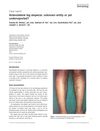 September 2018 in “International Journal of Dermatology”
 Anterolateral leg alopecia is a benign, nonprogressive hair loss condition on the lower legs that is not well understood and may resolve on its own.

Baldness is often hereditary and linked to male hormones, becoming noticeable when half the hair is lost.