 August 2022 in “RECISATEC”
 Female pattern hair loss is common, often starts in the 30s or 40s, worsens after menopause, and can negatively affect quality of life.
 October 2021 in “International journal of research in dermatology”
 No link between scalp patterns and alopecia severity in children, but more severe cases often had nail abnormalities.
 September 2021 in “CRC Press eBooks”
 Alopecia areata incognita causes sudden hair thinning, responds well to steroids, and is more common in those with genetic hair loss conditions.
 July 2015 in “Journal of the Dermatology Nurses’ Association”
 A 66-year-old woman experienced hair loss due to Frontal Fibrosing Alopecia, a condition with no consistently effective treatment, but it usually stabilizes over time. More research is needed for better understanding and treatment options.
 January 2014 in “Pathology”
 Non-scarring hair loss can be diagnosed with two 4mm punch biopsies, one cut vertically and the other transversely.
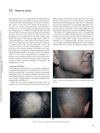 April 2012 in “Informa Healthcare eBooks”
 Alopecia areata is a common autoimmune condition causing varying hair loss, diagnosed by specific patterns of inflammation around hair follicles, with several treatment options available.
 September 1997 in “Journal of The European Academy of Dermatology and Venereology”
 Examining scalp tissue under a microscope helps diagnose and understand hair loss diseases.
 January 2022 in “Klinicheskaya dermatologiya i venerologiya”
 Trichoscopy can diagnose hair loss by looking for common signs like uneven hair thickness, "yellow dots," and more thin hairs, which are found in both men and women.
 June 2016 in “American Journal of Cardiology”
 Hair loss may indicate higher risk of heart disease.

Platelet-rich plasma injections effectively treat hair loss in both men and women, increasing hair density with high patient satisfaction and no significant side effects.
 January 2012 in “Yearbook of Dermatology and Dermatologic Surgery”
 The study concluded that a 'Swiss cheese' pattern in hair follicles is a useful sign for diagnosing alopecia areata.
 4 citations
,
August 2007 in “PubMed”
4 citations
,
August 2007 in “PubMed” A woman lost all her body hair after hepatitis C treatment, but it started to grow back a year after stopping the treatment.
 4 citations
,
September 2019 in “Journal of Cosmetic Dermatology”
4 citations
,
September 2019 in “Journal of Cosmetic Dermatology” FUE megasession effectively treats severe hair loss with natural-looking results in one operation.
 3 citations
,
February 2022 in “Dermatology practical & conceptual”
3 citations
,
February 2022 in “Dermatology practical & conceptual” The study concludes that early diagnosis of Frontal Fibrosing Alopecia is important, as it is often found in postmenopausal women, may be related to Lichen Planopilaris, and eyebrow hair loss is a common sign.
2 citations
,
December 2023 in “International Journal of Dermatology” A unique type of hair loss mimics another condition but has minimal inflammation and specific immune cells present.
May 2021 in “Kahramanmaraş Sütçü İmam Üniversitesi Tıp Fakültesi Dergisi” Most women undergoing chemotherapy experience hair loss, and many cope by using wigs or bonnets.
July 2026 in “Journal of the American Academy of Dermatology” Upadacitinib is effective and safe for long-term treatment of alopecia areata, especially for those with an atopic background.

Centralized imaging provides more accurate and consistent hair loss measurements in alopecia areata.
February 2026 in “Veterinary Dermatology” Coat-type differences in Pomeranians affect Alopecia X diagnosis and treatment.
June 2025 in “Journal of Cosmetic Dermatology” Alopecia areata is linked to higher anxiety and depression, especially in younger women in certain countries.
September 2023 in “Journal of the American Academy of Dermatology” Increased Treg cells and IL-10 may help quick recovery in acute diffuse and total alopecia.
 July 2023 in “Australasian Journal of Dermatology”
 The analysis found that alopecia areata, a hair loss condition, is not very common in Australia, affecting about 0.13% of people, with new cases most often seen in males aged 19 to 34 years.

Screening for iron levels in patients with hair loss may help find a genetic iron overload condition early.
 January 2022 in “Przegla̧d dermatologiczny”
 The document concludes that there are various treatments for diseases linked to scarring hair loss, especially for primary scarring alopecia.
 April 2025 in “International Journal of Clinical Research and Reports”
 Lifestyle changes can significantly improve hair loss in overweight women with PCOS.
 June 2023 in “Zenodo (CERN European Organization for Nuclear Research)”
 Inflammation in hair follicles is a key risk factor for developing common baldness.
January 2004 in “DOAJ (DOAJ: Directory of Open Access Journals)” Men with androgenetic alopecia do not have elevated DHEA-S levels.
 April 2012 in “Journal of IMAB”
 Men with male pattern baldness don't necessarily have high levels of Dehydroepyandrosterone-sulfate, and there's no link between its levels and the severity of hair loss.
 11 citations
,
June 2020 in “Dermatologic Therapy”
11 citations
,
June 2020 in “Dermatologic Therapy” PRP treatment improves hair density and diameter in women with androgenetic alopecia.
 May 2025 in “Anadolu Kliniği Tıp Bilimleri Dergisi”
 Gene variations may increase oxidative stress in male pattern baldness.