 May 2023 in “Sučasna pedìatrìâ. Ukraïna”
 An 11-year-old child with total hair loss may have a genetic autoimmune disease, and the outlook for hair regrowth is not good.
 February 2023 in “Cosmoderma”
 An infant with complete hair loss was diagnosed with a genetic disorder affecting hair growth.
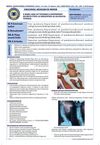 January 2023 in “PARIPEX INDIAN JOURNAL OF RESEARCH”
 Vitamin D Dependent Rickets Type-2A can cause complete hair loss and bone growth issues in infants.
June 2022 in “Zenodo (CERN European Organization for Nuclear Research)” A holistic treatment method effectively treated alopecia totalis without major side effects.
 June 2022 in “Indian Dermatology Online Journal”
 A man with total hair loss developed blackhead-like spots on his scalp, possibly because no hair was present to help drain oils.
March 2022 in “Authorea (Authorea)” Chemotherapy for leukemia led to full hair regrowth in a child with alopecia totalis.
 January 2022 in “Open Access Macedonian Journal of Medical Sciences”
 A 5-year-old boy with alopecia totalis had temporary hair regrowth with treatment but relapsed, highlighting the need for thorough investigation and holistic care.
 January 2022 in “Skin appendage disorders”
 A woman with alopecia totalis regrew dark hair in bands after using a corticosteroid ointment.
 November 2020 in “Dubai medical journal”
 Tofacitinib may effectively regrow hair in alopecia totalis patients.
September 2020 in “Zenodo (CERN European Organization for Nuclear Research)” Childhood alopecia totalis is hard to treat, with few effective therapies available.
 August 2020 in “Ugeskrift for Læger”
 A man with severe hair loss regrew all his hair using tofacitinib and stayed healthy for a year.
June 2020 in “Journal of skin and stem cell” The patient's hair loss from alopecia totalis returned despite initial successful treatment.
 April 2020 in “Trends in Immunotherapy”
 Combining triamcinolone acetonide and immunotherapy can help regrow hair in some alopecia totalis patients.
Topical calcipotriol successfully treated hair loss in three patients with Alopecia Totalis.
 March 2019 in “Applied sciences”
 Laser therapy might help regrow hair in alopecia totalis better than steroids alone.
 August 2018 in “Journal of the American Academy of Dermatology”
 Tofacitinib is a potential alternative treatment for alopecia totalis, especially in patients with a shorter duration of the condition and more preserved hair follicles, but the overall response rate is low.
January 2018 in “Springer eBooks” Alopecia totalis/universalis is a severe form of hair loss where all body hair is lost.
 April 2017 in “Childhood Kidney Diseases”
 Azathioprine can cause severe blood issues and hair loss, needing careful monitoring and possible discontinuation.
January 2017 in “DOAJ (DOAJ: Directory of Open Access Journals)” Botulinum toxin type A did not help regrow hair in severe alopecia cases.
January 2016 in “Hair therapy & transplantation” Hair UpTM effectively and safely promotes hair regrowth, especially in minors.
 January 2015 in “Dermatology online journal”
 A man with total hair loss also developed a rare nail condition, likely due to autoimmune issues.

Higher doses of prednisone and triamcinolone acetonide successfully treated 8 out of 10 alopecia totalis patients.
October 2024 in “Journal of Pakistan Association of Dermatologists” Tofacitinib helped a 21-year-old regrow hair after alopecia totalis.
 14 citations
,
June 2019 in “Dermatologic therapy”
14 citations
,
June 2019 in “Dermatologic therapy” PRP did not significantly regrow hair in alopecia areata totalis patients.
Improving oral health may help hair regrowth in children with alopecia areata.
 October 2014 in “Aktuelle Dermatologie”
 A 19-year-old with MRKHS developed complete hair loss, and treatment options were discussed.

The patient with total hair loss did not regrow hair despite treatment, indicating a poor outlook for this type of hair loss.
105 citations
,
December 1995 in “British journal of dermatology/British journal of dermatology, Supplement” PUVA treatment is generally ineffective for alopecia areata.
39 citations
,
April 2003 in “Australasian journal of dermatology” PUVA treatment led to significant hair regrowth in over half of the patients with alopecia areata totalis and universalis.
16 citations
,
March 2015 in “Dermatologic therapy” Zinc supplementation may be an important part of treating severe hair loss.