January 2025 in “Dermatology Online Journal” The man's hair loss and skin papules were diagnosed as atrichia with papular lesions, not alopecia areata universalis.
 October 2021 in “Rheumatology Science and Practice”
 TNF-α inhibitors may cause complete hair loss in some patients with ankylosing spondylitis.
 October 2021 in “Dermatology practical & conceptual”
 High-dose corticosteroids can significantly regrow hair in severe alopecia areata.
105 citations
,
December 1995 in “British journal of dermatology/British journal of dermatology, Supplement” PUVA treatment is generally ineffective for alopecia areata.
39 citations
,
April 2003 in “Australasian journal of dermatology” PUVA treatment led to significant hair regrowth in over half of the patients with alopecia areata totalis and universalis.
 37 citations
,
January 2010 in “International Journal of Trichology”
37 citations
,
January 2010 in “International Journal of Trichology” Bimatoprost helped eyelash growth in nearly half of the patients with a type of eyelash hair loss.
15 citations
,
November 2009 in “Journal of diabetes and its complications” Patients with Type 1 diabetes should be screened for pernicious anemia.
10 citations
,
January 2013 in “International Journal of Trichology” Systemic steroids effectively treated severe nail issues in a card illusionist with alopecia areata.
8 citations
,
August 2012 in “Archives of dermatology” Psoriasis can cause hair growth in areas affected by alopecia areata.
 7 citations
,
January 2009 in “Immunological investigations”
7 citations
,
January 2009 in “Immunological investigations” A 3-year-old boy lost all his hair due to a rare reaction to phenobarbital, but it grew back after steroid treatment.
5 citations
,
May 2015 in “The Journal of Dermatology” Topical corticosteroids can help treat severe alopecia areata when other treatments fail.
January 2026 in “JAAD International” Baricitinib effectively promotes beard regrowth in most men with alopecia areata universalis.
 August 2024 in “Journal of the American Academy of Dermatology”
 Baricitinib effectively promotes hair regrowth in both scalp and nonscalp areas for alopecia areata universalis patients.
July 2024 in “GLOBAL JOURNAL FOR RESEARCH ANALYSIS” A 24-year-old man developed both alopecia areata universalis and type 1 diabetes at the same time, which is rare.
 January 2024 in “Revista de la Asociación Colombiana de Dermatología y Cirugía Dermatológica/Revista de la Asociacion Colombiana de Dermatologia y Cirugia Dermatologica”
 Baricitinib successfully treated severe hair loss.
June 2022 in “Journal of Pakistan Association of Dermatologists” Combination therapy effectively regrows hair in severe alopecia areata.
1 citations
,
January 2015 in “Acta Dermato Venereologica” Autoimmune myopathy may be linked to hair loss and skin depigmentation.
14 citations
,
June 1989 in “Journal of dermatology” Three siblings had both Vohwinkel's disease and congenital alopecia, with no effective treatment.
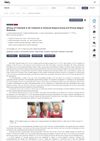
Tofacitinib may effectively treat hair loss and improve symptoms in autoimmune conditions like alopecia areata and Sjögren's syndrome, but long-term treatment might be necessary.
COVID-19 may trigger or worsen rapid hair loss in alopecia areata.
 January 2021 in “Anais do Congresso Brasileiro de Reumatologia 2020”
 Tofacitinib improved arthritis and partially improved hair loss in a lupus patient without side effects.
 1 citations
,
December 2022 in “JAMA Dermatology”
1 citations
,
December 2022 in “JAMA Dermatology” The AI system HairComb accurately scores hair loss severity, matching dermatologist assessments.
2 citations
,
January 2025 in “Journal of Clinical Immunology” 2 citations
,
May 2024 in “International Journal of Dermatology” 1 citations
,
October 2017 in “Allergology International” July 2026 in “Journal of the American Academy of Dermatology” 11 citations
,
December 2011 in “The Journal of Dermatology” July 2026 in “Journal of Investigative Dermatology” July 2026 in “Journal of the American Academy of Dermatology” 78 citations
,
July 1984 in “Journal of Investigative Dermatology”