Search
forProducts matching "alpecin c1"
Tracking 2 products like 318 Alpecin C1 Caffeine Shampoo and 318 Alpecin C1 Caffeine Shampoo from by companies like Amazon and oxfordon line pharmacy. View all 2 products »
Sort by
Research
450-480 / 1000+ resultsresearch An epidemiological study of 97 cases of primary cicatricial alopecia in Iran
Middle-aged women in Iran are most affected by primary cicatricial alopecia, especially discoid lupus erythematous.
research Alcoholic Extract of Eclipta alba Shows In Vitro Antioxidant and Anticancer Activity without Exhibiting Toxicological Effects
Eclipta alba extract may help fight cancer and has antioxidant benefits without being toxic.
research Overexpression of aldo-keto reductase 1C3 (AKR1C3) in LNCaP cells diverts androgen metabolism towards testosterone resulting in resistance to the 5α-reductase inhibitor finasteride
Too much AKR1C3 enzyme causes resistance to finasteride by increasing testosterone.
research 42004 Scalp, eyebrow, and eyelash hair regrowth with continued ritlecitinib treatment among patients with alopecia areata without target efficacy response at Week 24: post hoc analysis of the ALLEGRO phase 2b/3 study
Continued ritlecitinib treatment can lead to hair regrowth in some patients with alopecia areata who initially don't respond.
research 72751 Janus Kinase Inhibitors for Alopecia Universalis: A Systematic Review
research مقایسه سطح سرمی روی, ویتامین دی، فریتین و سلنیوم در بیماران مبتلا به آندروژنیک آلوپسیا و گروه کنترلcomparison of serumic level of zinc, ferritin, selenium & vit D in androgenic alopecia patients with control group
The levels of zinc, vitamin D, ferritin, and selenium are different in people with androgenic alopecia compared to a control group.
research TRICHOSCOPY IN ALOPECIA AREATA : A SUPER TOOL FOR DIAGNOSIS
Trichoscopy is a useful and affordable tool for diagnosing Alopecia areata.
research Efficacy and safety of ritlecitinib in adolescents with alopecia areata: Results from the ALLEGRO phase 2b/3 randomized, double‐blind, placebo‐controlled trial
Ritlecitinib effectively regrows hair in adolescents with alopecia areata and is safe.
research Real-World Effectiveness, Safety, and Tolerability of Cetosomal Minoxidil 5% Alone and a Fixed Drug Combination of Cetosomal Minoxidil 5% With Finasteride 0.1% in the Management of Androgenetic Alopecia (Inbilt Study)
Cetosomal minoxidil alone and with finasteride is effective and well-tolerated for hair loss treatment.
research PA31 Congenital alopecia areata: a systematic review
Congenital alopecia areata may have genetic links and topical corticosteroids are an effective treatment.
research 307 Computer-assisted epitope prediction revealed potential autoantigens associated with human alopecia areata
Melanogenesis-related proteins may trigger immune responses in alopecia areata patients.
research Coquetel de Fatores de Crescimento Incluindo Fator 9 de Crescimento de Fibroblastos (Cellcurin) Sérum no Tratamento da Alopecia Androgenética
Cellcurin serum significantly increased hair growth in people with androgenetic alopecia.
research Evaluation of serum G protein-coupled estrogen receptor 1 (GPER-1) levels in patients with androgenetic alopecia
Alopecia patients have less GPER-1, which might affect hair loss.
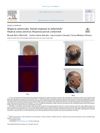
research Alopecia universalis. Partial response to tofacitinib
Tofacitinib partially improved hair regrowth in a patient with severe hair loss.
research A new combination of molecules for the treatment of androgenetic alopecia and telogen effluvium: a double-blind randomized, monocentric, placebo-controlled study
The combination of arginine and zinc reduces hair loss and increases hair growth effectively.
research Focal Alopecia
research 26-SNP Panel Aids Guiding Androgenetic Alopecia Therapy and Provides Insight into Mechanisms of Action
Genetic profiling can improve androgenetic alopecia treatment by predicting drug response and minimizing side effects.
research 0192 Estrogenic effects of 5-alpha-reductase inhibitors in male androgenetic alopecia patients
research The Clinical Efficacy and Mechanism of Action of Alitretinoin in the Treatment of Alopecia Areata
Alitretinoin may help treat mild to moderate alopecia areata.
research Topical Immunotherapy with Diphenylcyclopropenone in Paediatric Patients with Alopecia Areata—A Retrospective Study of 97 Patients
Topical immunotherapy with DPCP led to some hair regrowth in most pediatric alopecia areata patients, especially those with milder cases and longer treatment.
research Hair Growth Promoting and Anticancer Effects of p21-activated kinase 1 (PAK1) Inhibitors Isolated from Different Parts of Alpinia zerumbet
Compounds from Alpinia zerumbet may help with hair regrowth and cancer treatment by targeting PAK1.
research Genomewide analysis of copy number variants in alopecia areata in a Central European cohort reveals association with MCHR2
MCHR2 gene duplications may be linked to alopecia areata.
research Role of alkaline ceramidase 1 (Acer1) in regulating epidermal homeostasis and tumorigenesis
Acer1 is essential for skin health and affects hair growth and skin cancer risk.
research androgenetic alopecia, n.
The document's conclusion cannot be determined from the provided text.
research Natural Product-InspiredBis(trifluoromethyl) PhenylHydroxycinnamate Derivatives as Promising Nonsteroidal Inhibitorsof Human Steroid 5α-Reductase Type-1: Synthesis, InVitro, and In Silico Studies
Certain hydroxycinnamate derivatives may effectively inhibit enzymes linked to hair loss with low toxicity.
research Efficacy and safety of baricitinib in patients with alopecia areata: evidence to date
Baricitinib is a promising treatment for alopecia areata.
research A NEW COMBINATION OF KNOWN AGENTS FOR TREATMENT OF ALOPECIA AREATA: A CASE-SERIES STUDY.
Freezia cream helps regrow hair in people with Alopecia Areata.
research 42173 Racial and ethnic disparities in androgenetic alopecia clinical trials in the USA
Clinical trials for hair loss in the USA show differences in participation among different races and ethnic groups.
research Real‐life effectiveness and safety of baricitinib in patients with severe alopecia areata: A 24‐week Italian study
Baricitinib effectively reduces hair loss in severe alopecia areata with mild side effects.