3 citations
,
November 2005 in “British Journal of Dermatology” A man with alopecia universalis regrew hair temporarily after a bone treatment.
November 2025 in “Journal of Investigative Dermatology” Certain CD8+ T cells attack hair follicles in alopecia areata, suggesting they could be targeted for treatment.
 May 2020 in “JAAD case reports”
 Using anthralin and calcipotriene together might help treat tough cases of alopecia areata, but more research is needed to understand how it works.

The zinc-doped nanocomposite helps heal bone tissue effectively.
 4 citations
,
March 2016 in “Dermatologic Surgery”
4 citations
,
March 2016 in “Dermatologic Surgery” PRP treatment increased hair density, especially in men and younger patients with AGA.
 May 2023 in “Journal of Cosmetic Dermatology”
 Using platelet-rich plasma, basic fibroblast growth factor, and minoxidil together significantly increases hair count and growth rate in people with hair loss.
August 2015 in “Europe PMC (PubMed Central)”  5 citations
,
March 2012 in “Clinical and Experimental Dermatology”
5 citations
,
March 2012 in “Clinical and Experimental Dermatology” A woman experienced temporary hair loss after taking albendazole, which resolved on its own within 3 months.
Digit ratio likely doesn't predict male hair loss.
1 citations
,
September 2023 in “Journal of the American Academy of Dermatology” Mini pulse corticosteroid therapy with oral dexamethasone is effective and has fewer side effects for treating extensive alopecia areata.
October 2025 in “Figshare” Deuruxolitinib effectively treats alopecia areata but may cause manageable side effects.
 February 2026 in “SHILAP Revista de lepidopterología”
 Engineered exosomes with EGF and FGF improve hair growth in mice with hair loss.
 January 2008 in “Annals of Nutrition and Metabolism”
 Parthenolide promotes hair growth in mice and may influence pathways related to male pattern baldness.
13 citations
,
November 2015 in “Gene” Let-7b helps alpaca hair grow by reducing TGFβR I protein.
 19 citations
,
May 2020 in “Journal of The American Academy of Dermatology”
19 citations
,
May 2020 in “Journal of The American Academy of Dermatology” Low-dose oral minoxidil improves hair growth in male hair loss.
 April 2018 in “The journal of investigative dermatology/Journal of investigative dermatology”
 miR-486 may help prevent hair loss in alopecia areata.
 April 2024 in “Biomedicine & pharmacotherapy”
 Pilose antler extract helps hair grow in mice with a type of hair loss by speeding up the growth phase.
54 citations
,
December 2004 in “PubMed” Cyclosporin A vesicles effectively regrow hair and reduce inflammation in alopecia areata.
 January 2025 in “Lasers in Surgery and Medicine”
 Combining fractional CO2 laser with minoxidil is more effective for hair growth in alopecia areata than minoxidil alone.
 April 2016 in “Journal of The American Academy of Dermatology”
 People with hair loss have low zinc levels; zinc supplements and laser therapy may help.
 February 2026 in “Archives of Dermatological Research”
 Microneedle-delivered polyglutamate effectively and safely improves hair growth in androgenetic alopecia.
 1 citations
,
July 2020 in “Revista Cereus”
1 citations
,
July 2020 in “Revista Cereus” Using growth factors with microneedling is effective for treating hair loss.
 April 2026 in “Dermatology Practical & Conceptual”
 AMT may be more effective than finasteride for hair growth in androgenetic alopecia.

Platycladi Cacumen may help treat hair loss by targeting specific proteins and pathways.
 June 2023 in “QJM: An International Journal of Medicine”
 Laser treatment combined with platelet-rich plasma is more effective for hair loss than laser treatment alone.
 November 2025 in “Aurum Revista Multidisciplinar”
 Microneedling with growth factors effectively increases hair density in androgenetic alopecia.
 September 2018 in “International Journal of Dermatology”
 People with alopecia areata often have lower levels of zinc and vitamin D.
 3 citations
,
November 1999 in “Journal of Cutaneous Medicine and Surgery”
3 citations
,
November 1999 in “Journal of Cutaneous Medicine and Surgery” AGA is a genetic, hormonal hair loss treated with finasteride, minoxidil, and supplements, but new compounds are being developed.
 May 2026 in “Theranostics”
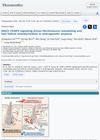
 Targeting DKK3–CKAP4 can help reverse hair loss in androgenetic alopecia.
1 citations
,
September 2024 in “Journal of the American Academy of Dermatology” Farudodstat may effectively treat alopecia areata without harmful side effects.