Kerascalp hair serum was found to be safe and effective in improving hair growth and strength in people with mild to moderate hair loss.
 205 citations
,
April 2013 in “British Journal of Dermatology”
205 citations
,
April 2013 in “British Journal of Dermatology” Platelet-rich plasma treatment significantly increased hair regrowth and decreased discomfort in alopecia patients, making it a potentially better and safer treatment option.
January 2021 in “Journal of cosmetology & trichology” PRP therapy can be effective for early-stage common hair loss, with most patients seeing improvement, but there are inconsistencies in treatment methods.
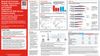 November 2025 in “SKIN The Journal of Cutaneous Medicine”
 Baricitinib helps regrow scalp, eyebrow, and eyelash hair in teens with severe alopecia areata.
Baricitinib effectively treats alopecia areata, with over half of patients improving after 52 weeks.
 December 2023 in “Journal of health and rehabilitation research”
 Oral Apremilast effectively treats alopecia areata in most patients.
1 citations
,
May 2025 in “Journal of the European Academy of Dermatology and Venereology” Ritlecitinib and baricitinib are effective for alopecia areata, but more research is needed to determine which is better.
 February 2026 in “Scientific Reports”
 Platycladi Cacumen may help treat hair loss by affecting certain biological pathways.
16 citations
,
May 2022 in “New England Journal of Medicine” Baricitinib is not very effective for severe alopecia areata.
 February 2022 in “Programa de Iniciação Científica - PIC/UniCEUB”
 Both Minoxidil and PRP are effective for male pattern baldness treatment.
33 citations
,
February 1990 in “Journal of the American Academy of Dermatology” Topical cyclosporine led to significant hair growth in some men with male pattern baldness.
Millet extract, wheat germ oil, L-cystine, and calcium pantothenate reduced hair loss and improved hair growth in women with diffuse alopecia.
May 2025 in “OPAL (Open@LaTrobe) (La Trobe University)” Linoleic acid and magnesium are key in alopecia areata progression, and tofacitinib can help by affecting their pathway.
May 2025 in “OPAL (Open@LaTrobe) (La Trobe University)” Linoleic acid and magnesium are key in alopecia areata progression, and tofacitinib can help by affecting their pathway.
3 citations
,
July 2024 in “Archives of Dermatological Research” Oral ritlecitinib and baricitinib are promising treatments for severe alopecia areata due to their balance of effectiveness and safety.
July 2025 in “SKIN The Journal of Cutaneous Medicine” Ritlecitinib effectively improves hair regrowth and physician satisfaction in severe alopecia areata over time.
 1 citations
,
September 2022 in “KnE medicine”
1 citations
,
September 2022 in “KnE medicine” Candlenut oil hair tonic helps mice grow hair, with higher oil concentration giving better results.
1 citations
,
February 2018 in “Psicologia e Saúde em Debate” The caffeine shampoo formulation is stable and suitable for treating hair loss.
July 2026 in “Journal of Investigative Dermatology” Tanshinone Capsule may help regrow hair by boosting specific cell signals.
18 citations
,
January 2013 in “Evidence-based Complementary and Alternative Medicine” Aconiti Lateralis Preparata Radix helps mouse stem cells grow and turn into bone cells faster than usual methods.
 September 2024 in “Journal of the European Academy of Dermatology and Venereology”
 Baricitinib effectively reduces hair loss in severe alopecia areata with mild side effects.
2 citations
,
September 2024 in “Journal of Dermatological Treatment” Combining compound glycyrrhizin with minoxidil is more effective for alopecia areata than minoxidil alone.
December 2012 in “http://isrctn.org/>” 14 citations
,
September 2015 in “PubMed” Alopecia areata can be managed with various treatments, and severe cases should be referred to dermatologists.
November 2025 in “Journal of English Language and Education” Guava leaf extract hair tonic is safe, well-liked, and may help strengthen hair and scalp.
 1 citations
,
July 2025 in “SKIN The Journal of Cutaneous Medicine”
1 citations
,
July 2025 in “SKIN The Journal of Cutaneous Medicine” Ritlecitinib is effective and safe for long-term treatment of alopecia areata.
February 2026 in “Clinical Traditional Medicine and Pharmacology” Both Unani treatments effectively reduced hair shedding in Telogen Effluvium.
Ritlecitinib improves hair regrowth in alopecia areata without increasing adverse risks.
May 2024 in “Journal of the Egyptian Womenʼs Dermatologic Society” Diphenylcyclopropenone is effective and safe for treating severe alopecia areata in children, with maintenance therapy reducing relapse risk.
 January 2024 in “http://isrctn.com/”
 Teak leaf extract hair tonic was tested for hair growth and safety.