6 citations
,
March 2024 in “SKIN The Journal of Cutaneous Medicine” Ritlecitinib is effective for long-term treatment of severe alopecia areata.
 November 2023 in “Research Square (Research Square)”
 Combining calcipotriol and PRP is most effective for treating Alopecia Areata.
December 2012 in “http://isrctn.org/>” Avicennia Marina extract and avicequinone C can reduce hair loss hormone production and increase hair growth factors, suggesting they could be used to treat androgenic alopecia.
September 2024 in “Colloids and Surfaces B Biointerfaces” Cedrol nanoemulsions effectively treat hair loss by promoting hair growth and reducing DHT levels safely.
January 2025 in “Figshare” Compound glycyrrhizin combined with conventional treatments effectively and safely promotes hair regrowth in alopecia areata patients.
 May 2026 in “Clinical Cosmetic and Investigational Dermatology”
 The buffy coat method slightly outperformed apheresis in patient-reported hair improvement for treating hair loss.
 July 2018 in “International Journal of Research in Medical Sciences”
 Platelet rich plasma was slightly more effective than no treatment for hair loss in alopecia areata patients.
March 2020 in “Upravlìnnâ, ekonomìka ta zabezpečennâ âkostì v farmacìï” The "Flavosterol" emulgel meets quality standards for treating hair loss.
2 citations
,
January 2025 in “Naunyn-Schmiedeberg s Archives of Pharmacology” Nanostructured lipid carriers can improve alopecia treatment by enhancing drug delivery and promoting hair growth.
 5 citations
,
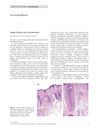
March 2012 in “Clinical and Experimental Dermatology”
5 citations
,
March 2012 in “Clinical and Experimental Dermatology” A woman experienced temporary hair loss after taking albendazole, which resolved on its own within 3 months.
 115 citations
,
January 2014 in “Journal of Cutaneous and Aesthetic Surgery”
115 citations
,
January 2014 in “Journal of Cutaneous and Aesthetic Surgery” Platelet-rich plasma (PRP) is a cheap and easy treatment for hair loss, but not suitable for everyone. It also helps in healing ulcers, rejuvenating skin, and improving hair transplants.
 21 citations
,
June 2019 in “Dermatologic Surgery”
21 citations
,
June 2019 in “Dermatologic Surgery” Platelet-rich plasma (PRP) treatment has been found effective in promoting hair growth for alopecia patients, with minimal side effects like temporary pain and redness.
 89 citations
,
November 2014 in “International Journal of Nanomedicine”
89 citations
,
November 2014 in “International Journal of Nanomedicine” Using nanostructured lipid carriers to deliver spironolactone could improve treatment for hair loss.
PRP may help with hair loss, but more research is needed.
 December 2024 in “Asian Journal of Pharmaceutical and Clinical Research”
 Adding PRP to minoxidil and finasteride is more effective for hair loss.
July 2022 in “British Journal of Dermatology” 
Combining Hebai formula with minoxidil improves hair growth and reduces hair loss better than minoxidil alone.
6 citations
,
January 2004 in “Der Hautarzt” 1 citations
,
February 2025 in “International Journal For Multidisciplinary Research” A new accurate method was developed to measure Minoxidil and Aminexil in solutions.
41 citations
,
November 2015 in “The journal of investigative dermatology. Symposium proceedings/The Journal of investigative dermatology symposium proceedings” Diphenylcyclopropenone (DPCP) can help regrow hair in many alopecia areata patients but may cause side effects and relapses.
 August 2025 in “Journal of Cosmetic Dermatology”
 The dietary supplement AGA-P improves the effectiveness of hair loss treatments.
 19 citations
,
January 2011 in “Clinics”
19 citations
,
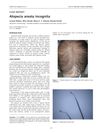
January 2011 in “Clinics” A young woman with a rare hair loss condition improved with steroid and biotin treatment.
1 citations
,
August 2024 in “Skin Health and Disease” Topical immunotherapy with DPCP led to some hair regrowth in most pediatric alopecia areata patients, especially those with milder cases and longer treatment.
109 citations
,
November 1987 in “Archives of dermatology” Anthralin cream helped 25% of patients with severe alopecia areata regrow hair, but caused skin irritation.
January 2019 in “11th World congress for hair research”  30 citations
,
January 2000 in “Dermatologic Clinics”
30 citations
,
January 2000 in “Dermatologic Clinics” Finasteride and minoxidil are effective FDA-approved treatments for androgenetic alopecia.
A new topical treatment for hair loss is effective and safe with faster results.
 October 2025 in “Dermatology and Therapy”
 Ritlecitinib is being tested for effectiveness and safety in treating severe alopecia areata.
 January 2022 in “International Journal of Health Science”
 Topical products, especially specific shampoos, are effective in treating androgenetic alopecia by delivering active ingredients to hair follicles and improving hair quality.