Search
for
Sort by
Research
270-300 / 1000+ resultsresearch Decision letter: Crosstalk with keratinocytes causes GNAQ oncogene specificity in melanoma
The microenvironment affects the behavior and survival of melanocytes with the GNAQ oncogene in melanoma.
research Melatonin-induced inhibition of melanogenesis in hair follicles in vitro [proceedings].
research Histopathologic Findings of Cutaneous Hyperpigmentation in Addison Disease and Immunostain of the Melanocytic Population
The study found increased skin pigmentation and variable melanocyte density in a patient with Addison's disease.
research Post-tyrosinase Inhibition of Melanogenesis by Melatonin in Hair Follicles in Vitro
research Microphthalmic-associated transcription factor integrates melanocyte biology and melanoma progression.
Mitf plays a key role in melanoma progression and is linked to disease stage.
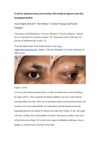
research Eyebrow Pilomatrixoma Presenting With Localized Alopecia and Skin Hypopigmentation
A pilomatrixoma in the eyebrow can cause hair loss and skin lightening.
research Non-pigmentary actions of alpha-melanocyte-stimulating hormone--lessons from the cutaneous melanocortin system.
Alpha-melanocyte-stimulating hormone helps manage skin inflammation and protect against UV damage.
research Activity evaluation of epidermo-melanin unit and dermal damage in melasma
Melasma results from changes in the skin's pigment and structure, not just pigment cell growth.
research Phosphatidylinositol 3-Kinase/Akt-Dependent and -Independent Protection Against Apoptosis in Normal Human Melanocytes
Normal human melanocytes can avoid cell death through multiple pathways.

research News in brief
Researchers discovered potential origins and new treatments for skin cancer, including biomarkers for melanoma and therapies that reduce tumor growth.

research Blood MUC-18/MCAM expression in patients with melanoma: a suitable marker of poor outcome
High MUC-18/MCAM levels in blood indicate a worse outlook for melanoma patients.

research Phylloid terminal hair nevus: A unique clinical entity
A baby had a unique skin condition with a pale patch and surrounding dark hairs, not linked to other health issues.

research In vitro Differentiation of Melanocyte Stem Cells Derived from Vitiligo Patients into Functional Melanocytes
Melanocyte stem cells from non-affected skin in vitiligo patients can become functional melanocytes for potential therapy.

research Repigmentation of leukoderma in a piebald patient associated with a novel c-KIT gene mutation, G592E, of the tyrosine kinase domain
A new gene mutation may allow some piebaldism patients to regain skin color in white patches.

research Direct conversion of mouse and human fibroblasts to functional melanocytes by defined factors
Fibroblasts can be turned into melanocytes for potential skin treatments.

research 085 Autoantigen screening in C3H/HeJ mouse model of alopecia areata revealed high antigenicity of melanocyte-associated antigen epitopes
Melanocyte-associated antigens may play a key role in alopecia areata and could be targets for new treatments.

research Successful in situ 5-aminolevulinic acid photodynamic therapy in a 53-year-old female with cutaneous squamous cell carcinoma
Photodynamic therapy successfully treated skin cancer in a 53-year-old woman.
research 0959 Effects of M1 homeopathic complex on human melanoma cells
M1 homeopathic complex may help slow melanoma cell growth.
research Decision letter: Dynamics of nevus development implicate cell cooperation in the growth arrest of transformed melanocytes
Moles may stop growing due to cell cooperation, not just because of individual cell aging.

research 202 Automated assessment of tumor infiltrating lymphocytes informs mortality in thin melanoma
An automated system can predict death risk in thin melanoma by analyzing immune cells.
research Solitary, subcutaneous, fixed, firm, and fast-growing nodule
A man had a non-cancerous, fast-growing skin lump on his arm that was removed with surgery.
research Skin precancer.
Sun exposure and genetics increase skin cancer risk from precancerous lesions.
research Location and fine structure of melanocytes in human fetal scalp hair follicles.
Melanocytes in the outer root sheath are likely stem cells that grow fast but stay immature.
research Splenic melanosis during normal murine C57BL/6 hair cycle and after chemotherapy.
Chemotherapy reduces splenic melanin in mice.

research 1200 The biology of melanocytes
Melanocytes are cells that make skin and hair color and help protect skin from sun damage.

research Carvone Decreases Melanin Content by Inhibiting Melanoma Cell Proliferation via the Cyclic Adenosine Monophosphate (cAMP) Pathway
Carvone helps treat skin issues by reducing melanin and stopping harmful cell growth.

research Functionally distinct melanocyte populations revealed by reconstitution of hair follicles in mice
Only skin melanocytes, not other types, can color hair in mice.
research Repigmentation of Leukoderma by Minigrafts of Normally Pigmented, Autologous Skin
Transplanting small skin grafts can successfully repigment leukoderma.
research Disorders of Hair Pigmentation
Hair color is determined by melanin and can be affected by genetic conditions like albinism.