22 citations
,
September 2003 in “Journal of Investigative Dermatology” New mutations in the EBP gene cause CDPX2, affecting bones, skin, eyes, and hair, with females generally less affected than males.
16 citations
,
January 2010 in “Journal of Korean medical science/Journal of Korean Medical Science” A Korean boy's skin and digestive symptoms were caused by a rare genetic disorder that affects zinc absorption, and he got better with zinc supplements.
April 2012 in “Neuropediatrics” Trichothiodystrophy is a rare genetic disorder causing hair issues and sometimes linked to DNA repair defects.
 November 2024 in “The Journal of Cell Biology”
 Basement membrane changes are crucial for hair follicle development.
 14 citations
,
December 2010 in “Journal of human genetics”
14 citations
,
December 2010 in “Journal of human genetics” A Japanese patient with IFAP syndrome had a severe MBTPS2 gene mutation but showed milder symptoms than previously observed cases.
17 citations
,
September 2000 in “Journal of dermatology” A baby with a rare metabolic disorder developed a rash not cured by zinc alone, likely due to both zinc and amino acid deficiencies.
36 citations
,
March 2014 in “Cell death and differentiation” Disrupting β-catenin signaling in certain cells causes anorectal malformations.
43 citations
,
April 2010 in “Clinical genetics” Truncating mutations in the C2orf37 gene cause Woodhouse–Sakati syndrome.
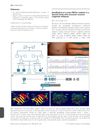 23 citations
,
December 2013 in “British Journal of Dermatology”
23 citations
,
December 2013 in “British Journal of Dermatology” A new gene mutation linked to a skin condition was found in a Spanish family.
 1 citations
,
September 2018 in “Australasian Journal of Dermatology”
1 citations
,
September 2018 in “Australasian Journal of Dermatology” A boy with GAPO syndrome had hair loss similar to male pattern baldness without hormone issues, possibly due to skin or blood vessel problems.
 12 citations
,
February 2008 in “Journal of The American Academy of Dermatology”
12 citations
,
February 2008 in “Journal of The American Academy of Dermatology” Combining skin tissue pathology with genetics has greatly improved the diagnosis and understanding of certain skin diseases.
 January 2025 in “Dermatology Practical & Conceptual”
 A new genetic model may improve treatment and diagnosis for certain inherited skin diseases.
80 citations
,
June 1997 in “The American Journal of Human Genetics”  1 citations
,
February 2013 in “InTech eBooks”
1 citations
,
February 2013 in “InTech eBooks” Genetic mutations cause various hair diseases, and whole genome sequencing may reveal more about these conditions.
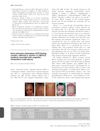 11 citations
,
September 2011 in “British Journal of Dermatology”
11 citations
,
September 2011 in “British Journal of Dermatology” New ABCA12 gene mutations were linked to a skin condition with scaling and hair loss, and a treatment helped with hair loss in a related case.
 1 citations
,
January 2019 in “International Journal of Medical Reviews and Case Reports”
1 citations
,
January 2019 in “International Journal of Medical Reviews and Case Reports” Treatment with moisturizers improved the skin condition of a girl with a rare genetic skin disorder.
 9 citations
,
February 2018 in “The Journal of Dermatology”
9 citations
,
February 2018 in “The Journal of Dermatology” A new mutation in the LIPH gene was found to cause a rare hair disorder in a Japanese boy.
1 citations
,
September 2021 in “Frontiers in genetics” A genetic mutation in the DCAF17 gene caused Woodhouse-Sakati syndrome in a Chinese patient from a related family.
December 1981 in “Pediatric Research” 18 citations
,
June 2016 in “Clinical and Experimental Dermatology” Increasing isoleucine intake improved skin and health issues in an infant with maple syrup urine disease.
139 citations
,
September 2001 in “The journal of investigative dermatology/Journal of investigative dermatology” Mutations in the Vitamin D receptor gene can cause hair loss similar to mutations in the Hairless gene.
17 citations
,
April 1997 in “American Journal of Dermatopathology” PC-associated alopecia has unique microscopic features.
 December 2025 in “Italian Journal of Anatomy and Embryology”
 Understanding embryologic layers improves skin disorder diagnosis and supports developing targeted therapies.
 29 citations
,
July 2014 in “PloS one”
29 citations
,
July 2014 in “PloS one” Meis1 is crucial for skin health and tumor development.
 May 2024 in “Animal genetics”
 A cat's poor wound healing was linked to a genetic deletion in the COL5A1 gene.
 100 citations
,
May 2011 in “Journal of Pediatric and Adolescent Gynecology”
100 citations
,
May 2011 in “Journal of Pediatric and Adolescent Gynecology” The document concludes that proper diagnosis and a multidisciplinary approach are crucial for managing Congenital Adrenal Hyperplasia effectively.
 April 2024 in “bioRxiv (Cold Spring Harbor Laboratory)”
 Removing Sprouty genes in mice causes various hormone-related issues but does not increase cancer risk by one year of age.
 1 citations
,
October 2022 in “Curēus”
1 citations
,
October 2022 in “Curēus” Diagnosing simple-virilizing congenital adrenal hyperplasia can be difficult and requires thorough testing and expert advice.
8 citations
,
May 2003 in “Clinical and Experimental Dermatology” A 14-year-old girl's black hair showed unique color changes, suggesting early greying.
 184 citations
,
September 2006 in “PLoS Genetics”
184 citations
,
September 2006 in “PLoS Genetics” The Apc gene is crucial for normal skin and thymus development.