34 citations
,
September 2010 in “Clinical and Experimental Dermatology” A new gene mutation linked to KID syndrome was found, expanding genetic knowledge.
175 citations
,
December 1980 in “Archives of Dermatology” Trichothiodystrophy is a condition with brittle hair and various physical and mental issues due to low sulfur in proteins.
 122 citations
,
June 2002 in “Genes & Development”
122 citations
,
June 2002 in “Genes & Development” Keratin 17 is crucial for early hair strength and cell survival.
1 citations
,
June 2016 in “Medicina” Monilethrix is a genetic disorder causing brittle hair, diagnosed using tricoscopy.
1 citations
,
October 2019 in “International Journal of Dermatology and Venereology” Zebrafish help understand genetic causes of skin pigment disorders like albinism.
6 citations
,
January 2022 in “BMC Medical Genomics” Different gene mutations cause different types of ichthyosis, with some new mutations found.
 October 2023 in “Case reports in dermatological medicine”
 A Jordanian family with Clouston syndrome has a common GJB6 gene mutation.
 September 2021 in “Mağallaẗ al-Muẖtar li-l-ʿulūm”
 Two sisters have rare hair disorders causing short, fragile, kinky hair.
 6 citations
,
August 2020 in “JCRPE”
6 citations
,
August 2020 in “JCRPE” A boy with a rare form of early puberty caused by a new gene mutation responded well to treatment aimed at reducing testosterone and preserving adult height.

Polarized microscopy helps identify hair irregularities in genetic disorders.
194 citations
,
November 2006 in “Science” A genetic mutation in the LIPH gene causes hair loss and growth defects.
 9 citations
,
August 1952 in “The Journal of Clinical Endocrinology & Metabolism”
9 citations
,
August 1952 in “The Journal of Clinical Endocrinology & Metabolism” A 17-year-old female with adrenogenital syndrome produces very high levels of androgens, which prevent complete feminization despite high estrogen doses.
A 12-year-old girl was misdiagnosed with alopecia areata but actually had a nevus sebaceus with a genetic mutation.
 April 2024 in “Indian Journal of Paediatric Dermatology”
 Congenital triangular alopecia and vitiligo can occur together, but treatment for one may not affect the other.
 June 2025 in “International Journal of Molecular Sciences”
 Targeting EMT and fibrotic remodeling may help treat androgenetic alopecia.
 July 2025 in “Journal of Investigative Dermatology”
 Miniaturized hair follicles in androgenetic alopecia show abnormal mitochondrial activity and damage.
14 citations
,
May 2022 in “Stem cell reports” The study created hair-bearing skin models that lack a key protein for skin layer attachment, limiting their use for certain skin disease research.
 8 citations
,
December 2009 in “Journal of The European Academy of Dermatology and Venereology”
8 citations
,
December 2009 in “Journal of The European Academy of Dermatology and Venereology” Researchers found a new mutation in the FERMT1 gene in a Spanish family with Kindler syndrome.
April 2024 in “Anais Brasileiros de Dermatologia”  January 2024 in “Australasian journal of dermatology (Print)”
 A boy's hair turned red because of genetic mutations, not lack of zinc.
130 citations
,
January 2000 in “Nature biotechnology”  85 citations
,
August 2015 in “Journal of Applied Genetics”
85 citations
,
August 2015 in “Journal of Applied Genetics” Mutations in specific genes disrupt development of sweat glands, teeth, hair, skin, and nails in HED.
 6 citations
,
January 2014 in “Clinical hemorheology and microcirculation”
6 citations
,
January 2014 in “Clinical hemorheology and microcirculation” Hereditary elliptocytosis causes elongated red blood cells and can lead to mild or no symptoms.
4 citations
,
January 1976 in “Archives of Dermatological Research” Metabolic disorders can cause hair structure defects and growth issues, but amino acid levels in hair remain normal.
4 citations
,
April 2012 in “The journal of investigative dermatology/Journal of investigative dermatology” Krt16-deficient mice help understand skin disorders like PC and FNEPPK.
12 citations
,
March 2011 in “Pediatric dermatology” An 18-year-old girl was diagnosed with a rare hereditary hair loss condition, despite no family history.
 6 citations
,
January 2013 in “Case reports in endocrinology”
6 citations
,
January 2013 in “Case reports in endocrinology” The document concludes that AFA should be considered in patients with acromegaly-like features but normal hormone levels, and more cases need to be identified to understand the condition fully.
 33 citations
,
December 2004 in “Differentiation”
33 citations
,
December 2004 in “Differentiation” Mouse amnion can turn into skin and hair follicles with help from certain cells and factors.
33 citations
,
October 2005 in “Journal of Investigative Dermatology” A specific gene mutation causes sparse, brittle hair in a family.
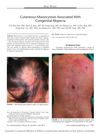 3 citations
,
February 2012 in “The American Journal of Dermatopathology”
3 citations
,
February 2012 in “The American Journal of Dermatopathology” A 3-year-old girl with skin mast cell buildup and congenital baldness improved with treatment, suggesting a rare link between these conditions.