65 citations
,
May 2001 in “Journal of Analytical Toxicology” Basic drugs like amphetamine are absorbed more in darker hair than lighter hair.
 2 citations
,
July 1988 in “JAMA”
2 citations
,
July 1988 in “JAMA” Amphetamines may not directly cause hair loss, as the type of thinning seen with their use differs from severe alopecia.
22 citations
,
February 2002 in “European Neuropsychopharmacology” Hair analysis for drugs in psychosis patients is unreliable due to varying hair growth rates.
1 citations
,
January 2013 in “Digital Scholarship - UNLV (University of Nevada Reno)” Targeting neurosteroids may help prevent drug relapse.
 30 citations
,
May 1991 in “Psychosomatics”
30 citations
,
May 1991 in “Psychosomatics” Some psychiatric medications can cause reversible hair loss.
20 citations
,
September 1995 in “PubMed” Many drugs can cause temporary hair loss, which usually stops when the drug is discontinued.
Forensic hair analysis for drugs is now more reliable and accurate.
Amphetamine use may not cause hair loss, "geezer" traits are normal aging, not all educated older people are stereotypes, and metronidazole can rarely cause lung disease.
Amphetamines may not directly cause hair loss.

research Hair
1 citations
,
April 2023 in “Elsevier eBooks” Hair analysis can detect drug use but is costly and interpretation is complex.
 1 citations
,
July 1988 in “JAMA”
1 citations
,
July 1988 in “JAMA” Metronidazole can cause lung disease.
 56 citations
,
June 1970 in “The BMJ”
56 citations
,
June 1970 in “The BMJ” Drug addicts often have scars, skin color changes, blocked veins, and bruising, with severe ulcers from barbiturate injections.
 1 citations
,
August 2006 in “International forensic science and investigation series”
1 citations
,
August 2006 in “International forensic science and investigation series” Hair testing is a reliable method for detecting workplace drug use when done with proper sample preparation and confirmation.
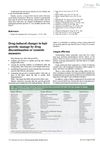 August 1994 in “Drugs & Therapy Perspectives”
 Some drugs can cause hair loss or growth, but hair usually returns to normal after stopping the drug.
 63 citations
,
October 1972 in “British Journal of Dermatology”
63 citations
,
October 1972 in “British Journal of Dermatology” Women with thinning hair have thinner hair strands than women without hair loss.
 39 citations
,
October 1967 in “British Journal of Dermatology”
39 citations
,
October 1967 in “British Journal of Dermatology” Hair loss in women often doesn't follow a pattern, isn't linked to age, may be genetic, and can be related to thyroid issues or other health factors.
 36 citations
,
March 2002 in “Journal of Biological Chemistry”
36 citations
,
March 2002 in “Journal of Biological Chemistry” Food deprivation increases MST enzyme in the brain, possibly affecting energy balance.
 32 citations
,
December 1969 in “The Lancet”
32 citations
,
December 1969 in “The Lancet” Children with marasmus have more resting hair follicles and thinner, less pigmented hair, showing long-term malnutrition.
 28 citations
,
May 2015 in “Addiction Biology”
28 citations
,
May 2015 in “Addiction Biology” Prenatal stress changes how male and female rats enjoy rewards differently, linked to sex hormones.
 22 citations
,
February 2008 in “Journal of Neurochemistry”
22 citations
,
February 2008 in “Journal of Neurochemistry” Minoxidil prevents serotonin loss from MDMA by affecting potassium channels and increasing Akt phosphorylation.
 17 citations
,
March 1985 in “Journal of The American Academy of Dermatology”
17 citations
,
March 1985 in “Journal of The American Academy of Dermatology” Minoxidil can lower blood pressure in some people.
 8 citations
,
October 2014 in “Journal of analytical toxicology.”
8 citations
,
October 2014 in “Journal of analytical toxicology.” Chemical hair straightening significantly reduces detectable drug levels in hair.
 3 citations
,
June 2002 in “Transgenic Research”
3 citations
,
June 2002 in “Transgenic Research” Scientists made a mouse that can be made to lose hair and then grow it back.
 1 citations
,
December 2018 in “IntechOpen eBooks”
1 citations
,
December 2018 in “IntechOpen eBooks” Human hair shows promise for non-invasive medical testing, but more research is needed to standardize its use.
 1 citations
,
November 2011 in “Journal of AIDS & Clinical Research”
1 citations
,
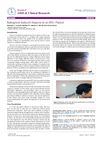
November 2011 in “Journal of AIDS & Clinical Research” Raltegravir may cause hair loss in some patients.
 January 2021 in “American Journal of Applied Sciences”
 Cut hair can help link suspects to crime scenes.
 February 2020 in “Scholars academic journal of pharmacy”
 The weight loss drug Orlistat can cause liver damage and should be used with caution, especially in those with liver or kidney issues.
 July 2003 in “Pediatrics in review”
 In 2001, the FDA approved 12 new drugs for children to treat allergies, asthma, ADHD, birth control, and other conditions.
 December 2023 in “International Journal of Science and Research (IJSR)”
 FUE is a safe and effective method for beard and moustache transplants.
 January 2022 in “International Journal of Science and Research (IJSR)”
 Certain medications can cause hair loss, which varies in severity and can be treated with specific drugs.