 138 citations
,
March 2001 in “Clinics in Dermatology”
138 citations
,
March 2001 in “Clinics in Dermatology” Hair loss can significantly affect a person's self-esteem and body image, especially in young people, those who value their looks highly, and women.
4 citations
,
October 2024 in “Tissue Engineering and Regenerative Medicine”  May 2026 in “AAPS PharmSciTech”
 PEGylated flavonoid Aspasomes improve brain protection and memory in stress-related disorders.
 5 citations
,
July 2020 in “Journal of Cosmetic Dermatology”
5 citations
,
July 2020 in “Journal of Cosmetic Dermatology” A vibrating anesthetic device significantly reduces pain during mesotherapy for hair loss without complications.
January 2025 in “TURKDERM” Alopecia areata patients experience more psychological distress, linked to certain neurotrophin levels.
December 2004 in “Neuropsychopharmacology” Long-term alcohol exposure alters brain receptor function differently in various brain regions.
 January 2024 in “Wiadomości Lekarskie”
 AI is transforming healthcare by improving diagnostics and therapy, despite challenges with data and trust.
28 citations
,
November 2009 in “European Journal of Neuroscience” Progesterone and allopregnanolone increase glycine release in rat brain cells.
 22 citations
,
March 2017 in “Scientific reports”
22 citations
,
March 2017 in “Scientific reports” Double-stranded RNA causes inflammation in hair follicle cells, which may help understand and treat alopecia areata.
 5 citations
,
January 2016 in “Stem Cells International”
5 citations
,
January 2016 in “Stem Cells International” Certain skin cells near the base of hair muscles may help renew and stabilize skin, possibly affecting skin disorder understanding.
 September 2023 in “Frontiers in Medicine”
 The scalp fat tissue of men with hair loss shows changes in gene activity that may contribute to their condition.
 May 2026 in “International Journal of Drug Delivery Technology”
 Adrenaline infiltration improves hair transplant efficiency and safety.
 July 2020 in “Hair transplant forum international”
 Androgens might play a role in the severity of COVID-19.
 September 1997 in “JEADV. Journal of the European Academy of Dermatology and Venereology/Journal of the European Academy of Dermatology and Venereology”
 Psychological factors play a significant role in developing alopecia areata.
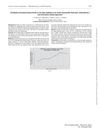 October 2022 in “European heart journal”
 Higher stress levels were found about two weeks before a heart attack.
 March 2013 in “Hair transplant forum international”
 Inflammation linked to the immune response may play a role in causing various types of hair loss.
 November 2024 in “Circulation”
 GLP1-RAs may have higher reports of suicide and hair loss, but no strong evidence links them to these issues.
 August 2025 in “Annals of Indian Psychiatry”
 Hair loss can affect mood, self-esteem, body image, and quality of life.
 5 citations
,
May 2021 in “Veterinary medicine and science”
5 citations
,
May 2021 in “Veterinary medicine and science” Injecting cosyntropin into grizzly bears increases blood cortisol but doesn't change hair cortisol levels.
New treatments for alopecia areata, like JAK inhibitors and immunomodulators, are promising.
 40 citations
,
November 2021 in “npj Regenerative Medicine”
40 citations
,
November 2021 in “npj Regenerative Medicine” Adult spiny mice recover better from heart attacks than common lab mice.
6 citations
,
January 2016 in “Open journal of regenerative medicine” Keratin treatment reduces astrocyte reactivity and inflammation.
October 2024 in “Frontiers in Immunology” Pertussis toxin may contribute to hair loss in alopecia areata.
 March 2021 in “The British Journal of Psychiatry”
 Countries with stricter cultures had fewer COVID-19 cases and deaths, paranoia is linked to false memories, psychosocial intervention works as well with or without antipsychotic drugs for young people with psychosis, smartphones can detect changes in behavior indicating illness relapse, and recruitment agents show regional and gender biases.
11 citations
,
January 2016 in “Molecular and Cellular Neuroscience” Chronic ethanol increases certain brain receptor levels, influenced by steroids and protein changes.
 9 citations
,
November 2020 in “Medical Hypotheses”
9 citations
,
November 2020 in “Medical Hypotheses” Hair loss may link to weaker COVID-19 immunity, suggesting possible need for extra vaccine boost.
4 citations
,
July 2025 in “International Journal of Molecular Sciences” Targeting amphiregulin may improve treatment for fibrosis and cancer.
2 citations
,
May 2025 in “The Journal of Dermatology” Alopecia areata causes significant stigma and emotional distress, with many affected individuals not receiving adequate support or treatment.
 24 citations
,
March 2017 in “Archives of Gynecology and Obstetrics”
24 citations
,
March 2017 in “Archives of Gynecology and Obstetrics” The study found that women with hyperandrogenic PCOS have higher levels of AKT1 and AKT2 proteins in their cells, which may lead to cell dysfunction.
June 2026 in “British Journal of Dermatology” Alopecia areata patients face significant mental distress, but psychological support is lacking.