 4 citations
,
January 2025 in “Translational Psychiatry”
4 citations
,
January 2025 in “Translational Psychiatry” Remote photobiomodulation improves brain injury outcomes and behavior in rats.
3 citations
,
April 2009 in “Congestive Heart Failure” Sympathetic activation and venous tone are crucial for heart failure symptoms.
December 2010 in “TSpace” Activating androgen receptors in muscle can increase muscle mass and reduce fat.
February 2024 in “Indian Dermatology Online Journal” Androgenic alopecia is linked to more severe COVID-19 and higher mortality.
September 2025 in “Stem Cell Research & Therapy” TAZ boosts fat cell formation in goat stem cells by activating a specific signaling pathway.
5 citations
,
May 2023 in “Frontiers in Cell and Developmental Biology” Integrin α6 helps identify different neural crest cell types in the skin.
47 citations
,
January 2016 in “Brain Behavior and Immunity” 5α-reduced progestogens may reduce mood issues and brain damage linked to HIV-1 Tat.
 October 2023 in “Journal of the Endocrine Society”
 A woman's cyclic Cushing syndrome was caused by a tumor in her adrenal gland that produced ACTH.
1 citations
,
January 2019 Higher testosterone in females with PCOS is linked to depression and cognitive issues, but anti-androgen treatment can help.
 January 2024 in “Wiadomości Lekarskie”
 AI improves medical care by enhancing diagnosis and treatment for better patient outcomes.
 July 2026 in “bioRxiv (Cold Spring Harbor Laboratory)”
 ACA2 is crucial for root hair growth by controlling calcium levels in cells.
September 2025 in “Journal of the American Academy of Dermatology” 8 citations
,
January 2024 in “Medical Principles and Practice” IGFBP5 may be a potential target for Parkinson's treatment by reducing neuron death.
4 citations
,
December 2021 in “Dermatologic Therapy” Mesotherapy for hair loss can cause temporary forehead swelling.
Ethanol changes GABAA receptor α4 subunit levels through phosphorylation and neuroactive steroids.
5 citations
,
April 2021 in “Journal of Mind and Medical Sciences” Fat, bone, and the brain are interconnected in regulating energy and health.
76 citations
,
July 2009 in “Neuroscience” Neurosteroids like allopregnanolone help control cell death and growth in the developing fetal brain.
Thicker scalp fat may link hair loss with metabolic syndrome.
 4 citations
,
November 2022 in “Frontiers in Medicine”
4 citations
,
November 2022 in “Frontiers in Medicine” People with alopecia areata are more likely to have anxiety and depression and a lower quality of life.

Adipocytes in atopic dermatitis skin change and worsen inflammation and fibrosis.
April 2008 in “Annals of General Psychiatry” Social isolation changes brain receptors and makes ethanol more impactful.
 February 2026 in “Journal of Integrative Neuroscience”
 NGF-modified hair follicle stem cells may help treat Alzheimer's by improving brain function and reducing harmful proteins.
3 citations
,
January 2017 in “Gynecological endocrinology” A postmenopausal woman's excess male hormone symptoms were caused by a rare adrenal gland tissue in her ovary.
 February 2024 in “Plant Cell Reports”
 AtVPS29 is essential for proper plant growth by regulating gibberellin signaling.
61 citations
,
September 2011 in “Pain” PEA reduces pain by increasing neurosteroid synthesis in the spinal cord.
 September 2013 in “Science”
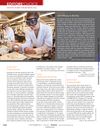
 Transplanted human Olig2+ astroglia may help improve learning and memory after a stroke.
1 citations
,
July 2019 in “Psychoneuroendocrinology” January 2011 in “McGraw-Hill eBooks” SAD patients show different brain activity patterns, which might help identify the disorder.
 9 citations
,
December 2023 in “Journal of Neuroimmune Pharmacology”
9 citations
,
December 2023 in “Journal of Neuroimmune Pharmacology” NDP-MSH protects brain cells and reduces inflammation in Parkinson's disease by activating MC1R and involving Tregs.