5 citations
,
February 1981 in “Experientia” A new gene causes hairlessness and skin cysts in rats.
 January 2023 in “Annals of Dermatology”
 Patients with a specific genetic variant have more severe alopecia areata and higher recurrence rates.
 January 2019 in “Current research in diabetes & obesity journal”
 A woman with type 2 diabetes developed alopecia areata, suggesting a link between the two autoimmune conditions.
 19 citations
,
January 2018 in “Scientific Reports”
19 citations
,
January 2018 in “Scientific Reports” Non-immune factors play a significant role in alopecia areata.
 4 citations
,
May 2019 in “Journal of The European Academy of Dermatology and Venereology”
4 citations
,
May 2019 in “Journal of The European Academy of Dermatology and Venereology” Hair loss treatment caused more hair loss in a man.
21 citations
,
December 1997 in “The Journal of Dermatology” Thymectomy and high-dose prednisolone improved hair loss in a woman with alopecia areata.
 April 2017 in “Journal of Investigative Dermatology”
 A boy with Oculodentodigital syndrome had a unique GJA1 gene mutation causing his symptoms.
11 citations
,
June 1974 in “Journal of Cutaneous Pathology” Follicular mucinosis causes significant damage to hair follicle cells.
164 citations
,
November 1989 in “Clinical and Experimental Dermatology” Juvenile alopecia areata is more severe and has a worse prognosis than maturity-onset alopecia areata.
July 2026 in “Journal of the American Academy of Dermatology” Alopecia areata patients have a higher risk of retinal issues, but routine eye checks should be symptom-based.
3 citations
,
April 2012 in “Journal of the American Academy of Dermatology” Men with Addison disease should be screened for X-linked adrenoleukodystrophy if they have hair loss.
5 citations
,
August 2012 in “Archives of Dermatology” The immune system can cause permanent skin and hair whitening by attacking pigment cells.
16 citations
,
July 2020 in “JAMA Dermatology” People with alopecia areata may have a higher risk of hearing loss.
July 2026 in “The Journal of Immunology” The study maps immune changes in mice with alopecia areata to better understand and treat the disease in humans.
 October 2022 in “JAAD case reports”
 A man with itchy skin lesions and weight loss was diagnosed with a rare skin condition linked to a pancreatic tumor.
2 citations
,
March 2025 in “Quantitative Imaging in Medicine and Surgery” Altered hypothalamic activity may contribute to stress in alopecia areata patients.
26 citations
,
April 2003 in “PubMed” Hair loss in two ferrets was caused by ovarian tissue tumors, not adrenal issues.
66 citations
,
July 2010 in “Journal of Proteome Research” Trichohyalin may trigger the immune response causing alopecia areata.
41 citations
,
May 2020 in “Frontiers in immunology” Hidradenitis suppurativa might be a type of autoinflammatory skin disease.
2 citations
,
April 2013 in “PubMed” Abnormal T-cells from thymomas cause non-motor symptoms in some myasthenia gravis patients.
 1 citations
,
October 2012 in “QJM”
1 citations
,
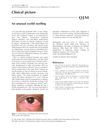
October 2012 in “QJM” A 47-year-old man's eyelid swelling didn't improve with basic treatments, so a biopsy was needed.
22 citations
,
October 2004 in “Journal of Investigative Dermatology” The gene causing hair loss and heart issues in rough coat mice is still unknown.
January 2025 in “Dermatology Online Journal” The man's hair loss and skin papules were diagnosed as atrichia with papular lesions, not alopecia areata universalis.
 3 citations
,
February 2012 in “The American Journal of Dermatopathology”
3 citations
,
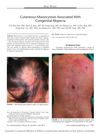
February 2012 in “The American Journal of Dermatopathology” A 3-year-old girl with skin mast cell buildup and congenital baldness improved with treatment, suggesting a rare link between these conditions.
 4 citations
,
May 2014 in “Javma-journal of The American Veterinary Medical Association”
4 citations
,
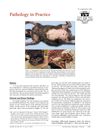
May 2014 in “Javma-journal of The American Veterinary Medical Association” The cat had liver cancer and a related hair loss condition, with a likely cause being bile duct cancer.
26 citations
,
January 1983 in “PubMed” Trichothiodystrophy involves brittle hair due to low sulfur amino acids, not a transport defect.
New treatments for alopecia areata, like JAK inhibitors and immunomodulators, are promising.
3 citations
,
October 2001 in “British Journal of Ophthalmology” An isolated episcleral plasmacytoma can mimic episcleritis, making diagnosis challenging.
 5 citations
,
May 2017 in “Journal of the European Academy of Dermatology and Venereology”
5 citations
,
May 2017 in “Journal of the European Academy of Dermatology and Venereology” The study found no significant difference in stress hormone levels between people with alopecia areata and healthy individuals, suggesting that the disease is not caused by an overactive stress response system.
 January 2025 in “Indian Journal of Paediatric Dermatology”
 Biopsy is crucial to correctly diagnose granuloma annulare, which can mimic other conditions like alopecia mucinosa.