July 2022 in “Journal of Investigative Dermatology” Arg1+ macrophages may play a role in Alopecia Areata, offering new treatment targets.
July 2019 in “Dermatology practical & conceptual” The study found that alopecia areata is strongly linked to autoimmune diseases and may indicate a genetic predisposition to such conditions.
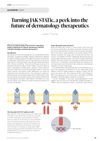 August 2024 in “New Zealand Medical Student Journal”
 JAK inhibitors show promise for treating skin diseases effectively and safely.
July 2023 in “International Journal of Rheumatic Diseases” Ulcerative sarcoidosis in body folds is rare and improved with prednisone and hydroxychloroquine.
January 2020 in “Dermatology Review” Early diagnosis and treatment are crucial for managing alopecia areata, morphea, and psoriasis.
17 citations
,
February 2001 in “Journal of the American Academy of Dermatology” Lithium can cause skin changes similar to mycosis fungoides.
11 citations
,
December 2017 in “Orphanet Journal of Rare Diseases” A new mutation in the ST14 gene broadens the understanding of ichthyosis-hypotrichosis syndrome.
15 citations
,
February 2011 in “Experimental Dermatology” Betamethasone dipropionate reduced skin thickness, fish oil increased it, and combined treatment had no significant effect.
September 2010 in “Middle East Journal of Digestive Diseases” Skin issues and diarrhea can signal ulcerative colitis, needing further checks.
5 citations
,
August 1981 in “Archives of Dermatology” Alopecia areata may be caused by the immune system attacking hair follicles.
 December 2020 in “Dermatología argentina”
 A patient got a skin reaction on their hands and feet after using secukinumab for psoriasis.
1 citations
,
January 2026 in “International Journal of Dermatology” Amivantamab can cause severe skin eruptions and scarring, requiring drug discontinuation and early treatment.
 December 2023 in “Intisari Sains Medis”
 SLE and DM can coexist but are rare and need careful evaluation.
 December 2025 in “Clinical Cosmetic and Investigational Dermatology”
 A rare lupus case on the chin was successfully treated with steroids and immunomodulators after accurate diagnosis using advanced imaging techniques.
 March 2023 in “Revista română de reumatologie”
 Skin problems are common in lupus, often appearing first, with various types and treatments, and careful monitoring is important for diagnosis and management.
 3 citations
,
May 2023 in “Frontiers in immunology”
3 citations
,
May 2023 in “Frontiers in immunology” Faulty inflammasome activation may lead to autoimmune skin diseases and could be a target for new treatments.
3 citations
,
September 2021 in “JAAD case reports” Denosumab, a bone loss treatment, may cause hair loss and skin reactions due to immune system effects.
September 2025 in “Frontiers in Immunology” Atopic dermatitis and alopecia areata share immune and genetic factors, and targeted therapies may help both.
1 citations
,
April 2024 in “JAAD International” Adults with alopecia areata stick to their medication better than those with atopic dermatitis.
 10 citations
,
April 2013 in “Veterinary dermatology”
10 citations
,
April 2013 in “Veterinary dermatology” A new skin disease in four Labrador retrievers responded well to immunosuppressive treatment.
44 citations
,
December 2005 in “Journal of Investigative Dermatology” Certain genetic markers, especially the MICA gene, are linked to alopecia areata.
19 citations
,
December 2021 in “Stem Cell Research & Therapy” Muse cells from human bone marrow help reduce symptoms of atopic dermatitis in mice.

Upadacitinib and oral minoxidil improved Crohn's disease and hair regrowth in a patient.
 5 citations
,
October 2015 in “The American journal of pathology”
5 citations
,
October 2015 in “The American journal of pathology” Mice with a mutated Dsg3 gene showed severe symptoms but not the typical blistering of pemphigus vulgaris.
 January 2023 in “Surgical & Cosmetic Dermatology”
 The patient quickly recovered from hair loss caused by DRESS syndrome using topical minoxidil.
 27 citations
,
March 2018 in “Allergy and asthma proceedings”
27 citations
,
March 2018 in “Allergy and asthma proceedings” People with alopecia areata often have higher rates of allergies and autoimmune diseases.
 18 citations
,
July 2001 in “Australian veterinary journal”
18 citations
,
July 2001 in “Australian veterinary journal” A cat with skin bumps and itching had high blood fats and skin infections, which improved with diet and medication changes.
January 2025 in “Genetics in Medicine Open” Biotinidase deficiency can mimic neuromyelitis optica and should be considered for accurate diagnosis and treatment.
 3 citations
,
July 2017 in “International journal of medicine”
3 citations
,
July 2017 in “International journal of medicine” Intralesional triamcinolone acetonide effectively treats alopecia areata, as shown by significant improvements in hair regrowth and dermoscopic indicators.

Lichen planopilaris can occur with multiple autoimmune diseases.