 August 2024 in “International Journal of Health Science”
 Telogen Effluvium (TE) significantly affects women due to stress and hormonal changes, requiring better public health policies and mental health support.
 June 2024 in “Archives of dermatological research”
 Dietary supplements might help prevent post-COVID hair loss, but serum ferritin is not a reliable indicator.
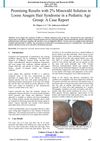 May 2023 in “International journal of science and research”
 2% minoxidil solution improved hair density and quality in children with Loose Anagen Hair Syndrome.
 May 2022 in “Acta Scientific Women's Health”
 A woman lost over 80% of her hair due to a condition called telogen effluvium after having COVID-19.
 January 2021 in “Journal of Pakistan Association of Dermatology”
 COVID-19 recovery can lead to temporary hair loss called telogen effluvium.
Trichosol™ with Minoxidil can boost hair growth by 20%.
 January 2018 in “International journal of medical biochemistry”
 Women with telogen effluvium have lower levels of iron, folate, and vitamin B12.
A woman had temporary hair loss due to stress from a spinal cord injury.
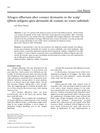
A patient experienced intense hair loss due to telogen effluvium after scalp contact dermatitis, but hair regrew completely within two months without further treatment.
 January 2021 in “Journal of cosmetology & trichology”
 The treatment improved hair growth and thickness in patients with hair loss, even 10 months after therapy without additional products.
 November 2024 in “Huisarts en Wetenschap”
 Telogen effluvium hair loss often resolves on its own in 3 to 6 months, but see a dermatologist if it persists.
 14 citations
,
September 2003 in “Archives of Dermatology”
14 citations
,
September 2003 in “Archives of Dermatology” Finasteride may not stop severe hair loss after stopping minoxidil.
 45 citations
,
October 2009 in “Dermatology”
45 citations
,
October 2009 in “Dermatology” Half of the patients treated with a specific drug for skin cancer experienced hair loss not related to the drug's dosage.
 40 citations
,
January 2010 in “International Journal of Trichology”
40 citations
,
January 2010 in “International Journal of Trichology” Loose Anagen Syndrome is a hair condition where hairs can be easily pulled out, mainly affecting young girls, and may improve on its own or with treatment.
 25 citations
,
October 1996 in “Dermatologic Clinics”
25 citations
,
October 1996 in “Dermatologic Clinics” Loose Anagen Syndrome causes easy-to-pull, thin hair, mainly in young girls, and improves with age.
 12 citations
,
June 2009 in “Journal of Cosmetic Dermatology”
12 citations
,
June 2009 in “Journal of Cosmetic Dermatology” Loose Anagen Hair syndrome occurs in dark-skinned children and often improves on its own.
 8 citations
,
January 2012 in “Dermatology”
8 citations
,
January 2012 in “Dermatology” The HPV vaccine may be linked to temporary hair loss in children, but the benefits outweigh the risks.
 27 citations
,
February 2017 in “Clinical, Cosmetic and Investigational Dermatology”
27 citations
,
February 2017 in “Clinical, Cosmetic and Investigational Dermatology” New compounds were found to help increase hair growth and decrease hair loss.
 18 citations
,
January 2016 in “Skin appendage disorders”
18 citations
,
January 2016 in “Skin appendage disorders” The paper suggests improving diagnosis and treatment of telogen effluvium but does not recommend a new classification system.
 162 citations
,
August 2004 in “Journal of Investigative Dermatology”
162 citations
,
August 2004 in “Journal of Investigative Dermatology” Hair loss causes stress and affects mental health; treatment and support needed.
 85 citations
,
February 1989 in “Journal of The American Academy of Dermatology”
85 citations
,
February 1989 in “Journal of The American Academy of Dermatology” Children with loose anagen hair have easily pluckable hair due to root sheath problems, and it might improve without treatment.
 55 citations
,
October 1992 in “Archives of Dermatology”
55 citations
,
October 1992 in “Archives of Dermatology” Loose Anagen Hair Syndrome is a hereditary condition causing hair loss in children due to abnormal hair follicles.
 51 citations
,
November 2020 in “Journal of the European Academy of Dermatology and Venereology”
51 citations
,
November 2020 in “Journal of the European Academy of Dermatology and Venereology” COVID-19 infection may cause significant hair loss, but full hair recovery is likely without special treatment.
 46 citations
,
October 2009 in “Archives of Dermatology”
46 citations
,
October 2009 in “Archives of Dermatology” Loose anagen hair syndrome, often affecting young girls, can be diagnosed with a hair-pull test and usually gets better on its own, but severe cases may need treatment.
 41 citations
,
November 2013 in “Experimental Dermatology”
41 citations
,
November 2013 in “Experimental Dermatology” Leptin, a hormone, is important for starting hair growth.
 17 citations
,
April 2016 in “Journal of Investigative Dermatology”
17 citations
,
April 2016 in “Journal of Investigative Dermatology” KB2115 (eprotirome) can safely extend the hair growth phase without damaging cells or changing hair color.
 16 citations
,
May 2013 in “Australasian Journal of Dermatology”
16 citations
,
May 2013 in “Australasian Journal of Dermatology” Hair loss in Cronkhite-Canada syndrome is reversible by treating the gut issues and doesn't need steroid treatment for the hair itself.
 15 citations
,
May 2020 in “BMC complementary medicine and therapies”
15 citations
,
May 2020 in “BMC complementary medicine and therapies” Polygonum multiflorum extract helps hair grow longer and fights the effects of hormones that cause hair loss.
 14 citations
,
January 2015 in “Skin appendage disorders”
14 citations
,
January 2015 in “Skin appendage disorders” Minoxidil treatment for hair loss can cause scalp allergy and severe hair loss.
 13 citations
,
March 2018 in “Pediatric Dermatology”
13 citations
,
March 2018 in “Pediatric Dermatology” Children with short anagen syndrome usually see their hair condition improve as they get older.