 22 citations
,
March 2017 in “Scientific reports”
22 citations
,
March 2017 in “Scientific reports” Double-stranded RNA causes inflammation in hair follicle cells, which may help understand and treat alopecia areata.
 13 citations
,
March 2020 in “Genes”
13 citations
,
March 2020 in “Genes” Disrupting the FGF5 gene in rabbits leads to longer hair by extending the hair growth phase.
 5 citations
,
September 2016 in “Journal of Cosmetic Dermatology”
5 citations
,
September 2016 in “Journal of Cosmetic Dermatology” Nourkrin® with Marilex® may increase hair count by 35.7% in postpartum hair loss.
 41 citations
,
June 2010 in “Journal of Investigative Dermatology”
41 citations
,
June 2010 in “Journal of Investigative Dermatology” New cells are added to the hair's dermal papilla during the active growth phase.
 20 citations
,
November 2019 in “Stem Cells”
20 citations
,
November 2019 in “Stem Cells” Hes1 protein is important for hair growth and regeneration, and could be a potential treatment for hair loss.
 14 citations
,
January 2017 in “Pharmacological Reports”
14 citations
,
January 2017 in “Pharmacological Reports” TP0427736 may help treat hair loss by blocking a specific protein and promoting hair growth.
 5 citations
,
October 1984 in “The BMJ”
5 citations
,
October 1984 in “The BMJ” Up to 50% of scalp hair can be lost before it appears thin, and treatment is only needed for hair loss caused by diseases or deficiencies.
The document concludes that hair loss in women is complex, often linked to aging, health conditions, and nutritional deficiencies, and emotional impacts should not be underestimated.
 3 citations
,
October 1982 in “Postgraduate Medicine”
3 citations
,
October 1982 in “Postgraduate Medicine” Most types of hair loss can regrow naturally, but there are no effective cures for male pattern or age-related hair loss, and only limited options for females.
 May 2025 in “International Journal of Science and Research (IJSR)”
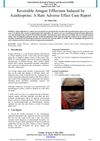
 Stopping azathioprine led to full hair regrowth and recovery in 2.5 months.
 58 citations
,
October 2001 in “Dermatologic Clinics”
58 citations
,
October 2001 in “Dermatologic Clinics” Hair loss can indicate underlying systemic diseases and addressing these can sometimes reverse the hair loss.
24 citations
,
May 2022 in “BMC Veterinary Research” lncRNAs play a key role in hair follicle development, affecting cashmere quality and yield.
 14 citations
,
October 2020 in “Scientific reports”
14 citations
,
October 2020 in “Scientific reports” Hair greying is linked to reduced ATM protein in hair cells, which protects against stress and damage.
10 citations
,
May 2020 in “Frontiers in cell and developmental biology” MicroRNAs are important for hair growth regulation, with Dicer being crucial and Tarbp2 less significant.
 1 citations
,
September 2016 in “Journal of Dermatological Science”
1 citations
,
September 2016 in “Journal of Dermatological Science” FGF18 treatment during hair's resting phase can protect against hair loss from radiation.
 38 citations
,
October 1988 in “Clinics in Dermatology”
38 citations
,
October 1988 in “Clinics in Dermatology” Hormones, nutrition, and seasonal changes regulate hair growth cycles, with androgens extending growth phases and factors like aging and malnutrition affecting hair loss and thinning.
10 citations
,
November 2008 in “Veterinary Dermatology” The mouse hairy ears mutation causes longer ear hair due to changes in gene expression.
 January 2016 in “Springer eBooks”
 The document concludes that there are various causes and treatments for hair loss, with hair transplantation being a notable option.
71 citations
,
June 2005 in “Journal of Investigative Dermatology” PAD enzymes play a key role in hair growth and structure.
 224 citations
,
March 2006 in “Seminars in Cutaneous Medicine and Surgery”
224 citations
,
March 2006 in “Seminars in Cutaneous Medicine and Surgery” The document concludes that understanding hair follicle biology can lead to better hair loss treatments.
 July 2026 in “Dermatology and Therapy”
 Hair growth supplements significantly improve hair growth and health in women.
 January 2015 in “Springer eBooks”
 Hair health is influenced by genetics, aging, and environmental factors, with proper care needed to maintain it.
 218 citations
,
January 2013 in “The Lancet Oncology”
218 citations
,
January 2013 in “The Lancet Oncology” Chemotherapy causes hair loss by damaging hair follicles and stem cells, with more research needed for prevention and treatment.
 165 citations
,
June 2007 in “European Journal of Cell Biology”
165 citations
,
June 2007 in “European Journal of Cell Biology” Hair follicle stem cells are key for hair and skin regeneration, can be reprogrammed, and have potential therapeutic uses, but also carry a risk of cancer.
 134 citations
,
September 2008 in “Lasers in surgery and medicine”
134 citations
,
September 2008 in “Lasers in surgery and medicine” Low fluence photoepilation temporarily removes hair by targeting the hair follicle's pigmented area without severe damage.
 130 citations
,
August 2015 in “Experimental Dermatology”
130 citations
,
August 2015 in “Experimental Dermatology” Human hair follicle organ culture is a useful model for hair research with potential for studying hair biology and testing treatments.
 64 citations
,
March 2005 in “Journal of Investigative Dermatology”
64 citations
,
March 2005 in “Journal of Investigative Dermatology” Brain-Derived Neurotrophic Factor (BDNF) slows down hair growth and promotes hair follicle regression.
 45 citations
,
March 2010 in “Journal der Deutschen Dermatologischen Gesellschaft”
45 citations
,
March 2010 in “Journal der Deutschen Dermatologischen Gesellschaft” A systematic approach is crucial for managing hair loss in women.
42 citations
,
July 2017 in “Molecular therapy” A form of vitamin E promotes hair growth by activating a specific skin pathway.
39 citations
,
November 2007 in “Experimental dermatology” Human hair follicles contain a complex network of prostanoid receptors that may influence hair growth.