 34 citations
,
September 2019 in “Clinical, Cosmetic and Investigational Dermatology”
34 citations
,
September 2019 in “Clinical, Cosmetic and Investigational Dermatology” Light therapy can stimulate hair growth and is more effective when started early, but more research is needed on its long-term effects and optimal use.
 29 citations
,
September 2012 in “Dermatologic Clinics”
29 citations
,
September 2012 in “Dermatologic Clinics” Hair disorders are caused by a complex mix of biology, genetics, hormones, and environmental factors, affecting hair growth and leading to conditions like alopecia.
4 citations
,
February 2015 in “PubMed” The emu oil emulsion with minoxidil was better at promoting hair growth than the commercial product.
 3 citations
,
January 2012 in “Elsevier eBooks”
3 citations
,
January 2012 in “Elsevier eBooks” The document says that there are treatments for hair and nail diseases.
 1 citations
,
January 2018 in “Springer eBooks”
1 citations
,
January 2018 in “Springer eBooks” Photobiomodulation is an effective and safe treatment for increasing hair growth in people with hair loss.
 April 2024 in “Bioactive materials”
 New microneedle treatment with growth factors and a hair loss drug shows better and faster hair growth results than current treatments.
 June 2023 in “Brazilian Journal of Health Review”
 Common baldness is a hereditary condition that can be treated with medications or surgery to prevent progression and improve self-esteem.
 April 2017 in “Journal of Investigative Dermatology”
 Scientists created a tiny, 3D model of a hair follicle that grows and acts like a real one.
 January 2013 in “Revista brasileira de medicina”
 The study concluded that hair loss treatments should be tailored to the specific type of alopecia and individual patient needs.
Hair germ cells differ from epidermal cells in keratin expression, and specific keratins form after hair differentiation.
 34 citations
,
December 2000 in “The journal of investigative dermatology/Journal of investigative dermatology”
34 citations
,
December 2000 in “The journal of investigative dermatology/Journal of investigative dermatology” Rat vibrissa follicles are useful for studying hair growth cycles, especially the transition from pro-anagen to anagen.
9 citations
,
January 2014 in “Journal of analytical & bioanalytical techniques” The study did not conclude whether hair can reliably indicate kidney stones, cholelithiasis, hypertension, or diabetes.
 4 citations
,
March 2013 in “The American Journal of Cosmetic Surgery”
4 citations
,
March 2013 in “The American Journal of Cosmetic Surgery” Melanin absorbing light is necessary but not enough for effective hair removal by light treatment.
 130 citations
,
August 2015 in “Experimental Dermatology”
130 citations
,
August 2015 in “Experimental Dermatology” Human hair follicle organ culture is a useful model for hair research with potential for studying hair biology and testing treatments.
 2 citations
,
November 2024 in “PeerJ”
2 citations
,
November 2024 in “PeerJ” Long non-coding RNAs play a role in hair growth stages of Hetian sheep, affecting wool quality.
 20 citations
,
November 1968 in “The Lancet”
20 citations
,
November 1968 in “The Lancet” Potassium levels affect blood sugar and insulin during dialysis, and malnutrition changes children's hair roots.
 March 2021 in “Research Square (Research Square)”
 Stress likely causes hair loss in Formosan macaques.
 December 2021 in “Journal of The American Academy of Dermatology”
 COVID-19 can cause different types of hair loss, which may last up to 100 days, and treatments are still being explored.
 31 citations
,
May 2008 in “Drug Discovery Today: Disease Mechanisms”
31 citations
,
May 2008 in “Drug Discovery Today: Disease Mechanisms” Different hair growth problems are caused by genetic issues or changes in hair growth cycles, and new treatments are being developed.
May 2012 in “International Journal of Dermatology and Venereology” Hair growth and development are controlled by complex signaling pathways.
 107 citations
,
December 2013 in “International Journal of Dermatology”
107 citations
,
December 2013 in “International Journal of Dermatology” The document concludes that hair is complex, with a detailed growth cycle, structure, and clinical importance, affecting various scientific and medical fields.
 13 citations
,
May 1993 in “International Journal of Dermatology”
13 citations
,
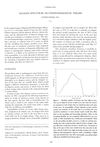
May 1993 in “International Journal of Dermatology” The paper suggests that telogen effluvium, a type of hair loss, may be a long-lasting condition triggered by stress or illness in people whose hair growth is unusually synchronized.
Accurate diagnosis of hair loss types is crucial for effective treatment.
 15 citations
,
May 2020 in “BMC complementary medicine and therapies”
15 citations
,
May 2020 in “BMC complementary medicine and therapies” Polygonum multiflorum extract helps hair grow longer and fights the effects of hormones that cause hair loss.
 14 citations
,
January 2017 in “Pharmacological Reports”
14 citations
,
January 2017 in “Pharmacological Reports” TP0427736 may help treat hair loss by blocking a specific protein and promoting hair growth.
 7 citations
,
January 2019 in “Pharmaceutical Biology”
7 citations
,
January 2019 in “Pharmaceutical Biology” Eclipta prostrata helps hair growth and maintains the growth phase by affecting certain growth factors.
 January 2025 in “MEDS Public Health and Preventive Medicine”
 Spermidine supplements can help extend the hair growth phase and may be useful for treating hair loss.
 April 2021 in “Journal of Investigative Dermatology”
 Leontopodium alpinum extract may help reduce hair shedding by keeping hair in the growth phase longer.
 41 citations
,
June 2010 in “Journal of Investigative Dermatology”
41 citations
,
June 2010 in “Journal of Investigative Dermatology” New cells are added to the hair's dermal papilla during the active growth phase.
 6 citations
,
November 2013 in “International Journal of Radiation Biology”
6 citations
,
November 2013 in “International Journal of Radiation Biology” Gamma-rays exposure during the resting phase of hair growth can damage hair regeneration and color in mice.