1 citations
,
April 2020 in “Journal of the Endocrine Society” Immunotherapy with pembrolizumab significantly reduced cancer in a young woman with adrenocortical carcinoma.
128 citations
,
February 1992 in “British Journal of Dermatology” Basal cell carcinomas likely originate from hair follicle cells or stem cells.
155 citations
,
December 2002 in “Journal of Investigative Dermatology” Thyroid-related genes are active in skin cells and may affect autoimmune conditions.
April 2025 in “Asian Journal of Case Reports in Surgery” Trichilemmal carcinoma is a rare skin cancer that requires careful diagnosis and follow-up.
 1 citations
,
March 2010 in “Internal medicine journal”
1 citations
,
March 2010 in “Internal medicine journal” A 72-year-old man with sudden taste issues and hair growth was diagnosed with a severe stomach cancer and died within 5 months.
 1 citations
,
September 2011 in “UHOD : Uluslararası hematoloji - onkoloji dergisi”
1 citations
,
September 2011 in “UHOD : Uluslararası hematoloji - onkoloji dergisi” Looking at tissue characteristics isn't reliable for telling apart basal cell carcinoma from certain benign skin tumors.
July 2019 in “Tumor Biology” Bone marrow-derived cells contribute to skin tumors, suggesting new treatment targets for non-melanoma skin cancers.
 September 2025 in “Archives of Dermatological Research”
 Basal cell carcinoma is more common than squamous cell carcinoma on the scalp, especially along the part line.
 August 2010 in “Journal of Investigative Dermatology”
 New hair regrowth model introduced, imiquimod kills skin cancer cells, T-cadherin loss makes skin cancer more invasive, no strong link between PTCH1 gene and skin cancer after transplant, and male teens more likely to have hereditary hair loss.
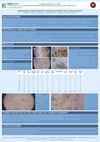
More research is needed to understand chemotherapy-induced hair loss and its phases.
Tricholemmoma is linked to Cowden syndrome and can be benign or malignant.
 5 citations
,
January 2018 in “Acta Dermatovenerologica Alpina Pannonica et Adriatica”
5 citations
,
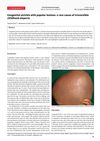
January 2018 in “Acta Dermatovenerologica Alpina Pannonica et Adriatica” Congenital atrichia with papular lesions causes permanent hair loss in children.
24 citations
,
November 2003 in “Australasian Journal of Dermatology” A rare skin cancer caused hair loss and spread, needing multiple treatments.
 August 2022 in “JAAD case reports”
 A woman with a long-term skin condition developed a serious skin cancer that led to her death.
20 citations
,
January 2002 in “Laboratory Animals” Mutations in the hairless gene cause hair loss and skin cysts in rhesus macaques.
 3 citations
,
September 2019 in “Clinical and experimental dermatology”
3 citations
,
September 2019 in “Clinical and experimental dermatology” Basal cell carcinomas may differentiate similarly to hair follicles and could be influenced by hair cycle-related treatments.
 9 citations
,
October 2008 in “British Journal of Dermatology”
9 citations
,
October 2008 in “British Journal of Dermatology” The growth of the Epstein-Barr virus in the patient's cells was linked to the worsening of her lymphoma.
 October 2024 in “Journal of the Endocrine Society”
 ACTH-dependent Cushing's syndrome linked to metastatic cervical cancer is rare and has high risks.
38 citations
,
September 2004 in “Journal of Autoimmunity” Alopecia areata patients have more activated T cells in their blood, which may help in developing treatments.
 2 citations
,
November 2019 in “Cancer reports”
2 citations
,
November 2019 in “Cancer reports” The Wnt signaling pathway is not a major factor in the development of keratoacanthoma, a type of skin tumor.
61 citations
,
June 2010 in “Journal of the European Academy of Dermatology and Venereology” Anti-TNF-α therapy may increase the risk of developing alopecia areata, especially in those with a history of autoimmune disease.
61 citations
,
August 1993 in “PubMed” Basal cell epithelioma likely starts from the hair follicle's outer root sheath.
26 citations
,
September 2009 in “Clinical genetics” Arab APS1 patients have unique and recurrent AIRE gene mutations.
26 citations
,
May 2001 in “British Journal of Dermatology” Pilomatrixomas likely originate from the hair matrix due to changes in hair keratin expression.
35 citations
,
December 2008 in “PubMed” Trichilemmoma, BCC, and SCC tumors have different stem cell marker expressions.
1 citations
,
April 2011 in “Clinical Kidney Journal” A benign skin tumor grew quickly in a dialysis patient and was surgically removed.
ETS2 drives cancer progression in squamous cell carcinoma and is linked to poor patient outcomes.
January 2003 in “The Chinese Journal of Burns Wounds & Surface Ulcers” CK 19 expression is higher in more severe skin cancers.
July 2025 in “Journal of Investigative Dermatology” Complex basal cell carcinomas need personalized treatment due to unique genetic mutations.