 64 citations
,
November 2008 in “Journal of The American Academy of Dermatology”
64 citations
,
November 2008 in “Journal of The American Academy of Dermatology” A new type of rapid hair loss called ADTA usually gets better on its own within 6 months.
18 citations
,
July 2010 in “Journal of the American Academy of Dermatology” Folliculotropic mycosis fungoides can look like alopecia areata.
18 citations
,
March 2003 in “British journal of dermatology/British journal of dermatology, Supplement” Trichofolliculoma has specific cytokeratin patterns that help in its diagnosis.
 3 citations
,
January 2021 in “Skin appendage disorders”
3 citations
,
January 2021 in “Skin appendage disorders” Hair loss due to scalp metastasis from breast cancer, known as Neoplastic Alopecia, has a better survival rate than other scalp metastases and requires a biopsy for diagnosis.
Synthetic hair implants may pose health risks, including cancer, and require careful monitoring.
70 citations
,
December 2008 in “Cancer Research” CXCR2 in skin cells promotes tumor growth.
 23 citations
,
November 2024 in “Scientific Reports”
23 citations
,
November 2024 in “Scientific Reports” Higher thyroid antibodies in Hashimoto's thyroiditis are linked to more inflammation and symptoms.
 January 2025 in “Pakistan Veterinary Journal”
 A cat had a rare, aggressive pancreatic cancer that spread quickly and led to its death.
1 citations
,
May 2021 in “Thyroid Research and Practice” Short-term side effects of low-dose radioactive iodine therapy are common but temporary.
 11 citations
,
January 2013 in “Indian Journal of Endocrinology and Metabolism”
11 citations
,
January 2013 in “Indian Journal of Endocrinology and Metabolism” A woman with a rare adrenal tumor and hormonal disorder had improved testosterone levels after surgery, but her menstrual irregularities continued.
 March 2010 in “Ejc Supplements”
 CK 5/6 expression in breast cancer is linked to negative hormone receptor status and higher tumor grade.
 1 citations
,
April 2019 in “The journal of investigative dermatology/Journal of investigative dermatology”
1 citations
,
April 2019 in “The journal of investigative dermatology/Journal of investigative dermatology” Melanocyte-associated antigens may play a key role in alopecia areata and could be targets for new treatments.
1 citations
,
January 2020 in “Indian journal of dermatology, venereology, and leprology” CD117 and platelet-derived growth factor receptor α may play a role in alopecia areata.
2 citations
,
June 2024 in “Medical Journal of Babylon” Higher CD8+ T cell levels are linked to Alopecia areata in Iraqi patients.
 May 2019 in “Small Animal Dermatology”
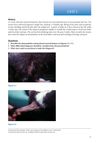
 The cat had a rare condition linked to cancer, leading to its euthanasia.
286 citations
,
August 2007 in “Journal of Clinical Investigation” Alopecia areata is an autoimmune disease where T cells attack hair follicles.
 January 2025 in “International Journal of Dermatology”
 Consider TFI in facial hypopigmentation diagnoses and confirm with a biopsy.
 72 citations
,
February 2011 in “The American Journal of Dermatopathology”
72 citations
,
February 2011 in “The American Journal of Dermatopathology” Anti-TNF therapy can cause a unique type of hair loss that may get better with topical treatments without stopping the therapy.

Alopecia areata is an autoimmune disease affecting hair follicles and may harm heart health.
71 citations
,
February 1992 in “Journal of Cutaneous Pathology” Antibodies help identify glycoproteins in normal skin and tumor cells.
 July 2026 in “Zenodo (CERN European Organization for Nuclear Research)”
 Early diagnosis and personalized treatment improve growth and development in children with Hashimoto thyroiditis.
 2 citations
,
May 2023 in “Cancer medicine”
2 citations
,
May 2023 in “Cancer medicine” KRT80 may worsen cancer by increasing growth and spread, but its full effects on treatment and outcomes need more research.
21 citations
,
December 2005 in “The journal of investigative dermatology/Journal of investigative dermatology” T-cells in alopecia areata scalp show abnormal regulation, leading to less inflammation.
75 citations
,
June 2007 in “Journal of Biological Chemistry” MT-DADMe-ImmA can selectively kill head and neck cancer cells without harming normal cells.
January 2014 in “International Journal of Dermatology and Venereology” A man with hair loss and a scalp lump was diagnosed with a diffuse neurofibroma but chose not to have surgery.
 April 2018 in “Journal of Investigative Dermatology”
 The document concludes that ERBB2 mutations are common in extramammary Paget disease and may respond to systemic treatments like cancer immunotherapy.
18 citations
,
April 2016 in “American Journal of Dermatopathology” Larger nail cavity sizes suggest benign tumors, while smaller ones may need further biopsy to rule out cancer.
33 citations
,
March 1994 in “PubMed” High ODC and low K1 and K10 may indicate early skin tumors in mice.
 January 2011 in “International Journal of Trichology”
 The document concludes that doctors should recognize congenital triangular alopecia to avoid unnecessary treatments, as it does not respond to steroids like alopecia areata does.
July 2024 in “Journal of Investigative Dermatology” Topical thyroid hormones may boost hair growth.