 5 citations
,
May 2013 in “The American Journal of Dermatopathology”
5 citations
,
May 2013 in “The American Journal of Dermatopathology” The author now believes tricholemmal carcinoma is a rare type of infundibular squamous cell carcinoma and more research is needed on these tumors.
October 2024 in “Endocrinology Insights” The Bethesda system is effective for identifying thyroid cancer but has low sensitivity.
1 citations
,
April 2016 in “Journal of the American Academy of Dermatology” Autoimmune conditions can be linked to trichoepitheliomas, with treatment focusing on cosmetic concerns.
 November 2023 in “International surgery journal”
 A man's neck lump was a trichilemmal cyst, not cancer, and should be fully removed due to rare risk of becoming malignant.
 January 2026 in “Zenodo (CERN European Organization for Nuclear Research)”
 The thyroid nodule was benign, and surgery was successful with a smooth recovery.
23 citations
,
February 2003 in “British Journal of Dermatology” A rare type of skin lymphoma was identified, affecting hair follicles and sweat glands.
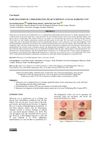 March 2022 in “Folia Medica Indonesiana”
 The lump on a woman's scalp was a rare, potentially cancerous tumor from the hair follicle, not a common cyst.
 2 citations
,
February 2009 in “Clinical and Experimental Dermatology”
2 citations
,
February 2009 in “Clinical and Experimental Dermatology” A man had rare skin tumors with bone formation and cholesterol deposits.
 April 2026 in “International Journal of Homoeopathic Sciences”
 Alopecia areata is linked to thyroid diseases, and thyroid testing may help affected patients.
 January 2026 in “Zenodo (CERN European Organization for Nuclear Research)”
 Thorough evaluation and treatment are crucial for thyroid nodules.
July 2017 in “Cancer Research” Krt15+ cells in mice can resist radiation, regenerate tissue, and start tumors, suggesting new cancer treatment targets.
47 citations
,
February 2014 in “Journal of Cutaneous Pathology” Matrical tumors share a common growth mechanism involving the Wnt pathway and consistent PHLDA1 expression.
 April 2023 in “The journal of investigative dermatology/Journal of investigative dermatology”
 HPV8 causes hair follicle stem cells to grow, leading to skin lesions.
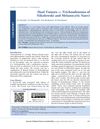 September 2022 in “Journal of medical sciences and health”
 A person had two different benign skin tumors, a trichoadenoma and melanocytic naevi, at the same time but in different places on the face.
2 citations
,
September 2024 in “Skin Research and Technology” The study initially suggested a genetic link between thyroid issues and hair loss.
 3 citations
,
May 2025 in “Cell Death and Disease”
3 citations
,
May 2025 in “Cell Death and Disease” Targeting METTL1 may help slow papillary thyroid cancer growth and spread.
3 citations
,
August 2024 in “Frontiers in Endocrinology” Thyroid issues can cause alopecia areata.
TSH levels are similar across nonscarring alopecia types, with unclear racial differences.
January 2026 in “Annals of Pathology and Laboratory Medicine” Accurate diagnosis of rare pilomatrix carcinoma is crucial for effective treatment.
3 citations
,
December 2003 in “Archives of Pathology & Laboratory Medicine” The nodule was a benign cutaneous lymphadenoma, not cancer, and was successfully removed.
10 citations
,
November 1964 in “Zentralblatt für Veterinärmedizin Reihe A” Benign epithelial tumors in dogs don't spread or become cancerous.
 January 2008 in “Springer eBooks”
 Thyroid disease can cause hair loss and treating thyroid problems might help with hair disorders.
27 citations
,
December 2005 in “Journal of Cutaneous Pathology” The malignant pilomatricoma showed strong epithelial keratin expression, suggesting it may not calcify.
26 citations
,
October 2007 in “American Journal of Dermatopathology” Basal cell carcinoma with matrical differentiation is a rare type linked to hair follicles, with .-catenin important for its development.
 4 citations
,
July 2015 in “Journal of Feline Medicine and Surgery Open Reports”
4 citations
,
July 2015 in “Journal of Feline Medicine and Surgery Open Reports” A cat with hair loss and illness was found to have cancer spread from its colon.
 December 2022 in “Curēus”
 Genetic testing confirmed a young girl has Atrichia with Papular Lesions due to mutations in the hairless gene.
 September 2023 in “Journal of the American Academy of Dermatology”
 Children with alopecia areata, especially with Down syndrome or thyroid issues, should be screened for thyroid disease.
4 citations
,
February 2018 in “World journal of surgical oncology” A young woman with kidney cancer experienced rare hair loss from a cancer drug and unusual cancer spread, suggesting early drug treatment might reduce spread and prolong survival.
 3 citations
,
January 2016 in “US endocrinology”
3 citations
,
January 2016 in “US endocrinology” Alopecia is not a significant predictor of thyroid disease when age and sex are considered.
29 citations
,
February 1989 in “Journal of Cutaneous Pathology” A unique hair tumor with a rippled pattern was identified, showing incomplete differentiation and unusual cell arrangements.