 4 citations
,
January 2012 in “Chemical Immunology”
4 citations
,
January 2012 in “Chemical Immunology” Some drugs, especially biologics, can cause skin reactions that look like other skin diseases, and stopping the drug usually helps clear up these reactions.
 25 citations
,
December 2001 in “Expert Opinion on Pharmacotherapy”
25 citations
,
December 2001 in “Expert Opinion on Pharmacotherapy” Potassium channel openers show promise for treating heart disease and other conditions, but more research is needed to fully understand their effects and safety.
 November 1999 in “Journal of Cutaneous Medicine and Surgery”
 Treatments for hair loss include hormone modifiers, minoxidil, and hair transplant surgery.
 January 2019 in “Springer eBooks”
 Acne is linked to inflammation and insulin resistance, and is associated with various syndromes that require different treatments.
 2 citations
,
April 2007 in “Journal of Labelled Compounds and Radiopharmaceuticals”
2 citations
,
April 2007 in “Journal of Labelled Compounds and Radiopharmaceuticals” The conclusion is that tritium-labeled testosterone metabolites can be made and are better converted into dihydrotestosterone in skin cells than in prostate tissue.
 11 citations
,
November 1982 in “British journal of dermatology/British journal of dermatology, Supplement”
11 citations
,
November 1982 in “British journal of dermatology/British journal of dermatology, Supplement” Testosterone and some of its forms can strongly stimulate oil gland growth in skin.
 77 citations
,
March 2001 in “Clinics in Dermatology”
77 citations
,
March 2001 in “Clinics in Dermatology” Androgenetic alopecia involves genetics, hormones, and can be treated with medications or surgery.
 44 citations
,
November 1998 in “Australasian Journal of Dermatology”
44 citations
,
November 1998 in “Australasian Journal of Dermatology” Accurate diagnosis is key for treating different kinds of hair loss, and immune response variations may affect the condition and treatment results.
 42 citations
,
October 2012 in “Dermatologic Clinics”
42 citations
,
October 2012 in “Dermatologic Clinics” Trichoscopy is a useful tool for diagnosing different hair and scalp diseases without surgery.
 July 2003 in “British Journal of Dermatology”
 Some skin conditions are associated with other serious diseases, and office microscopy may miss many fungal infections.
 855 citations
,
June 2009 in “The Journal of Clinical Endocrinology & Metabolism”
855 citations
,
June 2009 in “The Journal of Clinical Endocrinology & Metabolism” The guideline recommends mental health involvement in diagnosing gender identity disorder and outlines hormone and surgical treatment protocols, emphasizing safety, informed consent, and long-term monitoring.
 78 citations
,
June 2003 in “Journal of Investigative Dermatology Symposium Proceedings”
78 citations
,
June 2003 in “Journal of Investigative Dermatology Symposium Proceedings” TGF-β1 from dermal papilla cells suppresses hair growth, and targeting it may help treat androgenetic alopecia.
 52 citations
,
June 2009 in “Current Opinion in Endocrinology, Diabetes and Obesity”
52 citations
,
June 2009 in “Current Opinion in Endocrinology, Diabetes and Obesity” The document concludes that hair transplantation and gene therapy may be important for future hair loss treatment.
 48 citations
,
February 2008 in “Nutrition in Clinical Practice”
48 citations
,
February 2008 in “Nutrition in Clinical Practice” Dietary changes, including weight loss and a balanced diet, are important for managing PCOS, especially in overweight women.
 40 citations
,
October 2002 in “Endocrinology”
40 citations
,
October 2002 in “Endocrinology” Vitamin D3 analogs can promote hair growth in mice genetically prone to hair loss.
 34 citations
,
February 1993 in “Journal of steroid biochemistry and molecular biology/The Journal of steroid biochemistry and molecular biology”
34 citations
,
February 1993 in “Journal of steroid biochemistry and molecular biology/The Journal of steroid biochemistry and molecular biology” Certain 4-azasteroids are effective at blocking the enzyme that processes testosterone in human skin and could help treat acne, excessive hair growth, and male pattern baldness.
 5 citations
,
January 2018
5 citations
,
January 2018 The conclusion is that a new test was created to find substances that affect specific ion channels, and it works well for drug discovery.
 4 citations
,
May 2021 in “Dermatologic Clinics”
4 citations
,
May 2021 in “Dermatologic Clinics” The conclusion is that hair loss in women is caused by a mix of hormonal, environmental, and genetic factors, and treatments should target these various causes.
 3 citations
,
January 2011 in “Annals of Dermatology”
3 citations
,
January 2011 in “Annals of Dermatology” Blocking EGFR in skin cells doesn't majorly increase inflammation markers.

research Acne
2 citations
,
May 2011 in “Harper's Textbook of Pediatric Dermatology” Acne is a common skin condition linked to diet, hormones, and genetics, and early treatment can prevent scarring.
 1 citations
,
January 2000 in “Springer eBooks”
1 citations
,
January 2000 in “Springer eBooks” Pregnancy can cause various skin changes and diseases, requiring careful treatment to protect the baby.
 January 2024 in “International Ayurvedic medical journal”
 The Ayurvedic treatment helped a woman with PCOS, improving her symptoms and menstrual cycle.
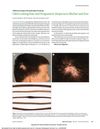 May 2014 in “JAMA Dermatology”
 Mother and son diagnosed with a rare genetic hair loss condition with no effective treatment.
 15 citations
,
April 2022 in “Biointerface Research in Applied Chemistry”
15 citations
,
April 2022 in “Biointerface Research in Applied Chemistry” Medicinal plants may be an effective alternative for treating acne.
 April 2026 in “Laboratory Animal Research”
 The new Hairless R/J mice model improves imaging for tumor monitoring and cancer therapy evaluation.
 14 citations
,
July 1987 in “Dermatologic Clinics”
14 citations
,
July 1987 in “Dermatologic Clinics” The document concludes that treating female hair loss should target reducing excess androgen and blocking its effects on hair follicles, with the best treatments being hormonal therapy, adrenal suppression, and topical minoxidil.
 58 citations
,
January 2003 in “Thrombosis and Haemostasis”
58 citations
,
January 2003 in “Thrombosis and Haemostasis” Testosterone may slow down wound healing and increase inflammation.
 November 2020 in “Elsevier eBooks”
 Antiandrogens and androgen inhibitors like spironolactone, finasteride, and dutasteride can treat hair loss and skin conditions, but they have risks and side effects, including potential harm to pregnant women and risks of cancer and heart issues. Herbal remedies also have antiandrogenic effects but lack safety validation.
 282 citations
,
October 2006 in “The Journal of Clinical Endocrinology and Metabolism”
282 citations
,
October 2006 in “The Journal of Clinical Endocrinology and Metabolism” The Endocrine Society advised against routine testosterone therapy for women, citing a need for more research on long-term safety and a clear definition of androgen deficiency.
 233 citations
,
November 2002 in “The journal of investigative dermatology/Journal of investigative dermatology”
233 citations
,
November 2002 in “The journal of investigative dermatology/Journal of investigative dermatology” Creating stronger blockers for skin enzymes might lead to better treatment for conditions like acne and excessive hair growth.