 7 citations
,
May 1978 in “International Journal of Dermatology”
7 citations
,
May 1978 in “International Journal of Dermatology” Recent hair loss research shows some progress, especially in understanding male pattern baldness, but effective treatments for many types of hair loss are still lacking.
 8 citations
,
June 2008 in “Aktuelle Dermatologie”
8 citations
,
June 2008 in “Aktuelle Dermatologie” Early diagnosis and personalized treatment are crucial for managing different types of alopecia effectively.
 December 2019 in “Journal of pediatrics & neonatology”
 A 13-year-old boy had a rare, stable type of hair loss with little chance of regrowth, but treatment is available for looks.
January 2025 in “Dermatology Online Journal” The man's hair loss and skin papules were diagnosed as atrichia with papular lesions, not alopecia areata universalis.

More men have androgenic alopecia than women, with stress linked to the condition in both genders.
 November 2015 in “Springer eBooks”
 Hair loss treated with minoxidil, finasteride, laser/light, hair transplant, and scalp prostheses; more research needed for skin of color.
 19 citations
,
August 2008 in “Journal of The European Academy of Dermatology and Venereology”
19 citations
,
August 2008 in “Journal of The European Academy of Dermatology and Venereology” Bald areas have lower cell growth, more DNA damage, and increased cell death.
 24 citations
,
January 2006 in “Skin Pharmacology and Physiology”
24 citations
,
January 2006 in “Skin Pharmacology and Physiology” Finasteride reverses early hair loss and promotes growth.
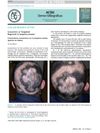
September 2023 in “International Journal of Trichology” A rare hair regrowth pattern can occur in some people with alopecia areata.
 April 2016 in “Actas Dermo-Sifiliográficas”
 The document concludes that a unique target-like hair regrowth pattern in alopecia areata may be more common than thought and should be properly identified.
January 2012 in “Faculty of Health; Institute of Health and Biomedical Innovation” Early-onset hair loss is linked to Parkinson's disease and decreased fertility.
1 citations
,
January 2004 in “The Internet Journal of Geriatrics and Gerontology” Male pattern baldness is common, treatable, and may be linked to heart disease and prostate cancer.
 April 2012 in “Informa Healthcare eBooks”
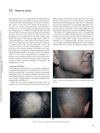
 Alopecia areata is a common autoimmune condition causing varying hair loss, diagnosed by specific patterns of inflammation around hair follicles, with several treatment options available.

A woman with a rare hair loss condition developed skin cancer in the bald area.
 27 citations
,
April 2017 in “British Journal of Dermatology”
27 citations
,
April 2017 in “British Journal of Dermatology” Hair loss involves immune responses, inflammation, and disrupted signaling pathways.
January 2022 in “Voennaâ medicina” A new method for treating male pattern baldness in men with a low chance of improvement was discussed.
 January 2023 in “Vìsnik problem bìologìï ì medicini”
 Androgenic alopecia causes hair follicle degradation and skin restructuring, but some hair elements remain.
 March 2024 in “Frontiers in Endocrinology”
 The study found that alopecia areata and hypothyroidism increase the risk of each other, but androgenetic alopecia and hypothyroidism do not.
 April 2023 in “Dermatologica Sinica”
 Sex hormones affect hair growth and loss, and treatments for related hair diseases include various medications, hair transplantation, and light therapy.
 2 citations
,
January 2017 in “Przegla̧d dermatologiczny”
2 citations
,
January 2017 in “Przegla̧d dermatologiczny” Two trichoscopic patterns found in hair loss: diffuse fibrotic and androgenetic alopecia, affecting treatment choice and regrowth chances.
 19 citations
,
April 2014 in “Hormones”
19 citations
,
April 2014 in “Hormones” Hormones and genetics play key roles in male and female baldness, which can affect mental health and may be linked to other health issues.
 December 2024 in “Brazilian Journal of Health Review”
 Early diagnosis of alopecia frontal fibrosante is crucial, but treatment remains controversial and varies.
 64 citations
,
January 2005 in “International Journal of Dermatology”
64 citations
,
January 2005 in “International Journal of Dermatology” Hair transplant destroyed by lichen planopilaris.
1 citations
,
January 2004 in “Journal of Clinical Dermatology” Young people with mild hair loss may experience it due to social stress.
 January 2022 in “Consultant”
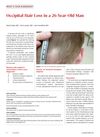
 The man's occipital hair loss was due to temporal triangular alopecia, not alopecia areata.
 12 citations
,
May 2016 in “British Journal of Dermatology”
12 citations
,
May 2016 in “British Journal of Dermatology” AGA progression involves increased lipid synthesis, electron transport, and hair follicle miniaturization.
 February 2025 in “PLoS ONE”
 Androgenetic alopecia starts earlier in males than females, with different treatments, and is linked to income, education, alcohol use, and mental health.
 December 2019 in “Pediatria i Medycyna Rodzinna”
 Alopecia areata is a hair loss condition that may be linked to stress and genetics, often requires psychological support, and has no set treatment.
 September 1997 in “Journal of The European Academy of Dermatology and Venereology”
 New treatment improves male hair loss.