 July 2016 in “Journal of Investigative Dermatology”
 Balding scalps show different gene expressions affecting hair growth compared to non-balding scalps.
 23 citations
,
June 2006 in “Journal of Investigative Dermatology”
23 citations
,
June 2006 in “Journal of Investigative Dermatology” Men with baldness have higher levels of specific proteins, suggesting local hormone production may play a role in hair loss.
September 1997 in “JEADV. Journal of the European Academy of Dermatology and Venereology/Journal of the European Academy of Dermatology and Venereology” Common hair loss can be diagnosed with a physical exam and sometimes a hair test or skin biopsy, and treated with medication or surgery, with ongoing treatment needed to keep results.
 3 citations
,
May 2021 in “Dermatologic Clinics”
3 citations
,
May 2021 in “Dermatologic Clinics” The document concludes that more research is needed to understand hair loss in men and to find new treatments.
 July 2024 in “International Journal of Dermatology Venereology and Leprosy Sciences”
 Scalp tissue micrografts can effectively treat hair loss by increasing hair density and thickness.
 January 2015 in “Journal of Cytology and Histology”
 Hair loss in Androgenetic Alopecia is not caused by damage to follicular stem cells.

Hair loss can be caused by hormones, illness, autoimmune disorders, or vitamin deficiencies, and treatments vary depending on the type.
 1 citations
,
September 2021 in “The Journal of Dermatology”
1 citations
,
September 2021 in “The Journal of Dermatology” Japanese cases of fibrosing alopecia show a unique age and hair loss pattern, possibly due to racial differences.
 23 citations
,
November 2018 in “Journal of the European Academy of Dermatology and Venereology”
23 citations
,
November 2018 in “Journal of the European Academy of Dermatology and Venereology” The study concluded that severity of Frontal fibrosing alopecia is not linked to how long someone has it, can start before menopause, and eyebrow loss may be an early sign.
 December 2025 in “IP Indian Journal of Clinical and Experimental Dermatology”
 Androgenetic alopecia treatments are becoming more personalized and include new therapies like topical antiandrogens and regenerative strategies.
November 2023 in “Scientific Repository of Open Access of Portugal (RCAAP)” Severe alopecia areata in children can signal future autoimmune issues.
 2 citations
,
January 2003 in “PubMed”
2 citations
,
January 2003 in “PubMed” Hair loss in men might be linked to programmed cell death.
 March 2021 in “Actas Dermo-Sifiliográficas”
 The microbiome may be linked to hair loss and could be a target for new treatments.
October 2022 in “Hair Transplantation” Male pattern hair loss is mainly caused by genetics and hormones, especially DHT.
 4 citations
,
May 2015 in “Indian Journal of Dermatology, Venereology and Leprology”
4 citations
,
May 2015 in “Indian Journal of Dermatology, Venereology and Leprology” Congenital triangular alopecia can occur outside the typical fronto-temporal region.
32 citations
,
August 2016 in “Journal of the American Academy of Dermatology” Temporal triangular alopecia is a non-scarring hair loss in children, often linked to other health conditions.
2 citations
,
January 2022 in “Springer eBooks” 
A man's scalp hair loss was due to a combined melanocytic nevus and alopecia areata, suggesting a possible link between the two conditions.
January 2022 in “Clinical Cases in Dermatology” A 12-year-old boy has a rare, harmless hair loss on his chin with no need for treatment.
July 2023 in “International Journal of Trichology” The man's hair turned white suddenly but returned to normal on its own in 6 months.
 195 citations
,
June 2005 in “American Journal of Human Genetics”
195 citations
,
June 2005 in “American Journal of Human Genetics” Genetic variation in the androgen receptor gene mainly causes early-onset hair loss, with maternal inheritance playing a key role.
 February 2010 in “Journal of The American Academy of Dermatology”
 Alopecia areata has different forms and can significantly affect quality of life, especially in more severe cases.
 March 2025 in “Archives of Dermatological Research”
 Early-onset hair loss in Egyptian males is linked to genetics, hormones, and lifestyle factors like smoking and diet.
 9 citations
,
August 2013 in “Facial Plastic Surgery Clinics of North America”
9 citations
,
August 2013 in “Facial Plastic Surgery Clinics of North America” Recognize and treat hair loss conditions that mimic androgenetic alopecia by identifying warning signs and using proper tools.
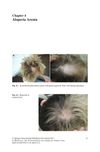 December 2016 in “Springer eBooks”
 A 45-year-old woman with autoimmune diseases experienced patchy hair loss due to alopecia areata, which has no cure but can be treated, with varying success.
 January 2026 in “Biology”
 Androgenetic alopecia is influenced by multiple genes and pathways, with genetic risk varying by population, and personalized treatments are being explored.
 13 citations
,
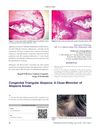
January 2011 in “International Journal of Trichology”
13 citations
,
January 2011 in “International Journal of Trichology” CTA is often mistaken for AA but doesn't respond to steroids and may require hair transplantation.
 January 2025 in “TURKDERM”
 Alopecia areata incognito in children can be effectively treated with triamcinolone acetonide and supplements, leading to full hair regrowth.
53 citations
,
May 2011 in “Dermatologic therapy” Alopecia areata is a skin condition causing hair loss, and its exact cause is unknown, but it may involve biological mechanisms.
 January 2022 in “Social Science Research Network”
 The Ar/miR-221/IGF-1 pathway is involved in male pattern baldness, with miR-221 potentially being a new target for treatment.