 3 citations
,
November 2005 in “Women's health”
3 citations
,
November 2005 in “Women's health” Excessive body hair in women can be caused by various conditions and treated with medication like Diane® 35 or androgen blockers.
1 citations
,
January 2005 in “Experimental Dermatology” Antisense oligonucleotides can reduce androgen receptor levels in skin cells, suggesting potential for treating skin disorders.
 68 citations
,
May 2011 in “European Journal of Dermatology”
68 citations
,
May 2011 in “European Journal of Dermatology” Acne is caused by genetics, diet, hormones, and bacteria, with treatments not yet curative.
 46 citations
,
November 1997 in “Journal of Neural Transmission”
46 citations
,
November 1997 in “Journal of Neural Transmission” Seborrhea in Parkinson's disease may be linked to hormones, not autonomic impairment.
43 citations
,
April 2011 in “AJP Endocrinology and Metabolism” Androgens increase muscle mass by promoting myoblast growth through ornithine decarboxylase.
 30 citations
,
July 2019 in “Endocrinology”
30 citations
,
July 2019 in “Endocrinology” Certain HSD3B1 gene types are linked to worse prostate cancer outcomes and affect treatment response and other health conditions.
 24 citations
,
May 2010 in “Hautarzt”
24 citations
,
May 2010 in “Hautarzt” Different hormones affect hair growth and conditions, with some causing hair loss and others promoting it.
1 citations
,
April 2015 in “The FASEB Journal” Blocking androgens in male rats increased estrogen and made them more active.
April 2015 in “The FASEB Journal” Blocking androgens at birth reduces sexual motivation in male rats.
April 2015 in “The FASEB Journal” Blocking male hormones in baby rats improved memory and increased weight.
 July 2011 in “Springer eBooks”
 The document concluded that FDA-approved treatments like minoxidil and finasteride are effective for hair loss, while the effectiveness of natural remedies and other non-approved treatments is not well-supported by evidence.
 9 citations
,
January 2018 in “Journal of the European Academy of Dermatology and Venereology”
9 citations
,
January 2018 in “Journal of the European Academy of Dermatology and Venereology” A male patient developed frontal fibrosing alopecia after antiandrogen therapy for prostate cancer.
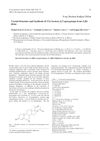 1 citations
,
January 2009 in “X-ray Structure Analysis Online”
1 citations
,
January 2009 in “X-ray Structure Analysis Online” A new compound was made that might help treat diseases related to male hormones.
 December 2024 in “Era s journal of medical research”
 Genetic variants in CYP genes may worsen PCOS symptoms.
 May 2024 in “Journal of molecular structure”
 A new compound, 3a, effectively fights prostate cancer better than finasteride.
 November 2021 in “Pharmaceutical Sciences”
 New compounds were made and tested, with compound 6 showing potential for treating prostate-related diseases.
 September 2012 in “The Egyptian Journal of Histology”
 Flutamide caused damage to male rat reproductive organs and may affect fertility.
 117 citations
,
May 2017 in “Human Reproduction Update”
117 citations
,
May 2017 in “Human Reproduction Update” The update highlights that non-classic congenital adrenal hyperplasia is common in women with excess male hormones, requires specific hormone tests for diagnosis, and has various treatment options depending on age and symptoms.
 82 citations
,
January 2000 in “Hormone Research in Paediatrics”
82 citations
,
January 2000 in “Hormone Research in Paediatrics” DHEA stimulates skin oil glands and could help postmenopausal women, with potential for acne and excessive hair growth treatments.
 72 citations
,
October 1998 in “Baillière's clinical endocrinology and metabolism”
72 citations
,
October 1998 in “Baillière's clinical endocrinology and metabolism” Long-term testosterone therapy can cause hormone suppression, affect prostate and heart health, and alter physical characteristics, but does not increase prostate cancer risk and needs more research for full risk assessment.
 55 citations
,
May 2019 in “Journal of Endocrinology”
55 citations
,
May 2019 in “Journal of Endocrinology” Androgens are important for female fertility and could help in IVF treatment, but also play a role in causing PCOS.
 52 citations
,
January 1995 in “The Journal of Clinical Endocrinology and Metabolism”
52 citations
,
January 1995 in “The Journal of Clinical Endocrinology and Metabolism” Finasteride and spironolactone both reduce hirsutism, but finasteride lowers androgen levels more.
50 citations
,
April 2010 in “Biology direct” Low androgen levels might delay prostate cancer but could lead to more aggressive, therapy-resistant cancers.
 47 citations
,
August 2000 in “Endocrine Reviews”
47 citations
,
August 2000 in “Endocrine Reviews” The document concludes that more research is needed to understand excessive hair growth in women with normal hormone levels and regular ovulation.
 46 citations
,
September 2016 in “Clinical, Cosmetic and Investigational Dermatology”
46 citations
,
September 2016 in “Clinical, Cosmetic and Investigational Dermatology” Hormonal treatments are effective for severe or persistent acne and should be used with other acne therapies, considering potential side effects.
 38 citations
,
October 1996 in “Dermatologic Clinics”
38 citations
,
October 1996 in “Dermatologic Clinics” Certain hormone treatments can improve acne and related conditions in women.
 37 citations
,
November 1995 in “Journal of Investigative Dermatology”
37 citations
,
November 1995 in “Journal of Investigative Dermatology” Topical finasteride and flutamide reduce gland size and enzyme activity, with flutamide being more potent, potentially treating acne, seborrhea, hirsutism, and androgenic alopecia.
 32 citations
,
November 1996 in “International Journal of Dermatology”
32 citations
,
November 1996 in “International Journal of Dermatology” Antiandrogens can help treat skin conditions like acne and excessive hair in women when used carefully.
 25 citations
,
December 2017 in “The Journal of Clinical Endocrinology & Metabolism”
25 citations
,
December 2017 in “The Journal of Clinical Endocrinology & Metabolism” Birth control pills combined with bicalutamide are more effective at reducing excessive hair growth in women with PCOS than birth control pills alone.
 24 citations
,
January 2001 in “Dermatologic clinics”
24 citations
,
January 2001 in “Dermatologic clinics” Hormonal therapy is a treatment option for acne, the only medical treatment for hirsutism, and the most promising for androgenetic alopecia.