29 citations
,
October 2020 in “Environmental health perspectives” Five preservatives may disrupt hormone function and need more health and environmental risk assessment.
13 citations
,
August 2016 in “Reproduction” High doses of nandrolone decanoate disrupt ovarian hormones and receptors in rats, with recovery only at lower doses and longer recovery times.
12 citations
,
March 2017 in “Arteriosclerosis, thrombosis, and vascular biology” Testosterone helps prevent skin damage in males by acting through both estrogen and androgen pathways.
 8 citations
,
December 2022 in “Nature Reviews Endocrinology”
8 citations
,
December 2022 in “Nature Reviews Endocrinology” Sex hormones' effects on COVID-19 are unclear and more research is needed to understand their potential as treatment.
 6 citations
,
February 2023 in “Journal of nanobiotechnology”
6 citations
,
February 2023 in “Journal of nanobiotechnology” The new anti-acne treatment HA-P5 effectively reduces acne by targeting two key receptors and avoids an enzyme that can hinder treatment.
5 citations
,
December 2022 in “Viruses” Antiandrogens may help prevent or treat COVID-19 by blocking virus entry into cells.
5 citations
,
August 2021 in “Journal of biological chemistry/The Journal of biological chemistry” Retinoic acid affects male and female muscle energy use and function differently.
4 citations
,
January 2023 in “Andrology” The testes produce sperm and hormones essential for male development.
 2 citations
,
June 2022 in “Molecules”
2 citations
,
June 2022 in “Molecules” Connarus semidecandrus Jack extract promotes hair growth and thickness, reduces prostate cancer cell growth, and could potentially be used as a treatment for hair loss.
 1 citations
,
December 2022 in “Pharmaceuticals”
1 citations
,
December 2022 in “Pharmaceuticals” Noni fruit extract, specifically the FEA-3 sub-fraction, can increase hair growth and reduce baldness in male rabbits, potentially acting like common hair loss treatments.
1 citations
,
March 2022 in “Irish Journal of Medical Science” Men with androgenetic alopecia and hypertension may experience more severe COVID-19.
 1 citations
,
January 2022 in “European Journal of Pharmacology”
1 citations
,
January 2022 in “European Journal of Pharmacology” Riboflavin 5′-phosphate (FMN) shows potential for treating androgen-related conditions but may be limited in treating prostate cancer.
July 2026 in “JAAD reviews.” Female Pattern Hair Loss affects women's quality of life, with limited treatment options and a need for more research.
 May 2026 in “Theranostics”
 Targeting DKK3–CKAP4 can help reverse hair loss in androgenetic alopecia.
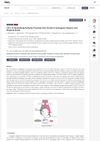 January 2024 in “International Journal of Molecular Sciences”
 Blocking the protein CXCL12 with a specific antibody can increase hair growth in common hair loss conditions.
 January 2024 in “Journal of Biosciences and Medicines”
 Future treatments for androgenic alopecia may focus on reactivating hair follicle stem cells and improving drug delivery.
 December 2023 in “Scientific Reports”
 Scientists created cell lines from balding patients and found that cells from the front of the scalp are more affected by hormones that cause hair loss than those from the back.
 June 2023 in “Food frontiers”
 Ginsenoside CK, found in Panax ginseng, can prevent hair loss by controlling certain growth pathways and promoting hair follicle development.
 January 2022 in “Food Science and Technology”
 The herbal mixture could potentially improve hair loss.
November 2021 in “Медицинский алфавит” COVID-19 can cause temporary hair loss due to stress and inflammation.
 October 2020 in “Проблемы эндокринологии”
 Men with higher androgen levels may have severe COVID-19 symptoms, but those on antiandrogen therapy are less likely to contract the virus and have milder symptoms. Anti-androgen drugs could potentially treat COVID-19, but more research is needed.
July 2012 in “International Journal of Trichology” Understanding hair health and disorders is important for effective treatment.
 December 2021 in “Medicina estética”
 Serenoa repens may help treat hair loss but is less effective than common medications and needs more research to confirm its effectiveness.
February 2015 in “American journal of medical and biological research” Balding hair follicles have less growth-promoting factors and more inhibitory factors, leading to hair loss.
122 citations
,
August 2020 in “Tropical Diseases Travel Medicine and Vaccines” COVID-19 severely affects older adults with chronic heart, lung, or metabolic diseases.
 80 citations
,
April 2006 in “Clinical Interventions in Aging”
80 citations
,
April 2006 in “Clinical Interventions in Aging” Minoxidil and Finasteride are effective for male baldness; more research is needed for hair aging treatments.
10 citations
,
December 2020 in “Frontiers in Medicine” Men are more at risk for severe COVID-19 due to biological differences, suggesting the need for targeted treatments.
 September 2024 in “Journal of Cutaneous and Aesthetic Surgery”
 Bicalutamide may help treat female pattern hair loss.
Knee laxity varies with menstrual cycle phases, being highest during ovulation and menstruation, and is influenced by sex-steroids.
March 2009 in “Dermatology Online Journal” Manipulating EGFR signaling may help treat hair loss and promote hair growth.