
The document concludes that accurate diagnosis and management of PCOS are crucial due to its associated health risks.
 August 2012 in “Pharmaceutical Medicine”
 The document concludes that various medications and treatments can have significant, sometimes adverse, effects on health outcomes.
 June 2012 in “Springer eBooks”
 Eating disorders can cause various hair problems, and while hair loss in these disorders is linked to metabolic syndrome, treatment focuses on specific medications and lifestyle changes for the syndrome.
 May 2010 in “Current Women's Health Reviews”
 The document concludes that early diagnosis and treatment of PCOS in teenagers is important for managing symptoms and preventing long-term health problems.
 January 2009 in “Elsevier eBooks”
 Some plant-based treatments may help with ovary function, insulin resistance, and excess male hormones in PCOS, but more research is needed to confirm their safety and effectiveness.
 June 2003 in “Journal of Investigative Dermatology Symposium Proceedings”
 Advancements in hair biology include new treatments and tools for hair growth and alopecia.
 July 1996 in “Trends in Endocrinology and Metabolism”
 The book is a valuable reference on androgenic disorders for professionals but not suitable for laypeople or medical students.
October 2022 in “Biomedicines” Finasteride in male rats causes liver and metabolic issues in their offspring.
 November 2017 in “British Journal of Dermatology”
 Genes controlling hair growth and immune response are disrupted in male pattern baldness.
 24 citations
,
January 2001 in “Dermatologic clinics”
24 citations
,
January 2001 in “Dermatologic clinics” Hormonal therapy is a treatment option for acne, the only medical treatment for hirsutism, and the most promising for androgenetic alopecia.
 56 citations
,
January 2015 in “Circulation”
56 citations
,
January 2015 in “Circulation” Finasteride helps reduce heart issues and improves heart function.
 11 citations
,
July 2017 in “Expert Opinion on Investigational Drugs”
11 citations
,
July 2017 in “Expert Opinion on Investigational Drugs” New hair loss treatments may include topical medications, injections, and improved transplant methods.
 28 citations
,
May 2018 in “Scientific reports”
28 citations
,
May 2018 in “Scientific reports” Exercise improves insulin sensitivity and hormone regulation in PCOS rats.
 5 citations
,
June 2015 in “International Journal of Women's Dermatology”
5 citations
,
June 2015 in “International Journal of Women's Dermatology” Hirsutism, excessive hair growth in women, is often caused by PCOS and can be managed with medication and personalized treatment plans.
 2 citations
,
January 2025 in “Frontiers in Pharmacology”
2 citations
,
January 2025 in “Frontiers in Pharmacology” Purple corn extract may help reduce prostate enlargement and inflammation.
 1265 citations
,
October 2013 in “The Journal of Clinical Endocrinology and Metabolism”
1265 citations
,
October 2013 in “The Journal of Clinical Endocrinology and Metabolism” The guideline suggests using specific criteria to diagnose PCOS, recommends various treatments for its symptoms, and advises screening for related health issues.
 249 citations
,
November 2003 in “Clinical endocrinology”
249 citations
,
November 2003 in “Clinical endocrinology” Insulin resistance is a key factor in polycystic ovary syndrome, but genetics may also contribute.
231 citations
,
December 1999 in “Journal of Investigative Dermatology” Hair follicle size is mainly influenced by the number of cells and extracellular matrix volume, with cell number having a larger impact.
 174 citations
,
November 2002 in “Expert Reviews in Molecular Medicine”
174 citations
,
November 2002 in “Expert Reviews in Molecular Medicine” Hair loss needs more research for better treatments.
 165 citations
,
February 1994 in “Fertility and Sterility”
165 citations
,
February 1994 in “Fertility and Sterility” Flutamide is more effective and has fewer side effects than spironolactone for treating hirsutism.
 124 citations
,
June 2002 in “Best Practice & Research Clinical Endocrinology & Metabolism”
124 citations
,
June 2002 in “Best Practice & Research Clinical Endocrinology & Metabolism” Polycystic Ovary Syndrome likely starts in childhood and may be genetic and influenced by early hormone exposure.
 111 citations
,
October 2008 in “Nature Genetics”
111 citations
,
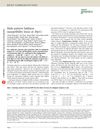
October 2008 in “Nature Genetics” Researchers found a new gene area linked to male-pattern baldness, which, along with another gene, significantly increases the risk of hair loss in men.
 100 citations
,
July 2004 in “The Journal of Sexual Medicine”
100 citations
,
July 2004 in “The Journal of Sexual Medicine” Hormones like estrogen, testosterone, progesterone, and prolactin play complex roles in female sexual function, with testosterone potentially improving sexual desire, arousal, and satisfaction. However, more research is needed to establish safe and effective hormone treatments for female sexual dysfunction.
 96 citations
,
September 2008 in “Seminars in Cutaneous Medicine and Surgery”
96 citations
,
September 2008 in “Seminars in Cutaneous Medicine and Surgery” Hormonal treatments, including birth control and antiandrogens, can effectively treat acne in women.
 91 citations
,
August 2015 in “Anais Brasileiros De Dermatologia”
91 citations
,
August 2015 in “Anais Brasileiros De Dermatologia” Female Pattern Hair Loss affects women's self-esteem and needs more research for better treatment.
89 citations
,
August 2013 in “PloS one” Androgen receptors are active in many tissues of both male and female mice, not just reproductive organs.
 82 citations
,
January 2000 in “Hormone Research in Paediatrics”
82 citations
,
January 2000 in “Hormone Research in Paediatrics” DHEA stimulates skin oil glands and could help postmenopausal women, with potential for acne and excessive hair growth treatments.
 78 citations
,
January 2000 in “Gynecological Endocrinology”
78 citations
,
January 2000 in “Gynecological Endocrinology” Norgestimate is the most effective birth control progestin for reducing an enzyme linked to acne and excessive hair growth in women.
 70 citations
,
April 2014 in “Annales d'endocrinologie”
70 citations
,
April 2014 in “Annales d'endocrinologie” New genes and pathways are important for testosterone production and male sexual development.
 68 citations
,
May 2011 in “European Journal of Dermatology”
68 citations
,
May 2011 in “European Journal of Dermatology” Acne is caused by genetics, diet, hormones, and bacteria, with treatments not yet curative.