2 citations
,
January 2020 in “bioRxiv (Cold Spring Harbor Laboratory)” Androgen signaling reduces Wnt activity, affecting prostate stem cell growth.
 26 citations
,
May 2012 in “Cellular and Molecular Life Sciences”
26 citations
,
May 2012 in “Cellular and Molecular Life Sciences” NcoA4 may have roles beyond helping control gene activity, possibly affecting cell behavior and stability.
31 citations
,
March 2010 in “Molecular Endocrinology” Androgens like testosterone increase colon muscle contractions by affecting calcium pathways.
1 citations
,
April 2015 in “The FASEB Journal” Blocking androgens in male rats increased estrogen and made them more active.
 August 1994 in “Journal of dermatological science”
 Mouse hair cells respond to male hormones by growing less, and this can be stopped by certain blockers.
 46 citations
,
June 2015 in “Journal of Investigative Dermatology”
46 citations
,
June 2015 in “Journal of Investigative Dermatology” Androgen receptor activity blocks Wnt/β-catenin signaling, affecting hair growth and skin cell balance.
 38 citations
,
September 2006 in “Journal of Dermatological Science”
38 citations
,
September 2006 in “Journal of Dermatological Science” Ketoconazole lotion can improve hair regrowth for some people with androgenetic alopecia.
 1 citations
,
December 2022 in “Pharmaceuticals”
1 citations
,
December 2022 in “Pharmaceuticals” Noni fruit extract, specifically the FEA-3 sub-fraction, can increase hair growth and reduce baldness in male rabbits, potentially acting like common hair loss treatments.
147 citations
,
October 2004 in “Experimental dermatology” Hormones like testosterone affect skin functions and can cause skin issues when in excess; treatments to manage these effects are only somewhat effective.
 9 citations
,
July 2021 in “Essays in Biochemistry”
9 citations
,
July 2021 in “Essays in Biochemistry” Sex hormones may influence COVID-19 severity, with males at higher risk, and certain hormone therapies could potentially treat the virus.
 1 citations
,
January 2022 in “European Journal of Pharmacology”
1 citations
,
January 2022 in “European Journal of Pharmacology” Riboflavin 5′-phosphate (FMN) shows potential for treating androgen-related conditions but may be limited in treating prostate cancer.
 20 citations
,
February 2009 in “Chemistry & Biodiversity”
20 citations
,
February 2009 in “Chemistry & Biodiversity” Ganoderma lucidum may help treat prostate cancer by blocking male hormones and slowing cancer cell growth.
 57 citations
,
February 1983 in “The Journal of clinical endocrinology and metabolism/Journal of clinical endocrinology & metabolism”
57 citations
,
February 1983 in “The Journal of clinical endocrinology and metabolism/Journal of clinical endocrinology & metabolism” Dihydrotestosterone increases the activity of an enzyme in pubic skin cells that converts testosterone to dihydrotestosterone.
 51 citations
,
January 1989 in “Journal of Investigative Dermatology”
51 citations
,
January 1989 in “Journal of Investigative Dermatology” Men with male-pattern baldness have more androgen receptors in their scalp's oil glands, which may contribute to hair loss.
 15 citations
,
January 2009 in “International Journal of Andrology”
15 citations
,
January 2009 in “International Journal of Andrology” Liquorice may reduce testosterone and affect male reproductive organs, potentially helping treat conditions like prostate cancer.
 15 citations
,
April 2008 in “Steroids”
15 citations
,
April 2008 in “Steroids” The more lipophilic the progesterone derivative, the better it binds to androgen receptors and has antiandrogenic effects.
 April 2026 in “microPublication”
 Minoxidil might partially activate estrogen receptors, affecting hair growth.
January 2026 in “Industrial Crops and Products” Ginsenoside Rf from Panax ginseng promotes hair growth and could be a natural alternative for treating hair loss.
 January 1995 in “Adolescent and pediatric gynecology”
 Mutations in the androgen receptor gene cause different levels of androgen insensitivity, making it hard to create simple tests for the condition.
56 citations
,
November 2007 in “Molecular and cellular endocrinology” Two enzymes regulate androgen receptor activity, affecting treatments for androgen insufficiency and benign prostatic hyperplasia.
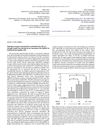 19 citations
,
September 2011 in “Journal of Dermatological Science”
19 citations
,
September 2011 in “Journal of Dermatological Science” TGF-β1 increases androgen receptor activity in hair loss, but Hic-5/ARA55 can counter this effect.
 18 citations
,
February 2018 in “International Journal of Molecular Sciences”
18 citations
,
February 2018 in “International Journal of Molecular Sciences” PGD2 increases androgen receptor activity in hair cells, which could be targeted to treat hair loss.
24 citations
,
February 2007 in “Hormone and metabolic research” The substance MK386 effectively blocked testosterone conversion and reduced cell growth in certain skin cells, but inhibiting 5α-reductase alone may not greatly improve acne.
 11 citations
,
July 2015 in “Gene”
11 citations
,
July 2015 in “Gene” DHT affects bone growth by altering gene activity in osteoblasts, potentially complicating steroid use.
 January 2026 in “Stem Cell Research & Therapy”
 ASLNC168501 can help treat hair loss by restoring hair follicle stem cell function.
 April 2011 in “Vestnik dermatologii i venerologii”
 Certain gene variations and irregular X chromosome activity may contribute to hair loss in women who can have children.
 37 citations
,
January 2008 in “Gynecological Endocrinology”
37 citations
,
January 2008 in “Gynecological Endocrinology” Shorter CAG repeats in a specific gene may increase male hormone activity and symptoms like acne and excess hair in women with PCOS.
 2 citations
,
June 2022 in “Molecules”
2 citations
,
June 2022 in “Molecules” Connarus semidecandrus Jack extract promotes hair growth and thickness, reduces prostate cancer cell growth, and could potentially be used as a treatment for hair loss.
 January 2025 in “International Journal of Dermatology Research”
 Anagen grow may effectively treat hair loss by blocking testosterone and reducing enzyme activity.
 January 2009 in “Egyptian Journal of Medical Human Genetics”
 The study suggests that a specific gene variation and higher gene activity are linked to increased baldness in Egyptian men.