 3 citations
,
February 2018 in “Journal of evolution of medical and dental sciences”
3 citations
,
February 2018 in “Journal of evolution of medical and dental sciences” Some ovarian tumors can cause masculinization, and it's important to check for various causes when this symptom is present.
January 2026 in “Clinics in Dermatology” Managing menopause symptoms like skin changes and hair thinning involves hormone therapy, procedures, and skincare, with emotional support being important.
 January 2024 in “Experimental and clinical endocrinology & diabetes”
 A low-glycemic diet improved hormone levels and well-being in overweight women with high androgen levels.
 August 2009 in “International Journal of Dermatology”
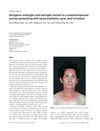
 A postmenopausal woman's facial redness, acne, and excess hair were caused by too much hormone therapy for insomnia, but improved after stopping the treatment.
January 2020 in “International Journal of Trichology” Androgen-producing ovarian tumors can cause male-pattern hair loss in women.
December 1976 in “PubMed” Androgens affect skin conditions like acne and hirsutism, treatable with hormone therapy and other methods.
 31 citations
,
September 2006 in “The Journal of Clinical Endocrinology & Metabolism”
31 citations
,
September 2006 in “The Journal of Clinical Endocrinology & Metabolism” Testosterone therapy may slightly improve sexual function in postmenopausal women, but its long-term safety is unknown.
 1540 citations
,
October 2008 in “Fertility and Sterility”
1540 citations
,
October 2008 in “Fertility and Sterility” The report concludes that PCOS is mainly a condition of excess male hormones and its definition may change as new information is discovered.
 29 citations
,
January 2006 in “Clinical chemistry and laboratory medicine”
29 citations
,
January 2006 in “Clinical chemistry and laboratory medicine” SHBG binding properties are unchanged in male liver cirrhosis patients.
 14 citations
,
September 2015 in “Expert Opinion on Therapeutic Targets”
14 citations
,
September 2015 in “Expert Opinion on Therapeutic Targets” The conclusion is that while oral contraceptive pills are effective for PCOS-related high androgen levels, new treatments with fewer side effects are needed.
January 2025 in “Open Science Framework” Nutritional interventions can help restore balance in male health by targeting oxidative stress and hormonal issues.
 1 citations
,
November 2002 in “Endocrine practice”
1 citations
,
November 2002 in “Endocrine practice” The patient's high testosterone was reduced by a medication that suppresses gonadotropin.
 76 citations
,
January 2007 in “American Journal of Clinical Dermatology”
76 citations
,
January 2007 in “American Journal of Clinical Dermatology” Women with PCOS often have skin problems like excessive hair, acne, hair loss, and dark patches, which can be treated with hormonal and non-hormonal therapies.
65 citations
,
December 1986 in “The Journal of Clinical Endocrinology & Metabolism” The woman had a genetic condition causing high cortisol and androgen levels, treatable with dexamethasone.
January 2021 in “Voprosy ginekologii akušerstva i perinatologii” Effective management of hyperandrogenism in young women requires accurate diagnosis and tailored treatment.
2 citations
,
March 2018 in “BMJ Case Reports” Check hormone levels in older women to find hidden conditions like certain tumors.
 5 citations
,
March 2020 in “Current Opinion in Endocrine and Metabolic Research”
5 citations
,
March 2020 in “Current Opinion in Endocrine and Metabolic Research” Skin problems in PCOS, like excess hair, acne, and hair loss, may not always indicate high male hormone levels and need careful diagnosis for proper treatment.
Depressed teens have different steroid levels in urine, which may help identify and treat them.
17 citations
,
February 2004 in “PubMed” PCOS treatment focuses on inducing ovulation, reducing androgens, and managing long-term health risks with medications and lifestyle changes.
 1 citations
,
July 2022 in “Case reports in endocrinology”
1 citations
,
July 2022 in “Case reports in endocrinology” A 70-year-old woman with a malignant adrenal tumor improved after surgery and radiotherapy.
17 citations
,
December 2021 in “Reproductive Biology and Endocrinology” Statins can reduce androgen levels and improve symptoms in women with PCOS.
The case showed the need for quick investigation of virilization in women and how emotional health is linked to physical health.
60 citations
,
June 1997 in “Baillière's clinical obstetrics and gynaecology” PCOS is often caused by hormonal imbalances that can lead to various health issues and may indicate a risk for future metabolic and cardiovascular problems.
 42 citations
,
January 2006 in “Obstetrical & Gynecological Survey”
42 citations
,
January 2006 in “Obstetrical & Gynecological Survey” The document concludes that correct diagnosis and management of PCOS are important, and more research is needed on its risks and treatments.
 36 citations
,
May 2011 in “The Journal of Clinical Endocrinology & Metabolism”
36 citations
,
May 2011 in “The Journal of Clinical Endocrinology & Metabolism” Treatment with a hormone agonist can reduce excess male hormones in postmenopausal women without surgery.
 9 citations
,
December 2024 in “Clinical and Experimental Obstetrics & Gynecology”
9 citations
,
December 2024 in “Clinical and Experimental Obstetrics & Gynecology” PCOS is a major cause of infertility and requires personalized treatment.
 4 citations
,
January 2022 in “Open Health”
4 citations
,
January 2022 in “Open Health” Eating healthy, exercising, and changing behaviors are the best first steps to treat Polycystic Ovary Syndrome (PCOS).
 November 2025 in “International Journal of Recent Innovations in Medicine and Clinical Research”
 Understanding different types of hair loss helps in accurate diagnosis and treatment.
April 2025 in “Journal of Clinical Medicine” Long-term healthy eating lowers testosterone and improves health in women with suspected PCOS.
April 2025 in “International Journal of Dermatology” Renaming frontal fibrosing alopecia to a syndrome could improve diagnosis and treatment.