 January 2019 in “Springer eBooks”
 Acne is linked to inflammation and insulin resistance, and is associated with various syndromes that require different treatments.
 January 2018 in “Springer eBooks”
 Gender affects hair and scalp characteristics, with differences in hormone responses, graying patterns, and trace metals.
 January 2016 in “Human & Experimental Toxicology”
 A specific DNA sequence caused hair loss in male mice by activating immune cells and increasing a certain immune signal.
 July 2015 in “Cambridge University Press eBooks”
 The document concludes that careful history and physical exams are crucial for accurately diagnosing polycystic ovary syndrome and distinguishing it from other similar conditions.
 January 2014 in “Side effects of drugs annual”
 Exposure to certain sex hormones can increase health risks, while some hormone therapies may offer benefits for specific conditions.

The document concludes that accurate diagnosis and management of PCOS are crucial due to its associated health risks.
 January 2009 in “Elsevier eBooks”
 Some plant-based treatments may help with ovary function, insulin resistance, and excess male hormones in PCOS, but more research is needed to confirm their safety and effectiveness.
 June 2008 in “British Journal of Dermatology”
 UK medical students lack dermatology education, liver biopsy patients with risk factors show more fibrosis, and certain fungi resist drugs due to melanin; genetics may influence female hair loss.
 May 2003 in “Facial Plastic Surgery Clinics of North America”
 Hair loss can be treated with medications like minoxidil and finasteride or surgery, but treatment effectiveness varies by alopecia type and accurate diagnosis is important.
 January 1977 in “Case Reports in Medicine”
 Steroid cell tumors in the ovary are rare, can produce testosterone causing symptoms, and are mainly treated with surgery.
 February 2026 in “Frontiers in Pharmacology”
 Genetics can help tailor treatments for male pattern hair loss, improving outcomes like stabilization or modest regrowth.
 November 2025 in “Cureus”
 PCOS-related acne can be managed by targeting hormones and insulin resistance.
 October 2021 in “The Egyptian Journal of Hospital Medicine ”
 Combination therapies work better than single treatments for atrophic acne scars.
PCOS is a common hormonal disorder with symptoms like irregular periods and excess hair growth, managed with lifestyle changes and medications.
 October 2016 in “Elsevier eBooks”
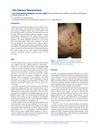
 Common noncancerous skin diseases have various treatments, including topical applications, light therapy, surgery, and medications, with psychological support being important.
 January 2021 in “International Journal of Dermatology”
 Possible link between COVID-19 and hair loss; more research needed.
 January 2018 in “Przegla̧d dermatologiczny”
 Hair loss may increase heart disease risk.
 September 1997 in “JEADV. Journal of the European Academy of Dermatology and Venereology/Journal of the European Academy of Dermatology and Venereology”
 The document concludes that treatments like oral anti-androgens, minoxidil, and topical spironolactone can be effective for hair loss in men and women.
 83 citations
,
May 1999 in “International Journal of Dermatology”
83 citations
,
May 1999 in “International Journal of Dermatology” Hair loss that spreads out can often fix itself or be treated by finding and handling the cause.
 31 citations
,
December 2010 in “International Journal of Andrology”
31 citations
,
December 2010 in “International Journal of Andrology” Men with testicular cancer were less likely to experience baldness and severe acne.
 28 citations
,
October 1998 in “Baillière's clinical endocrinology and metabolism”
28 citations
,
October 1998 in “Baillière's clinical endocrinology and metabolism” Testosterone replacement may help post-menopausal women with androgen insufficiency, but more research is needed on its benefits and risks.
 23 citations
,
March 2009 in “Skin Pharmacology and Physiology”
23 citations
,
March 2009 in “Skin Pharmacology and Physiology” Hair loss in men and women is linked to high stress hormone levels and other hormonal imbalances, suggesting treatments should be customized to each person's hormones.
January 2020 in “Revista Dermatológica Centro Uraga” Recognizing trichoscopic features is crucial for diagnosing various hair loss conditions.
 4 citations
,
August 2005 in “Archives of Dermatological Research”
4 citations
,
August 2005 in “Archives of Dermatological Research” Higher p63 and CD34 levels found in specific scalp areas may affect hair loss progression.
 39 citations
,
September 2000 in “Obstetrics and Gynecology Clinics of North America”
39 citations
,
September 2000 in “Obstetrics and Gynecology Clinics of North America” Insulin-lowering medications show promise for PCOS symptoms but can't be the main treatment yet due to limited long-term research.
 32 citations
,
January 2019 in “American Journal of Clinical Dermatology”
32 citations
,
January 2019 in “American Journal of Clinical Dermatology” Minoxidil helps treat eyebrow thinning, monilethrix, early hair loss, and shortens chemo-related hair loss.
 31 citations
,
June 2011 in “Movement Disorders”
31 citations
,
June 2011 in “Movement Disorders” The document describes a woman with familial Parkinson's disease due to a genetic mutation, showing severe symptoms and poor response to treatment, and suggests finasteride may help reduce symptoms in Tourette syndrome.
 29 citations
,
March 2019 in “British Journal of Dermatology”
29 citations
,
March 2019 in “British Journal of Dermatology” Acne is significantly influenced by genetics, and understanding its genetic basis could lead to better, targeted treatments.
 28 citations
,
January 2021 in “Skin appendage disorders”
28 citations
,
January 2021 in “Skin appendage disorders” COVID-19 may cause early hair loss similar to classic temporary hair loss, with further research needed.
 18 citations
,
April 2016 in “Endocrinology and Metabolism Clinics of North America”
18 citations
,
April 2016 in “Endocrinology and Metabolism Clinics of North America” The document concludes that diagnosing PCOS in teenagers is difficult and should focus on specific hormone levels and menstrual irregularities, while also considering treatment for symptoms and related health issues.