 September 2021 in “CRC Press eBooks”
 Alopecia areata incognita causes sudden hair thinning, responds well to steroids, and is more common in those with genetic hair loss conditions.
 March 2011 in “European Urology Supplements”
 Blood tests for tumor cells could improve prostate cancer diagnosis and treatment; hair loss severity linked to a gene affecting prostate conditions.
 117 citations
,
May 2017 in “Human Reproduction Update”
117 citations
,
May 2017 in “Human Reproduction Update” The update highlights that non-classic congenital adrenal hyperplasia is common in women with excess male hormones, requires specific hormone tests for diagnosis, and has various treatment options depending on age and symptoms.
November 2007 in “Data Archiving and Networked Services (DANS)” Androgen receptors play a key role in male development and prostate cancer, with treatments targeting androgen action.
 43 citations
,
April 2017 in “Experimental Dermatology”
43 citations
,
April 2017 in “Experimental Dermatology” Female pattern hair loss has unclear causes, possibly involving genetics, hormones, and environment, and needs better treatments.
24 citations
,
January 2018 in “Indian Journal of Dermatology, Venereology and Leprology” Androgenetic alopecia is mainly caused by genetic factors and increased androgen activity, leading to hair follicle miniaturization.

research Acne
2 citations
,
May 2011 in “Harper's Textbook of Pediatric Dermatology” Acne is a common skin condition linked to diet, hormones, and genetics, and early treatment can prevent scarring.
 124 citations
,
August 1990 in “British Journal of Dermatology”
124 citations
,
August 1990 in “British Journal of Dermatology” Diffuse alopecia in women may be related to androgens and iron deficiency, and basic hormone and nutrient screening is useful.
 97 citations
,
November 1986 in “Journal of Steroid Biochemistry”
97 citations
,
November 1986 in “Journal of Steroid Biochemistry” Antiandrogens affect androgen-dependent body functions and are used for various medical conditions, with some risks like fetus feminization, but new forms like 17α-propylmesterolone show promise for acne without systemic effects.
13 citations
,
January 2002 in “Clinics in dermatology” A mushroom extract might reduce hair loss and liver damage caused by certain chemotherapy drugs in animals.
 6 citations
,
March 1982 in “Clinical and Experimental Dermatology”
6 citations
,
March 1982 in “Clinical and Experimental Dermatology” The document says that hair loss in women is often due to androgenic alopecia, similar to male baldness, and that hirsutism is treated with hormonal and cosmetic methods.
 1 citations
,
January 2022 in “European Journal of Pharmacology”
1 citations
,
January 2022 in “European Journal of Pharmacology” Riboflavin 5′-phosphate (FMN) shows potential for treating androgen-related conditions but may be limited in treating prostate cancer.
 January 2018 in “Elsevier eBooks”
 The document explains how male reproductive hormones work and affect the body.
 March 2011 in “European Urology Supplements”
 The document concludes that a new biosensor can efficiently detect prostate cancer cells and that standardized referrals help find significant cancers effectively.
 April 2025 in “Journal of the American Academy of Dermatology”
 The study has limitations, and future research should use better methods to improve treatment for children with hair loss.
Hair disorders can be genetic or acquired, affecting hair growth and loss differently.
 August 2016 in “Journal of Investigative Dermatology”
 Different levels of microRNAs in different parts of the scalp can cause male pattern baldness.
 March 2010 in “The Journal of Urology”
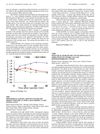
 Hair loss, prostate size, and urinary issues are related due to androgen effects.
60 citations
,
June 1997 in “Baillière's clinical obstetrics and gynaecology” PCOS is often caused by hormonal imbalances that can lead to various health issues and may indicate a risk for future metabolic and cardiovascular problems.
 26 citations
,
April 2009 in “Australasian Journal of Dermatology”
26 citations
,
April 2009 in “Australasian Journal of Dermatology” Spironolactone successfully treated hair loss in a 9-year-old girl.
 35 citations
,
January 2014 in “BioMed Research International”
35 citations
,
January 2014 in “BioMed Research International” Female pattern hair loss involves hormonal factors, genetics, and may be linked to low ferritin levels.
 11 citations
,
July 2015 in “Gene”
11 citations
,
July 2015 in “Gene” DHT affects bone growth by altering gene activity in osteoblasts, potentially complicating steroid use.
 37 citations
,
January 1997 in “Clinics in Dermatology”
37 citations
,
January 1997 in “Clinics in Dermatology” Hair problems are common and distressing for women, but increasing knowledge of treatments offers hope.
 July 2019 in “Journal of Investigative Dermatology”
 The research found that male pattern hair loss is mostly genetic and involves hair thinning due to hormonal effects and changes in gene expression.
October 2019 in “DOAJ (DOAJ: Directory of Open Access Journals)” Menopausal acne is mainly caused by hormonal changes and can be managed with topical treatments, lifestyle changes, and sometimes medication.
 16 citations
,
April 2017 in “Journal of Cosmetic Dermatology”
16 citations
,
April 2017 in “Journal of Cosmetic Dermatology” Ficus carica leaf extract may help treat skin disorders by reducing inflammation and androgen effects in skin cells.

Androgenetic alopecia, or hair loss, is caused by genetic factors and hormones, with different mechanisms in men and women, and can be linked to insulin resistance and polycystic ovary syndrome.
3 citations
,
June 2015 in “CRC Press eBooks” Male pattern hair loss affects up to 80% of men due to genetics and hormone sensitivity.
 18 citations
,
July 2019 in “Clinical Endocrinology”
18 citations
,
July 2019 in “Clinical Endocrinology” Women with PCOS in Sicily show different levels of metabolic problems depending on their PCOS type, with obesity and abnormal lipid profiles being common.
 November 2023 in “ACS Omega”
 New liposome treatment successfully delivers CRISPR to deactivate a key enzyme in androgen-related disorders.