37 citations
,
February 2023 in “Gut Microbes” Gut bacteria can lower androgen levels in male mice.
36 citations
,
October 2009 in “Journal of biological chemistry/The Journal of biological chemistry” Two new compounds were found to build bone and muscle without affecting reproductive organs and skin oil glands.
 18 citations
,
July 2010 in “Expert Review of Endocrinology & Metabolism”
18 citations
,
July 2010 in “Expert Review of Endocrinology & Metabolism” The document concludes that PCOS has a strong genetic component, but more research is needed to fully understand the specific genes involved.
12 citations
,
January 2018 in “Pharmacology & pharmacy” Pumpkin seed products may help improve prostate and bladder health by blocking certain enzymes and hormone receptors.
 8 citations
,
June 2019 in “Scientific Reports”
8 citations
,
June 2019 in “Scientific Reports” Increased PPARGC1α relates to hair thinning in common baldness.
 2 citations
,
January 2025 in “Pharmaceutical Research”
2 citations
,
January 2025 in “Pharmaceutical Research” Angelica gigas Nakai root extracts may help with cancer, pain, memory loss, and metabolic issues.
 1 citations
,
January 2022 in “BMC Genomic Data”
1 citations
,
January 2022 in “BMC Genomic Data” The study found that androgen receptors in skin cells mainly affect the focal adhesion pathway and control the caveolin-1 gene, with implications for new treatments for related diseases.
 January 2026 in “Scientific Reports”
 Sesamin may help treat hair loss by affecting specific cell pathways.
January 2026 in “Neurochemistry International” 24-Hydroxycholesterol reduces DHT formation in brain cancer cells, linking cholesterol and hormone metabolism.
 June 2025 in “Current Issues in Molecular Biology”
 Meloside A may help protect hair cells from damage linked to hair loss.
December 2023 in “International journal of molecular sciences” Chromosomal differences affect how muscle cells respond to testosterone.
 October 2023 in “ANNALS OF PAKISTAN MEDICAL & ALLIED PROFESSIONALS”
 Insulin resistance is strongly linked to higher androgen levels in women with PCOS.
 29 citations
,
February 2018 in “Genetics research international”
29 citations
,
February 2018 in “Genetics research international” Certain genetic variations are linked to increased androgen levels in PCOS, but more research is needed to understand these connections fully.
3 citations
,
January 2011 in “International journal of trichology” Low DHEA-S levels might be linked to alopecia areata and could be a potential treatment target.
 34 citations
,
January 2011 in “Fundamental & Clinical Pharmacology”
34 citations
,
January 2011 in “Fundamental & Clinical Pharmacology” New treatments for PCOS show promise, but no current medication treats all aspects of the condition.
 76 citations
,
November 2009 in “Medical Clinics of North America”
76 citations
,
November 2009 in “Medical Clinics of North America” Hormones, especially androgens, play a key role in acne, which can be a symptom of systemic diseases like PCOS and may require targeted treatment.
56 citations
,
July 2014 in “PloS one” SARMs may be an effective treatment for a certain type of breast cancer by blocking cancer growth and spread.
 43 citations
,
May 1988 in “British Journal of Dermatology”
43 citations
,
May 1988 in “British Journal of Dermatology” Patients with acanthosis nigricans often have insulin resistance and signs of increased male hormones, but treatment targeting these male hormones is generally ineffective.
 18 citations
,
May 2020 in “Biomolecules”
18 citations
,
May 2020 in “Biomolecules” Spironolactone, a heart and liver drug, has new uses including cancer treatment, viral infection prevention, and skin condition improvement.
 11 citations
,
November 2022 in “Journal of Endocrinological Investigation”
11 citations
,
November 2022 in “Journal of Endocrinological Investigation” Hormonal treatments can change hair and skin in transgender people, but may not fully achieve desired results.
 3 citations
,
November 2005 in “Women's health”
3 citations
,
November 2005 in “Women's health” Excessive body hair in women can be caused by various conditions and treated with medication like Diane® 35 or androgen blockers.
 197 citations
,
January 2019 in “Neuropsychopharmacology”
197 citations
,
January 2019 in “Neuropsychopharmacology” Male and female bodies respond differently to stress, influenced by hormones and development stages, with implications for stress-related diseases.
 97 citations
,
November 1986 in “Journal of Steroid Biochemistry”
97 citations
,
November 1986 in “Journal of Steroid Biochemistry” Antiandrogens affect androgen-dependent body functions and are used for various medical conditions, with some risks like fetus feminization, but new forms like 17α-propylmesterolone show promise for acne without systemic effects.
 2 citations
,
November 2025 in “Journal of Ovarian Research”
2 citations
,
November 2025 in “Journal of Ovarian Research” Reducing granulosa cell pyroptosis may improve oocyte maturation in PCOS.
November 2025 in “Journal of Investigative Dermatology” Minoxidil helps hair growth by improving blood vessel function.
 88 citations
,
June 2016 in “Human Reproduction Update”
88 citations
,
June 2016 in “Human Reproduction Update” New hormonal contraceptives are safer, have fewer side effects, and offer health benefits for women.
 65 citations
,
February 2009 in “The journal of investigative dermatology/Journal of investigative dermatology”
65 citations
,
February 2009 in “The journal of investigative dermatology/Journal of investigative dermatology” Anti-acne medications may work by reducing the activity of a protein involved in acne development.
36 citations
,
February 2007 in “Journal of biological chemistry/The Journal of biological chemistry” The vitamin D receptor can work without its usual activating molecule.
 April 2026 in “Inflammation and Regeneration”
 AKR1C enzymes in scalp glands decrease with age, possibly affecting hair loss.
 October 2025 in “World Journal of Biology Pharmacy and Health Sciences”
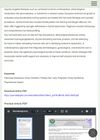
 Hormonal imbalances can cause acne, excess hair growth, and hair loss in women, needing combined medical and emotional care.