24 citations
,
October 2012 in “The International Journal of Biochemistry & Cell Biology” Testosterone protects female heart cells from stress by activating estrogen receptors.
2 citations
,
April 2024 in “Journal of Dermatological Science” Necrosulfonamide helps hair grow by blocking a protein linked to hair loss.
4 citations
,
June 2025 in “MedComm” PROTACs show promise for cancer treatment, but designing them effectively is challenging.
 July 2023 in “Dermatology and Therapy”
 5-Alpha Reductase Inhibitors are effective for male hair loss and some skin conditions, but their effectiveness in women and safety concerns require careful use.
 2 citations
,
July 2022 in “Frontiers in Medicine”
2 citations
,
July 2022 in “Frontiers in Medicine” The cause of Frontal fibrosing alopecia, a type of hair loss, is complex, likely involving immune responses and genetics, but is not fully understood.
 December 2020 in “Current Sexual Health Reports”
 Finasteride can have lasting negative effects on brain function and behavior by disrupting neurosteroid production.
 20 citations
,
August 2005 in “Journal of Cutaneous Pathology”
20 citations
,
August 2005 in “Journal of Cutaneous Pathology” The protein ARA70/ELE1 is involved in male pattern baldness, and lower levels of its short form may lead to hair thinning.
 76 citations
,
April 2005 in “Cancer Epidemiology, Biomarkers & Prevention”
76 citations
,
April 2005 in “Cancer Epidemiology, Biomarkers & Prevention” E211 G>A gene linked to lower risk of severe prostate cancer and hair loss.
 121 citations
,
November 2020 in “Endocrine”
121 citations
,
November 2020 in “Endocrine” Male hormones like testosterone may make COVID-19 worse, and testing for sensitivity to these hormones could help predict how severe a patient's symptoms might be. Treatments that reduce these hormones are being explored.
 56 citations
,
August 2005 in “Journal of Investigative Dermatology Symposium Proceedings”
56 citations
,
August 2005 in “Journal of Investigative Dermatology Symposium Proceedings” Different women's hair and skin glands respond to hormones in varied ways, which can cause unwanted hair growth even with normal hormone levels, and more research is needed to treat this effectively.
 46 citations
,
June 2015 in “Journal of Investigative Dermatology”
46 citations
,
June 2015 in “Journal of Investigative Dermatology” Androgen receptor activity blocks Wnt/β-catenin signaling, affecting hair growth and skin cell balance.
 29 citations
,
July 2009 in “BJU international”
29 citations
,
July 2009 in “BJU international” Blocking DHT production more strongly may help control advanced prostate cancer and improve quality of life.
 11 citations
,
August 2009 in “Expert Opinion on Drug Discovery”
11 citations
,
August 2009 in “Expert Opinion on Drug Discovery” We need better ways to test and understand SARMs to make safer and more effective treatments.
 2 citations
,
November 2017 in “Elsevier eBooks”
2 citations
,
November 2017 in “Elsevier eBooks” Different substances that activate or block the androgen receptor can affect male development and treat conditions like prostate cancer.
 6 citations
,
January 2013 in “Genetics and Molecular Research”
6 citations
,
January 2013 in “Genetics and Molecular Research” Women with hair loss have more androgen receptors in certain hair follicles.
 4 citations
,
April 1999 in “Dermatologic Clinics”
4 citations
,
April 1999 in “Dermatologic Clinics” Androgens, like DHT, affect hair growth and treatments like finasteride may help.
 February 2010 in “ePrints Soton (University of Southampton)”
 Male sexual differentiation is regulated independently, while female differentiation occurs in an androgenic environment, affecting conditions like congenital adrenal hyperplasia.
 22 citations
,
October 2011 in “Bone”
22 citations
,
October 2011 in “Bone” Androgens affect bone and fat cell development differently based on the cells' embryonic origin.
 658 citations
,
June 2003 in “Endocrine reviews”
658 citations
,
June 2003 in “Endocrine reviews” Male hormones may play a role in the development of heart disease, and more research is needed to understand their effects.
 30 citations
,
November 2013 in “PLOS ONE”
30 citations
,
November 2013 in “PLOS ONE” Androgen receptor signaling causes early aging of cells important for hair growth by damaging their DNA.
 12 citations
,
December 2012 in “Current Drug Targets”
12 citations
,
December 2012 in “Current Drug Targets” The Androgen Receptor could be a target for treating diseases like cancer, but more research is needed to confirm the effectiveness of potential treatments.
 9 citations
,
June 2021 in “International Journal of Pharmaceutics”
9 citations
,
June 2021 in “International Journal of Pharmaceutics” Using polymeric micelles to deliver spironolactone topically could improve wound healing in skin affected by glucocorticoids.
 December 2023 in “Frontiers in endocrinology”
 Excess androgens may cause PCOS, not just be a symptom.
 58 citations
,
January 2003 in “Thrombosis and Haemostasis”
58 citations
,
January 2003 in “Thrombosis and Haemostasis” Testosterone may slow down wound healing and increase inflammation.
 May 2024 in “Scientific Reports”
 Androgen receptors in the mouse brain may explain cognitive and mood changes in prostate cancer treatment.
 34 citations
,
July 2020 in “Frontiers in immunology”
34 citations
,
July 2020 in “Frontiers in immunology” Androgens may influence T cells, contributing to higher autoimmune liver disease risk in women.
 18 citations
,
January 2001 in “Annual Reports in Medicinal Chemistry”
18 citations
,
January 2001 in “Annual Reports in Medicinal Chemistry” Selective Androgen Receptor Modulators (SARMs) are drugs that can control the effects of androgens in different tissues, potentially having fewer side effects and promising for treating various conditions.
 25 citations
,
September 2020 in “Molecules”
25 citations
,
September 2020 in “Molecules” Quercitrin may help treat hair loss by promoting hair growth and improving cell health.
 11 citations
,
May 2010 in “Journal of Medicinal Chemistry”
11 citations
,
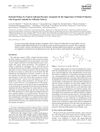
May 2010 in “Journal of Medicinal Chemistry” A new compound was created in 2010 that can control oil production when applied to the skin, and its effects are completely reversible after two weeks.
 9 citations
,
January 2016 in “Skin Pharmacology and Physiology”
9 citations
,
January 2016 in “Skin Pharmacology and Physiology” The study concluded that both estrogen and androgen receptors, which decrease with age, are linked to skin aging and may be hormonally regulated.