January 2014 in “edoc (University of Basel)” Anabolic steroids and inflammation can disrupt androgen metabolism, potentially causing health issues.
January 2014 in “theses.fr (ABES)” Androgens regulate Sertoli cells and affect fertility through specific receptors and coregulators.
 December 2013 in “Macedonian Journal of Medical Sciences”
 Ovarian steroid cell tumors should be considered in adults with hirsutism and high testosterone, with surgery as the main treatment.
 August 2013 in “Fertility and Sterility”
 PCOS may be influenced by factors in the blood, not just the ovaries.
 April 2010 in “The Journal of Urology”
 The research found that androgens help control blood flow in the rat prostate through a specific binding site.
 February 2010 in “ePrints Soton (University of Southampton)”
 Male sexual differentiation is regulated independently, while female differentiation occurs in an androgenic environment, affecting conditions like congenital adrenal hyperplasia.
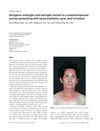 August 2009 in “International Journal of Dermatology”
 A postmenopausal woman's facial redness, acne, and excess hair were caused by too much hormone therapy for insomnia, but improved after stopping the treatment.
 September 2008 in “Fertility and Sterility”
 Free fatty acids may increase androgen production, potentially contributing to polycystic ovary syndrome.
March 2008 in “The Knowledge Bank (The Ohio State University)” SARM-induced changes in the androgen receptor are specific to each ligand and affect stability and protein interactions.
 October 2007 in “Postgraduate obstetrics & gynecology”
 Testosterone therapy can help with androgen deficiency in women but should be used with caution and monitoring due to potential risks.
 October 2007 in “Postgraduate obstetrics & gynecology”
 Testosterone therapy can help postmenopausal women with low sexual desire but needs more safety research and should be used with estrogen therapy.
 April 2006 in “Current Opinion in Endocrinology & Diabetes”
 Testosterone therapy can help improve sexual function, mood, and bone density in women with low androgen levels, but more research is needed on long-term safety.
January 2004 in “Elsevier eBooks” Anti-androgen drugs can treat conditions like prostate cancer and male pattern baldness by blocking effects of testosterone and DHT.
 January 1995 in “Adolescent and pediatric gynecology”
 Mutations in the androgen receptor gene cause different levels of androgen insensitivity, making it hard to create simple tests for the condition.
November 1978 in “PubMed” Antiandrogenic treatments can effectively manage certain skin conditions by using female hormones.
January 2025 in “Human Reproduction Open” 25% of premenopausal women with Type 1 diabetes have undiagnosed androgen excess disorders.
 September 2016 in “Más dermatología”
 New factors in female hair loss include genetics, hormones, stress, and inflammation; future treatments should also focus on these areas and consider the patient's emotional well-being.
 May 2015 in “Endocrinología y nutrición”
 The conclusion is that adult males with muscle weakness and hormonal imbalances should be tested for Kennedy's disease.

Avicennia marina extract and avicequinone C can potentially promote hair growth and treat hair loss by interfering with hair loss mechanisms and boosting growth factors.
 April 2023 in “Journal of Investigative Dermatology”
 Exosomes from certain stem cells can fight hair loss by promoting hair growth and maintaining the growth phase of hair.
March 2023 in “Natural product sciences” Celtis choseniana may help treat hair loss by reducing androgen effects and boosting hair growth signals.
February 2023 in “Research Square (Research Square)” Autologous Cellular Micrografts effectively treat hair loss with significant improvements and no dangerous side effects.
February 2023 in “Medicine in novel technology and devices” Microneedles with traditional Chinese medicine can help regrow hair in androgenic alopecia.
January 2023 in “Iranian Journal of Pharmaceutical Research” Stauntonia hexaphylla extract can help treat hair loss by blocking certain hormones.
January 2023 in “ALEXMED ePosters (Online)” Alopecia patients have a higher risk of heart disease.
December 2022 in “Scientia Pharmaceutica” PRP is more effective than minoxidil and placebo for treating hair loss.
December 2022 in “Plastic and Reconstructive Surgery” PRP is an effective and safe treatment for hair loss.
 December 2022 in “Rossiiskii Zhurnal Kozhnykh i Venericheskikh Boleznei”
 Androgenic alopecia in men is mainly linked to family history, hormonal imbalances, and metabolic issues, but can also be influenced by lifestyle habits, environmental factors, and deficiencies in certain vitamins and microelements like copper.
 December 2022 in “Scholars journal of applied medical sciences”
 Dutasteride 0.5mg improves hair growth in 78% of people with hair loss, but may cause sexual problems in some.
December 2022 in “Dermatologie pro praxi” Combining PRP, minoxidil, and finasteride significantly improved hair regrowth.