April 2015 in “The FASEB Journal” Blocking androgens at birth reduces sexual motivation in male rats.

Hormonal treatments can help with hair loss, acne, and excess hair growth, but it takes 3-6 months to see results and patients should know the possible side effects.
 November 2014 in “Elsevier eBooks”
 Gene mutations can cause problems in male genital development.
January 2014 in “theses.fr (ABES)” Androgens regulate Sertoli cells and affect fertility through specific receptors and coregulators.
 December 2013 in “Macedonian Journal of Medical Sciences”
 Ovarian steroid cell tumors should be considered in adults with hirsutism and high testosterone, with surgery as the main treatment.
 December 2013 in “Open Access Macedonian Journal of Medical Sciences”
 A woman's excessive hair growth and high testosterone were caused by a rare ovarian tumor, which was successfully treated with surgery.
 August 2013 in “Fertility and Sterility”
 High levels of fatty acids are linked to increased androgen production and inflammation in women with PCOS, which may affect IVF outcomes.
 August 2013 in “Fertility and Sterility”
 PCOS may be influenced by factors in the blood, not just the ovaries.
May 2013 in “UTUPub (University of Turku)” Including androgens in hormone therapy may lower breast cancer risk.
March 2012 in “Society for Endocrinology BES 2012” A new method was developed to analyze certain hormones and drugs in human blood efficiently.
 January 2012 in “Journal für Kardiologie (Krause & Pachernegg GmbH)”
 Androgens can cause acne, excess hair, and hair loss, treatable with dermatologist-guided therapies.
 April 2011 in “Vestnik dermatologii i venerologii”
 Certain gene variations and irregular X chromosome activity may contribute to hair loss in women who can have children.
 December 2010 in “Vestnik dermatologii i venerologii”
 Certain genes and X chromosome patterns may significantly contribute to the development of hair loss.
 April 2010 in “The Journal of Urology”
 The research found that androgens help control blood flow in the rat prostate through a specific binding site.
 February 2010 in “ePrints Soton (University of Southampton)”
 Male sexual differentiation is regulated independently, while female differentiation occurs in an androgenic environment, affecting conditions like congenital adrenal hyperplasia.
 January 2010 in “Yearbook of Endocrinology”
 Two new compounds can block androgen receptor activity in different ways and may lead to new treatments for androgen-related diseases.
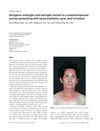 August 2009 in “International Journal of Dermatology”
 A postmenopausal woman's facial redness, acne, and excess hair were caused by too much hormone therapy for insomnia, but improved after stopping the treatment.
February 2009 in “RePub (Erasmus University Rotterdam)” Androgen receptor activity is influenced by hormones, co-factors, modifications, and mutations.
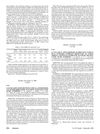 September 2008 in “Fertility and Sterility”
 Free fatty acids may increase androgen production, potentially contributing to polycystic ovary syndrome.
March 2008 in “The Knowledge Bank (The Ohio State University)” SARM-induced changes in the androgen receptor are specific to each ligand and affect stability and protein interactions.
Exercising women with irregular periods have lower thyroid hormone levels and less body fat.
November 2007 in “Data Archiving and Networked Services (DANS)” Androgen receptors play a key role in male development and prostate cancer, with treatments targeting androgen action.
 October 2007 in “Postgraduate obstetrics & gynecology”
 Testosterone therapy can help with androgen deficiency in women but should be used with caution and monitoring due to potential risks.
 October 2007 in “Postgraduate obstetrics & gynecology”
 Testosterone therapy can help postmenopausal women with low sexual desire but needs more safety research and should be used with estrogen therapy.
 April 2006 in “Current Opinion in Endocrinology & Diabetes”
 Testosterone therapy can help improve sexual function, mood, and bone density in women with low androgen levels, but more research is needed on long-term safety.
September 2004 in “Fertility and Sterility” Norplant implants lower some androgen levels but don't significantly change sexual function.
January 2004 in “Elsevier eBooks” Anti-androgen drugs can treat conditions like prostate cancer and male pattern baldness by blocking effects of testosterone and DHT.
Hormones beyond androgens may cause acne and hair loss.
 March 1998 in “Journal of dermatological science”
 Protease Nexin-1 is found in human hair growth cells and is affected by male hormones.
 January 1995 in “Adolescent and pediatric gynecology”
 Mutations in the androgen receptor gene cause different levels of androgen insensitivity, making it hard to create simple tests for the condition.