 October 2021 in “International journal of research in dermatology”
 No link between scalp patterns and alopecia severity in children, but more severe cases often had nail abnormalities.
October 2021 in “European urology open science” 1 citations
,
June 2026 in “Dermato” Ritlecitinib, a selective JAK3 and TEC family kinase inhibitor, has shown promise as a targeted systemic therapy for moderate-to-severe alopecia areata (AA). This narrative review analyzed 14 studies, including real-world observational studies and post hoc analyses, to assess its effectiveness and safety. Results indicate sustained efficacy with progressive improvement in SALT scores over 24 months and meaningful hair regrowth in diverse populations, including severe and pediatric cases. Factors such as lower baseline severity and shorter disease duration were linked to better responses. The safety profile was favorable, with mostly mild adverse events. The findings highlight the importance of early intervention and adequate treatment duration, though further large-scale studies are needed to refine patient selection and response predictors.
 2 citations
,
October 2000
2 citations
,
October 2000 The investigation found no work-related causes for employee hair loss at Equifax Payment Services, and the environment was not hazardous.
4 citations
,
January 1992 in “American Journal of Ophthalmology”  January 2023 in “Ankara Üniversitesi tıp fakültesi mecmuası”
 Most pediatric inpatients needed dermatology consultations for unspecified rashes and drug reactions, with varied treatments.
 December 2004 in “Medicine”
 A thorough history and examination are crucial for diagnosing skin diseases, which affect up to a third of people. This includes details about skin lesions, medication, general health, lifestyle, family, and contacts, as well as examining the rash, hair, nails, and mucous membranes. Changes in hair and nails can also indicate other medical and skin disorders.
July 2026 in “Skin Appendage Disorders” People prefer over-the-counter hair loss treatments despite better evidence for prescriptions, leading to delayed care.
 December 2019 in “Journal of pediatrics & neonatology”
 A 13-year-old boy had a rare, stable type of hair loss with little chance of regrowth, but treatment is available for looks.
37 citations
,
March 2009 in “Hair transplant forum international” PRP treatment helped reverse hair thinning and promoted new hair growth.
TNFα and interleukin-1 blockers reduce skin inflammation from EGFR antibody therapy.
TNFα and interleukin-1 blockers reduce skin inflammation from EGFR antibody therapy.
1 citations
,
April 2023 in “Journal of the European Academy of Dermatology and Venereology”  March 2026 in “Cancer Diagnosis & Prognosis”
 Some side effects of breast cancer chemotherapy, like neuropathy and nail loss, can last long after treatment.
 25 citations
,
November 2022 in “British journal of dermatology/British journal of dermatology, Supplement”
25 citations
,
November 2022 in “British journal of dermatology/British journal of dermatology, Supplement” Baricitinib for severe alopecia areata is generally safe, with common side effects like infections and acne, and low rates of serious complications.
 21 citations
,
January 2005 in “Pediatric Dermatology”
21 citations
,
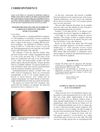
January 2005 in “Pediatric Dermatology” An 8-year-old girl with vitiligo developed extra hair growth on her knee after using tacrolimus ointment.

Improve ventilation and address environmental issues to reduce health complaints.
January 2026 in “Journal of Dermatological Treatment” Oral finasteride may cause more sexual side effects than expected, possibly due to negative publicity and reporting bias.
 2 citations
,
May 2025 in “Frontiers in Pharmacology”
2 citations
,
May 2025 in “Frontiers in Pharmacology” Aromatase inhibitors can cause skin issues, especially with anastrozole and exemestane, so monitoring is important.
 January 2022 in “European Journal of Gynaecological Oncology”
 Topical imiquimod use for treating a cervical lesion might cause delayed hair loss.
 January 2025 in “International Journal of Dermatology Sciences”
 Nail changes in alopecia areata are common and may indicate severity and genetic risk.
June 2026 in “British Journal of Dermatology” A retrospective audit of 25 patients with alopecia areata (AA) at a secondary care dermatology clinic revealed significant psychological distress and impaired quality of life, with 66% experiencing severe disease and 76% having comorbidities. Despite BAD guidelines recommending routine psychological assessment and support, only 16% underwent formal mental health screening, and referrals to psychological services were rare. The study highlights a gap between guidelines and practice, suggesting that the true psychological burden is underestimated due to time and structural constraints in NHS clinics. The authors propose an integrated care model with routine psychological screening, dedicated nursing support, and tailored resources to improve care for AA patients.
January 2026 in “Case Reports in Dermatological Medicine” Intralesional steroids effectively treated a young female's scalp nodules without recurrence.
 May 2024 in “Journal of cosmetic dermatology”
 Topical finasteride/minoxidil is effective but not better than oral finasteride for hair loss.
 1 citations
,
July 1973 in “British Journal of Dermatology”
1 citations
,
July 1973 in “British Journal of Dermatology” The document concludes that secondary syphilis cases are increasing and often misdiagnosed, pityriasis rubra pilaris can be distinguished from psoriasis by skin cell features, and different skin layers produce specific components during skin repair.
 June 2006 in “British Journal of Dermatology”
 The document reports unique growth lines in a child after Stevens-Johnson syndrome, skin reaction from parsnips and sun in a girl, and itchy skin with xanthomas in a boy with Alagille syndrome.
June 2026 in “Journal of Clinical Practice and Medical Case Report.” This case report discusses a 16-year-old girl with trichotillomania, a condition characterized by compulsive hair pulling, which can mimic alopecia areata. The patient presented with frontal scalp alopecia and thinning of eyebrows and eyelashes. Dermoscopic and histopathologic examinations confirmed trichotillomania by revealing specific hair and follicle characteristics. Despite a psychiatric referral, the family declined structured psychiatric management due to sociocultural barriers. The report emphasizes the need for clinicopathologic correlation to differentiate trichotillomania from alopecia areata and highlights the psychosocial challenges in managing adolescent patients with this condition.
1 citations
,
June 2025 in “Journal of Drugs in Dermatology” Better documentation of alopecia areata in Black individuals is needed to improve diagnosis.
During COVID-19, Iraqi women saw more hair loss and skin issues like acne due to stress, masks, and hygiene habits.
 5 citations
,
January 2015 in “Dermatology”
5 citations
,
January 2015 in “Dermatology” The report suggests that the same underlying issue in blood vessel support may cause angiokeratomas on both the scrotum and eyelids.